

Comfort food is supposed to make you feel good. Warm, familiar flavors. Cozy textures. That sense of slowing down at the end of the day. But too often, traditional comfort meals leave you feeling heavy instead of satisfied. The good news is that comfort and balance can exist on the same plate.

Cooking healthy comfort food guilt-free isn’t about cutting joy out of your meals. It’s about learning how to keep the cozy feeling while making choices that support your energy and mood.
Redefine What Comfort Food Means
Comfort food doesn’t have to be loaded with rich sauces or oversized portions to feel satisfying. At its core, comfort food is about warmth, familiarity, and ease.
Think about what truly makes a dish comforting:
- Warm temperatures like soups, stews, and baked meals
- Familiar flavors you grew up with
- Soft textures paired with something slightly crisp
- Simple, home-style presentation
Once you focus on these elements, it becomes easier to adjust recipes without losing their soul.
Start With Better Ingredients, Not Less Food
Healthy comfort cooking works best when you swap ingredients thoughtfully instead of removing them altogether. The goal is fullness and satisfaction, not restriction.
Helpful ingredient upgrades:
- Use Greek yogurt or blended cottage cheese instead of heavy cream
- Choose olive oil over butter for most cooking
- Add beans, lentils, or chickpeas to stretch meals and add protein
- Use whole grains or vegetables as a base when possible

These small changes keep meals hearty while making them easier to enjoy regularly.
Build Flavor the Smart Way
A lot of comfort food relies on extra salt, sugar, or fat to taste good. You can get just as much depth by layering flavor properly.
Simple ways to boost flavor:
- Start dishes with onions, garlic, or shallots
- Toast spices briefly to release their aroma
- Use herbs generously, both dried and fresh
- Add acidity like lemon juice or vinegar at the end
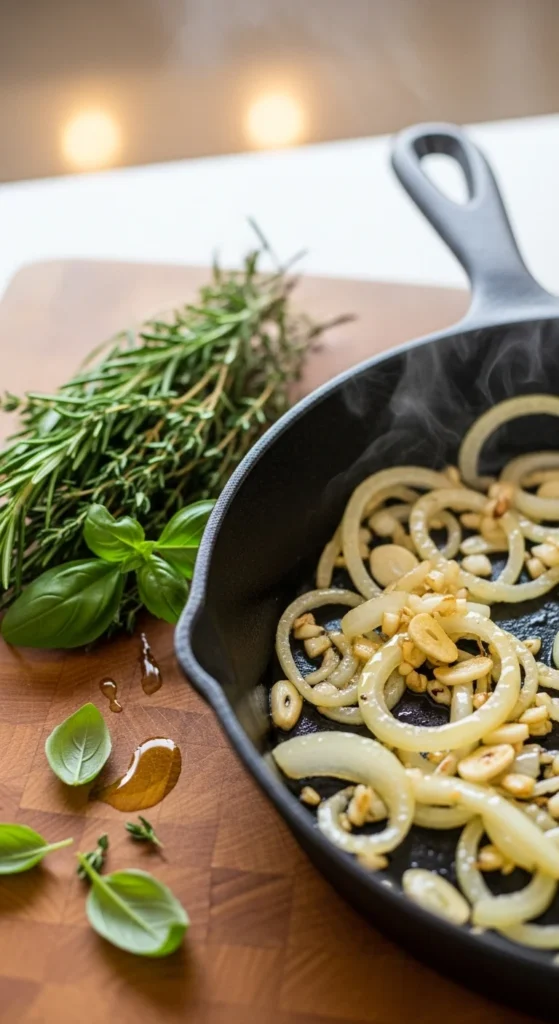
These steps create richness without making the dish feel heavy.
Lighten Classic Comfort Dishes Without Losing Familiarity
You don’t need brand-new recipes. Most classic comfort foods can be adjusted with a few simple tweaks.
Examples:
- Mac and cheese: use less cheese, add roasted vegetables, and stir in yogurt for creaminess
- Mashed potatoes: blend in cauliflower for a lighter texture
- Casseroles: load them with vegetables and use a lighter topping
- Fried favorites: bake or pan-cook with minimal oil instead

These versions still feel familiar, which is what makes comfort food comforting.
Balance Your Plate Without Counting Everything
Healthy comfort food doesn’t require measuring every bite. A simple visual balance goes a long way.
A practical plate guide:
- Half vegetables
- One quarter protein
- One quarter grains or starch
Use bowls or plates that feel cozy rather than oversized. Eating slowly and enjoying the textures helps your body register satisfaction.
Choose Cooking Methods That Feel Relaxed
Comfort food should feel calming to make, not stressful. The easier the process, the more likely you are to cook at home.
Try:
- One-pot or skillet meals
- Sheet-pan dinners
- Slow-cooked or simmered recipes
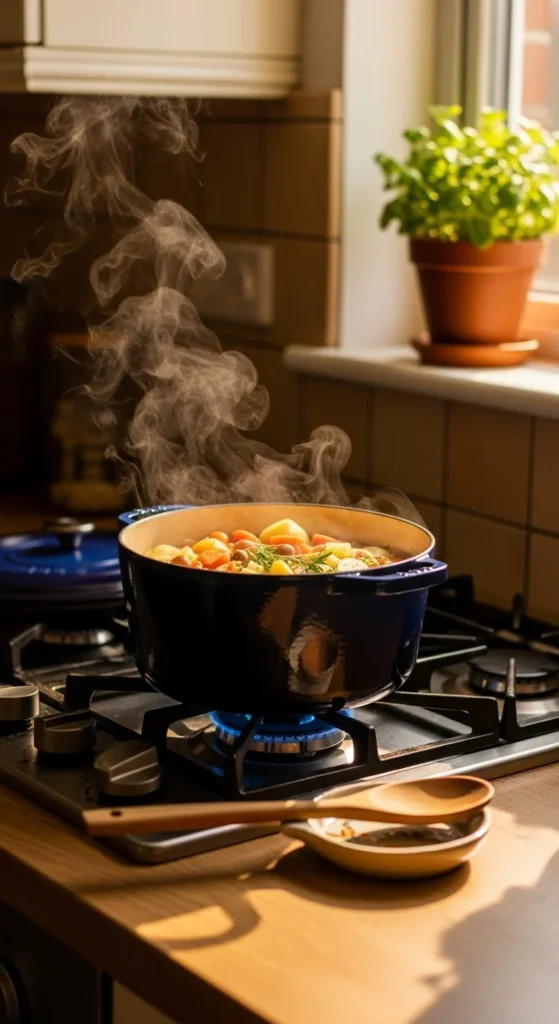
Less cleanup means more time to enjoy the meal itself.
Keep It Personal and Flexible
The most comforting meals are the ones that fit your life. Don’t aim for perfection. Adjust recipes to your taste, schedule, and ingredients on hand.
Ask yourself:
- What flavors make me feel relaxed?
- Which dishes remind me of home?
- How can I make this easier on busy days?
When food feels personal, it naturally becomes more satisfying.
Final Takeaway
Healthy comfort food guilt-free is about balance, not rules. By choosing better ingredients, building flavor thoughtfully, and keeping meals simple, you can enjoy cozy dishes that truly make you feel good.
Save this article for later, try one small swap this week, and rediscover comfort food that supports both your body and your mood.

Leave a Reply