

Oven-baked recipes are some of the easiest and most rewarding meals to make at home—when they’re done right. From roasted vegetables to baked casseroles and sheet-pan dinners, oven cooking offers rich flavor, hands-off convenience, and consistent results. The key is understanding a few simple techniques that help everything cook evenly and come out just the way you want.
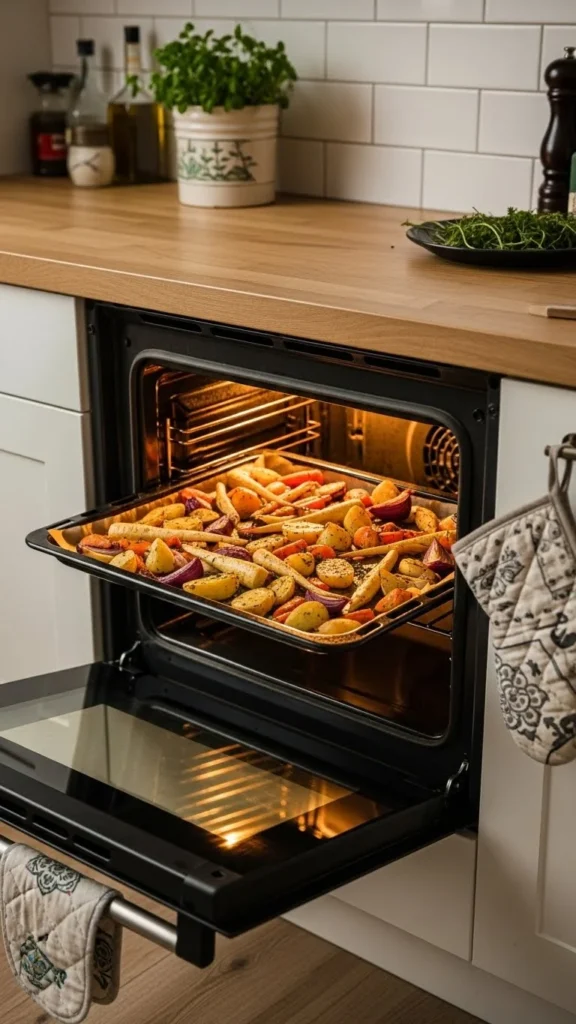
If your baked dishes sometimes turn out uneven, dry, or undercooked, this guide will help you master oven-baked recipes with confidence.
Start With Proper Oven Preheating
Preheating your oven is one of the most important—and often skipped—steps in baking and roasting. A fully heated oven ensures food cooks evenly from the start.
Why preheating matters:
- Prevents soggy textures
- Helps food brown properly
- Ensures accurate cooking times
Tip: Give your oven at least 10–15 minutes to preheat, even if it says it’s ready sooner.
Choose the Right Bakeware
The pan you use affects how heat travels through your food. Using the correct bakeware makes a big difference in texture and doneness.
Common bakeware options:
- Sheet pans for roasting and quick meals
- Glass or ceramic dishes for casseroles
- Metal pans for crisp edges
- Cast iron for even heat retention
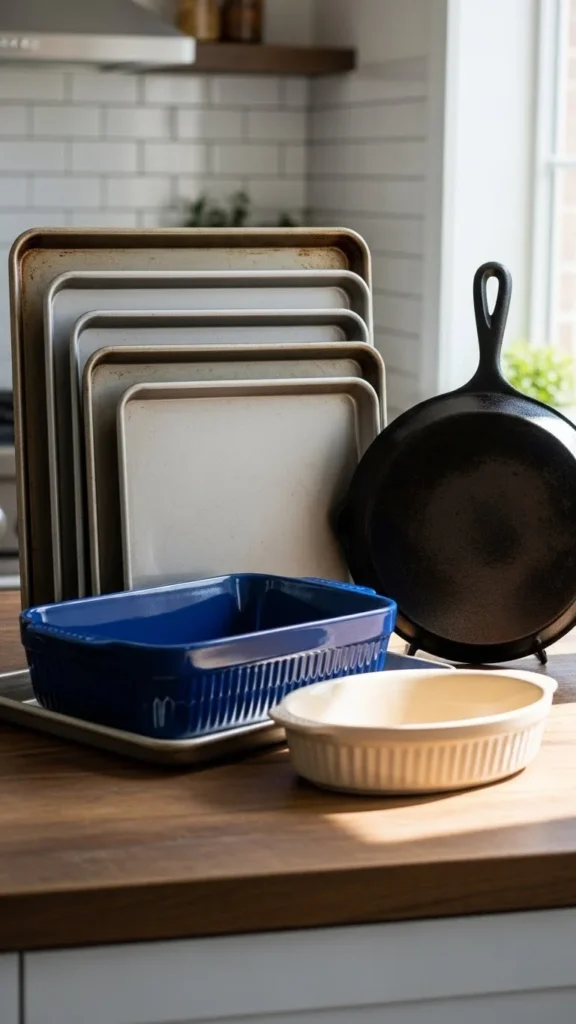
Avoid overcrowding pans, as this traps steam and prevents browning.
Prepare Ingredients for Even Cooking
How you cut and arrange ingredients directly affects how they bake.
Preparation tips:
- Cut ingredients into similar sizes
- Pat proteins dry before baking
- Toss vegetables evenly with oil
- Spread food in a single layer
These small steps help everything cook at the same pace and develop better texture.
Use the Right Temperature for the Dish
Not all oven-baked recipes should be cooked at the same temperature. Choosing the correct heat level is essential.
General temperature guidelines:
- 375°F (190°C): casseroles and baked pasta
- 400°F (205°C): vegetables and sheet-pan meals
- 425°F (220°C): crisp roasting and browning
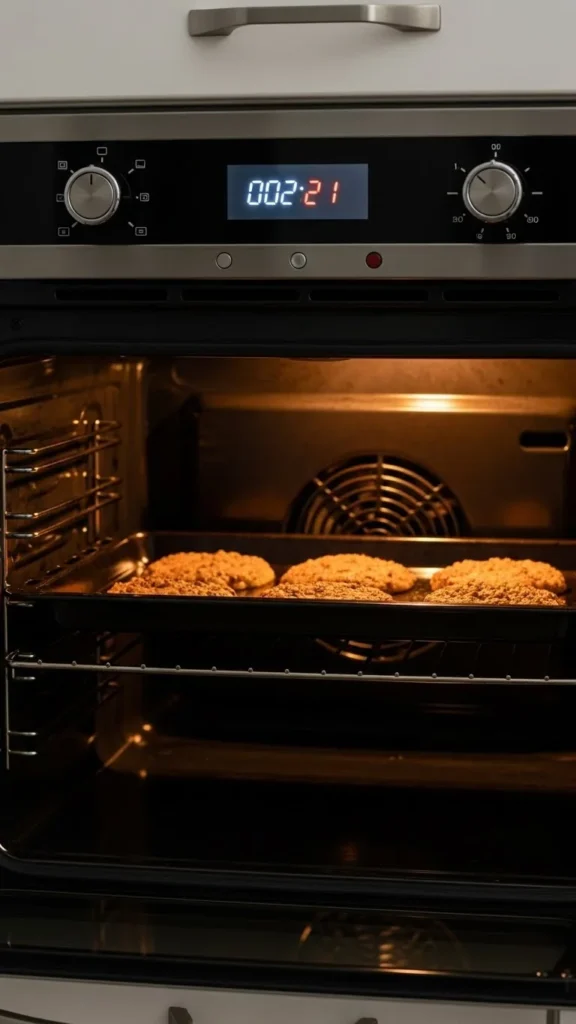
Higher heat creates crisp edges, while moderate heat cooks gently and evenly.
Don’t Skip Oil, Butter, or Fat
Fat plays a crucial role in oven cooking. It helps with browning, flavor, and moisture.
Best fats for baking:
- Olive oil
- Butter
- Avocado oil
- Cooking spray (light use)
Even a small amount prevents sticking and improves texture. Toss ingredients evenly so nothing dries out.
Know When to Cover and When to Leave Uncovered
Covering dishes traps moisture, while uncovered cooking promotes browning.
When to cover:
- Casseroles that need gentle cooking
- Dishes that dry out easily
- Early stages of baking
When to uncover:
- For crispy tops
- During the final 10–15 minutes
- When roasting vegetables
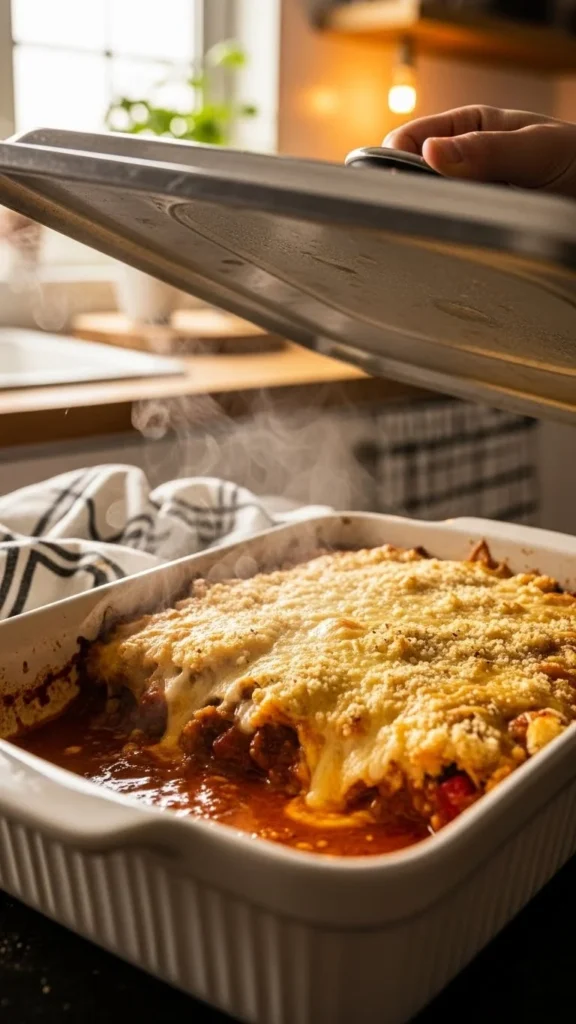
This simple adjustment can transform the final result.
Use the Middle Rack for Best Results
The oven rack position affects how heat reaches your food.
Best rack placement:
- Middle rack for even cooking
- Upper rack for browning tops
- Lower rack for crisp bottoms
Most oven-baked recipes perform best on the middle rack unless stated otherwise.
Rotate and Check for Even Baking
Ovens don’t always heat evenly. Rotating pans ensures consistent results.
Helpful habits:
- Rotate pans halfway through baking
- Swap racks if using multiple trays
- Check doneness a few minutes early
This prevents burnt edges or undercooked centers.
Test for Doneness Properly
Visual cues and touch are more reliable than time alone.
Signs food is done:
- Golden color on top
- Bubbling edges for casseroles
- Tender vegetables when pierced
- Internal temperature for meats
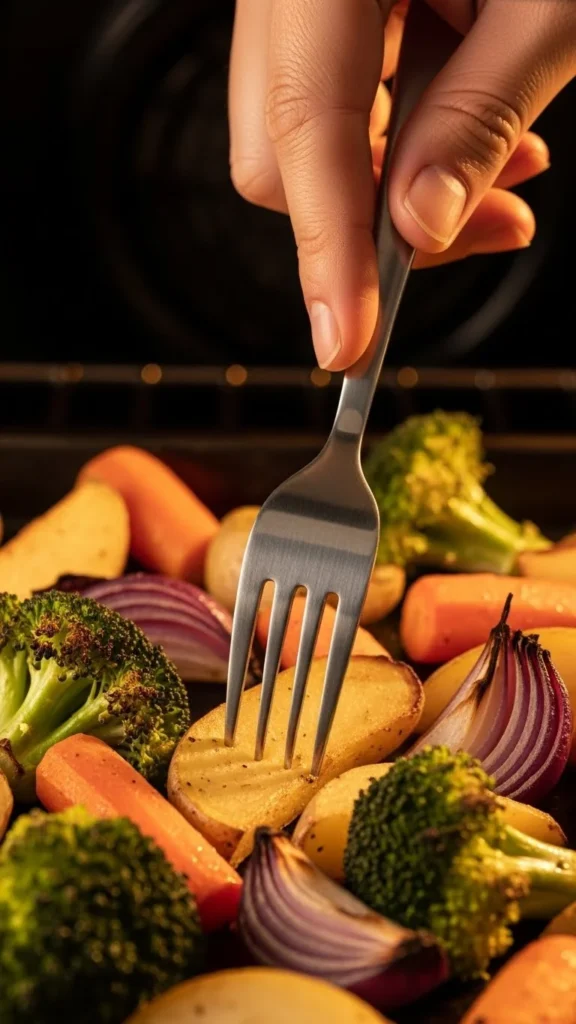
If unsure, give it a few more minutes rather than increasing heat.
Let Oven-Baked Dishes Rest Before Serving
Resting allows flavors to settle and textures to firm up.
Why resting matters:
- Prevents dishes from falling apart
- Improves flavor distribution
- Makes slicing easier
Let most baked dishes rest for 5–10 minutes before serving.
Keep Cleanup Easy for Stress-Free Cooking
Oven-baked cooking is even better when cleanup is simple.
Cleanup tips:
- Line trays with parchment or foil
- Lightly grease bakeware
- Soak pans while warm
These steps make oven cooking more enjoyable from start to finish.
Final Takeaway
Cooking oven-baked recipes perfectly comes down to preparation, temperature control, and a few thoughtful techniques. With the right bakeware, proper preheating, and smart timing, you can create evenly cooked, flavorful dishes every time.
Save this guide for later and enjoy oven-baked meals that turn out just right—crispy, comforting, and perfectly cooked, straight from your oven. 🍽️🔥

Leave a Reply