

Homemade curry might sound intimidating, but it’s actually one of the easiest, most forgiving meals you can make at home. Curries are flexible, budget-friendly, and packed with flavor—and once you understand the basic formula, you can create delicious curry dishes with whatever ingredients you have on hand.
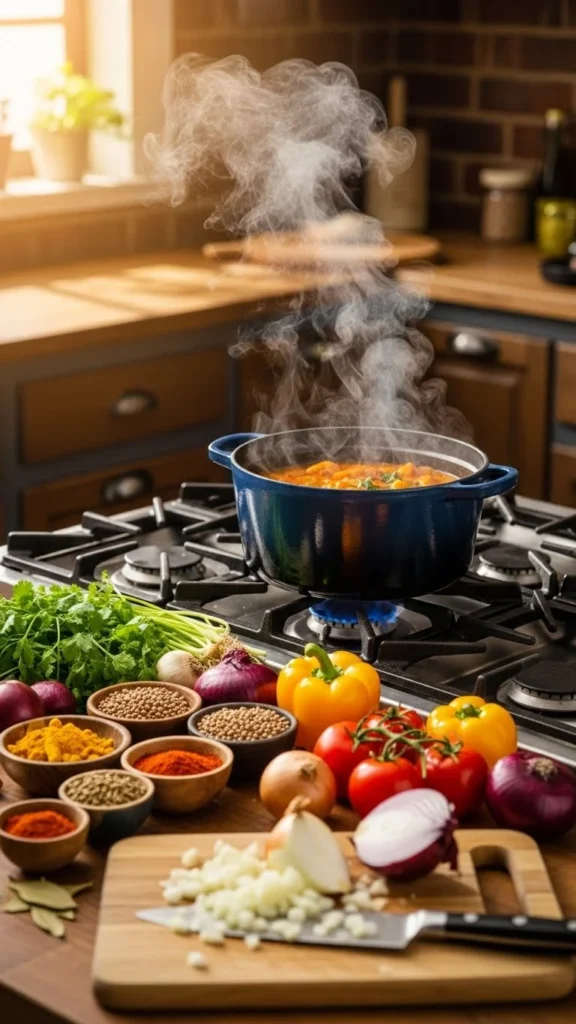
Whether you’re new to cooking or just short on time, this guide will show you how to cook homemade curry recipes easily and confidently.
Understand the Simple Curry Formula
At its core, curry follows a very simple structure. Once you learn it, you can mix and match ingredients without stress.
Basic curry formula:
- Aromatics (onion, garlic, ginger)
- Spices or curry paste
- Protein or vegetables
- Liquid (tomatoes, coconut milk, broth)
- Simmer and season
You don’t need special tools or advanced skills—just one pot and a little patience.
Start with Aromatics for Big Flavor
Almost every great curry begins with aromatics. This step builds the flavor base and makes the entire dish taste rich and balanced.
Common aromatics:
- Onion
- Garlic
- Fresh ginger
- Green chilies (optional)
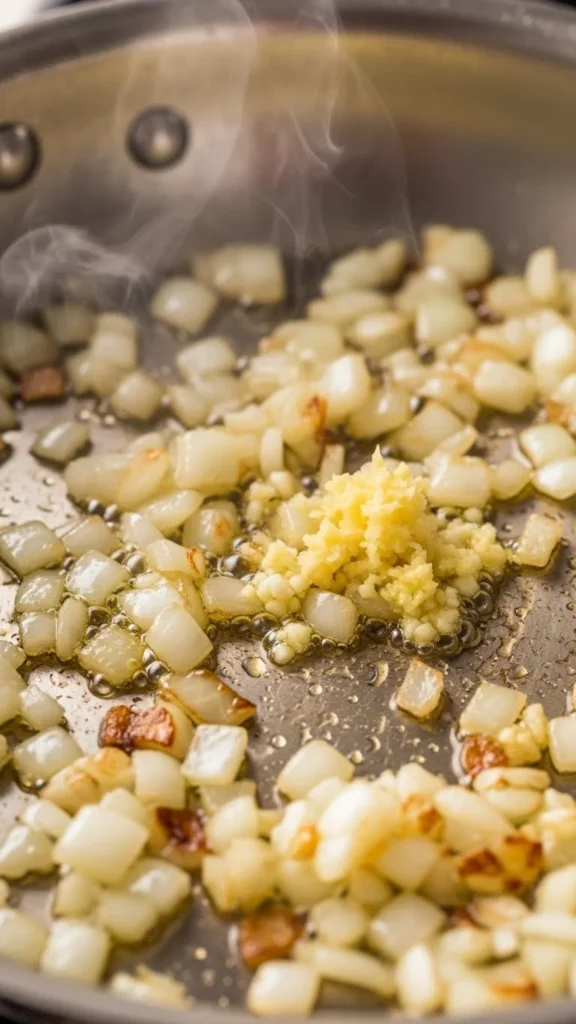
Cook aromatics slowly until soft and fragrant. Rushing this step can lead to flat-tasting curry.
Choose Curry Paste or Simple Spices
Using curry paste is the fastest way to make homemade curry taste authentic with minimal effort.
Easy curry options:
- Store-bought curry paste (red, yellow, green)
- Curry powder
- Garam masala
- Turmeric, cumin, and coriander
If using paste:
- Start with 1–2 tablespoons
- Cook it briefly in oil to release flavor
This step transforms simple ingredients into a bold, comforting meal.
Add Protein or Vegetables You Already Have
Curries are incredibly flexible, making them perfect for easy home cooking.
Protein options:
- Chicken
- Shrimp
- Tofu
- Chickpeas or lentils
Vegetable options:
- Potatoes or sweet potatoes
- Cauliflower
- Spinach or kale
- Bell peppers
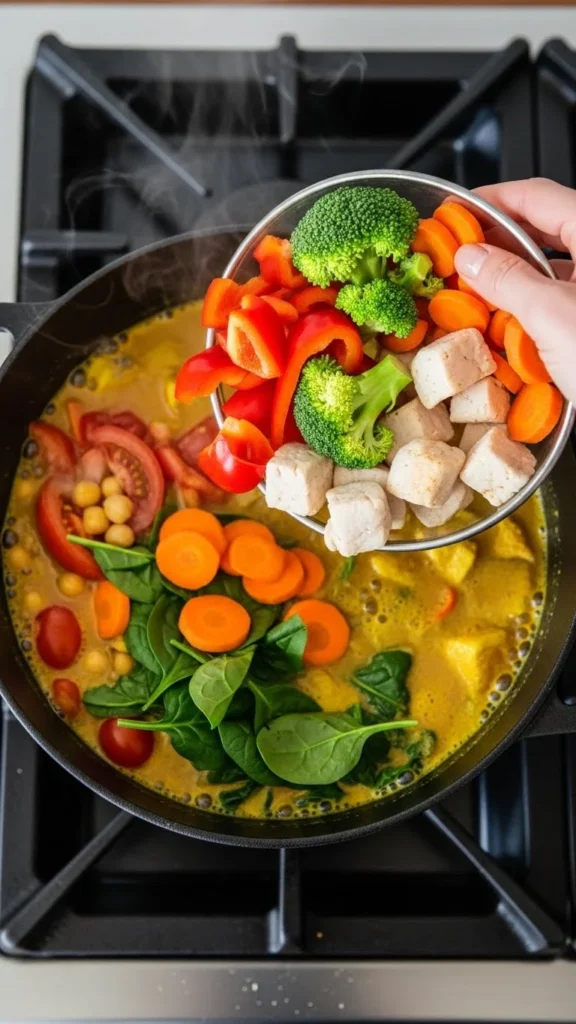
Cut ingredients into similar sizes so everything cooks evenly.
Use Simple Liquids to Create the Sauce
The sauce is what makes curry comforting and satisfying. You don’t need anything fancy.
Common curry liquids:
- Canned tomatoes
- Coconut milk
- Vegetable or chicken broth
- Yogurt (for some styles)
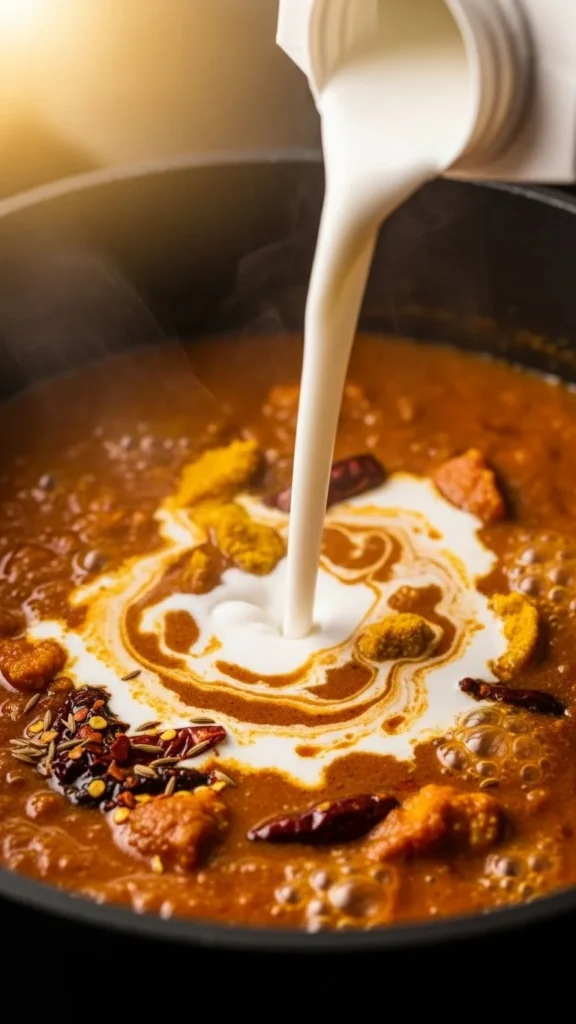
Coconut milk creates a mild, creamy curry, while tomatoes give a tangy, hearty base.
Let the Curry Simmer Gently
Once everything is in the pot, let the curry simmer. This is where flavors come together.
Simmering tips:
- Keep heat low to medium
- Stir occasionally
- Cover partially to control thickness
- Simmer 15–30 minutes depending on ingredients
Curries are forgiving—longer simmering usually means deeper flavor.
Adjust Flavor at the End
One of the best things about curry is how easy it is to adjust.
Simple finishing touches:
- Salt to taste
- A squeeze of lemon or lime
- A pinch of sugar if needed
- Fresh herbs like cilantro
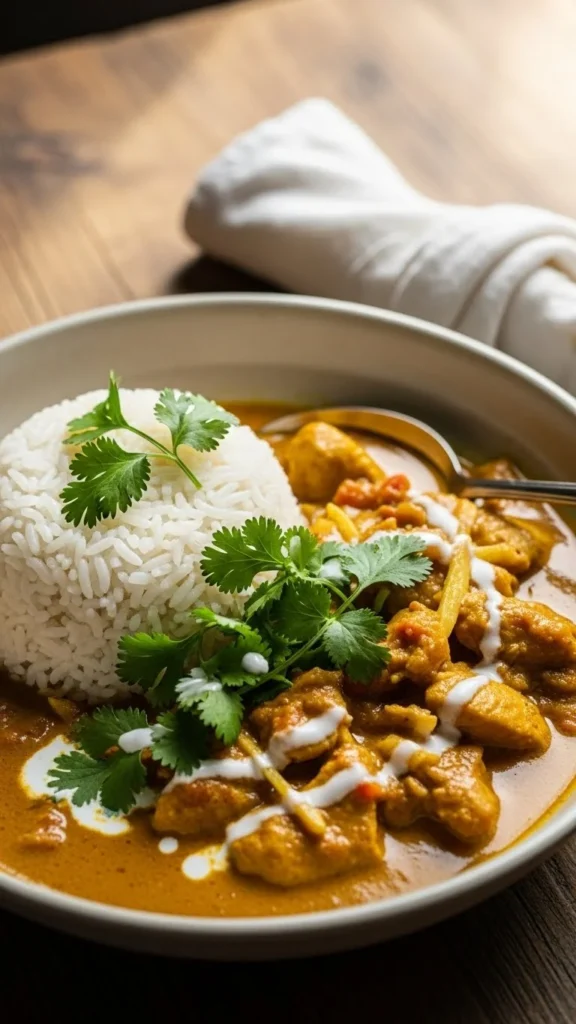
Taste before serving and make small adjustments until it feels balanced.
Serve Curry the Easy Way
Curries don’t need elaborate sides to shine.
Easy serving ideas:
- Steamed rice
- Flatbread or naan
- Simple cucumber or yogurt side
Leftovers often taste even better the next day, making curry perfect for meal prep.
Keep It Easy with One-Pot Cooking
For truly stress-free curry nights:
- Use one pot
- Prep ingredients before you start
- Clean as you cook
Curries are ideal for busy schedules because they require minimal attention once simmering.
Final Takeaway
Cooking homemade curry recipes easily comes down to understanding a simple formula and trusting the process. With basic aromatics, a good curry paste or spice blend, and everyday ingredients, you can create comforting, flavorful curries without stress.
Save this guide for later and enjoy homemade curry nights that are easy, cozy, and full of flavor—no takeout required. 🍛✨

Leave a Reply