

Dry baked chicken is one of the most common kitchen frustrations. You follow a recipe, set the timer, and still end up with meat that feels tough or bland. The good news? Juicy baked chicken isn’t about complicated tricks—it’s about a few smart habits that make a big difference every time.
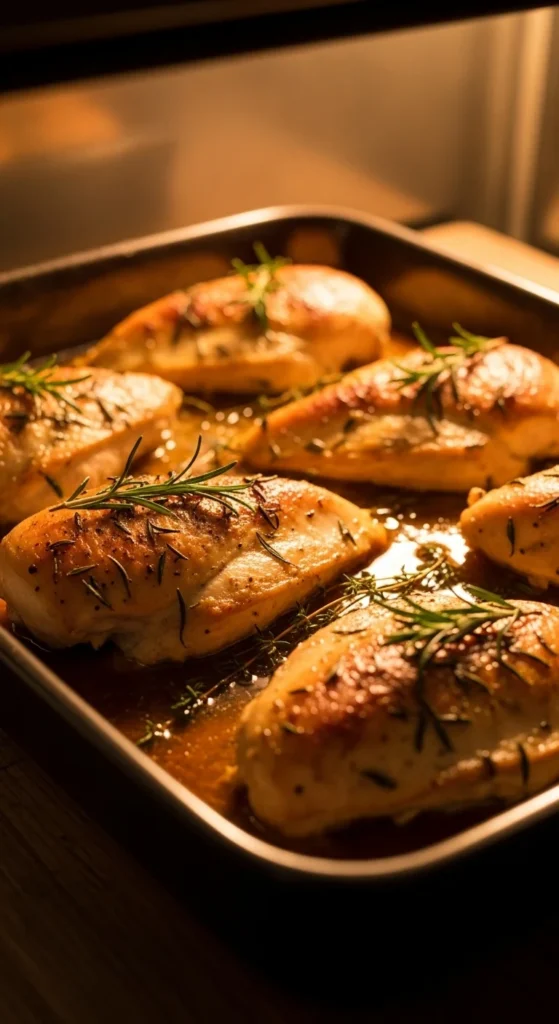
Start With the Right Cut of Chicken
Not all chicken behaves the same in the oven. Choosing the right cut sets you up for success before cooking even begins.
Here’s how different cuts compare:
- Chicken breasts: Lean and quick-cooking, but easier to overbake
- Chicken thighs: Naturally juicier due to higher fat content
- Bone-in pieces: Hold moisture better during longer bake times
If you’re new to baking chicken, thighs or bone-in cuts are more forgiving. Breasts can still be juicy—you just need a little extra care.
Don’t Skip the Moisture Step
One of the biggest reasons baked chicken turns dry is lack of moisture before it even hits the oven.
Easy ways to lock in moisture:
- Brush chicken with olive oil or melted butter
- Marinate for 30 minutes to a few hours
- Use a simple seasoning paste with oil and spices
This outer layer slows moisture loss and helps flavor absorb more evenly.
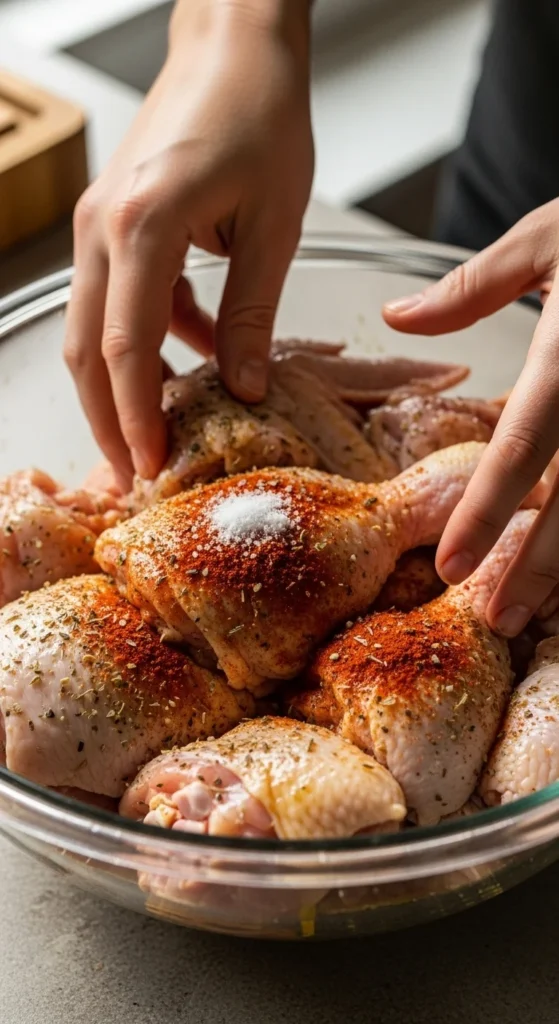
Season Well—but Keep It Simple
You don’t need a long list of spices to make juicy baked chicken taste good. Simple seasoning allows the chicken to shine.
A reliable seasoning base:
- Salt
- Black pepper
- Garlic powder or fresh garlic
- Paprika or dried herbs
Salt is especially important. It helps the chicken hold onto moisture while baking and improves texture.
Use the Right Oven Temperature
Temperature plays a major role in keeping chicken juicy. Baking too low can dry it out slowly, while too high can overcook the outside before the inside finishes.
A dependable range:
- 400°F / 205°C for boneless chicken
- 375°F / 190°C for bone-in pieces
This balance allows the chicken to cook through while sealing in juices.
Avoid Overbaking at All Costs
Overbaking is the fastest way to dry chicken. Time matters just as much as temperature.
General baking times:
- Boneless chicken breasts: 18–22 minutes
- Boneless thighs: 25–30 minutes
- Bone-in pieces: 35–45 minutes
Thickness matters more than size. If possible, use a meat thermometer:
- Chicken is done at 165°F / 74°C
Pulling it out right on time makes all the difference.
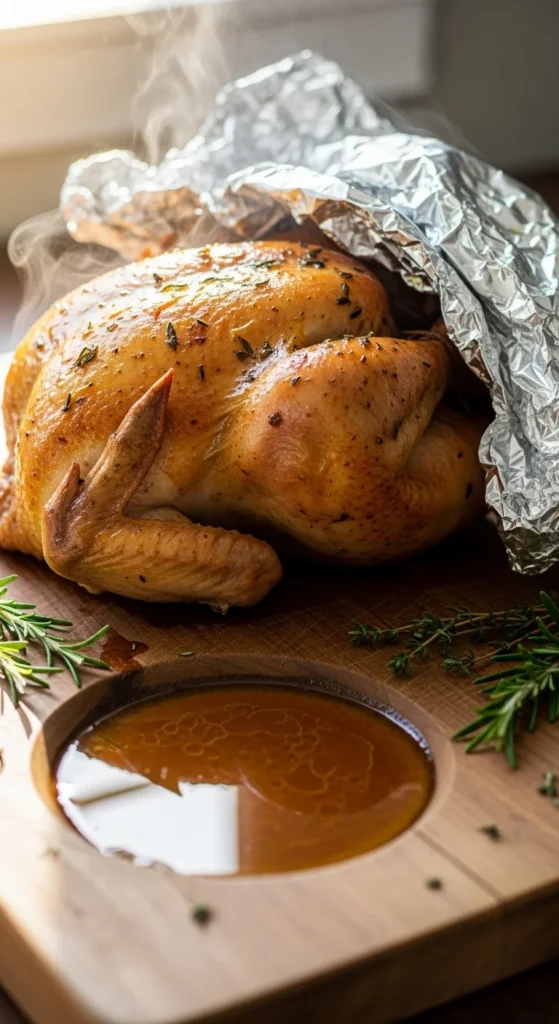
Cover, Then Uncover for Best Results
A simple trick for juicy baked chicken is using foil strategically.
Try this method:
- Bake chicken covered for the first half of cooking
- Remove foil for the final 5–10 minutes
Covering traps steam and moisture. Uncovering at the end allows light browning without drying the meat.
Let the Chicken Rest After Baking
This step is often skipped, but it’s essential. Cutting into chicken right away causes juices to run out onto the pan instead of staying in the meat.
Resting tips:
- Let baked chicken rest 5–10 minutes
- Keep it loosely covered with foil
- Slice after resting, not before
Those few minutes help redistribute juices throughout the chicken.
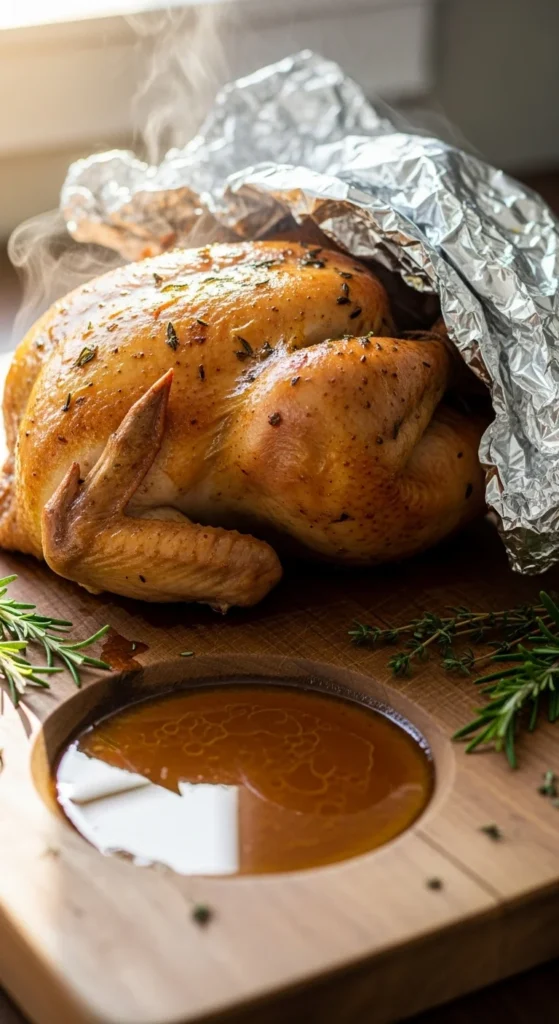
Add Moisture After Baking (Yes, It Helps)
Even well-baked chicken benefits from a finishing touch.
Simple ideas:
- Spoon pan juices over the chicken
- Add a quick sauce or drizzle
- Finish with lemon juice or olive oil
These small additions refresh the surface and boost flavor without extra cooking.
Common Mistakes to Avoid
If baked chicken keeps turning dry, check for these habits:
- Baking straight from the fridge instead of letting chicken sit out briefly
- Using too little oil or seasoning
- Baking too long “just to be safe”
- Skipping the resting step
Fixing just one of these can noticeably improve results.
Juicy Baked Chicken Can Be Repeatable
The best part about learning how to bake chicken properly is consistency. Once you understand timing, temperature, and moisture, juicy results become routine—not luck.
You can use the same method for:
- Simple weeknight dinners
- Meal prep for the week
- Shredded chicken for salads and wraps
Final Takeaway
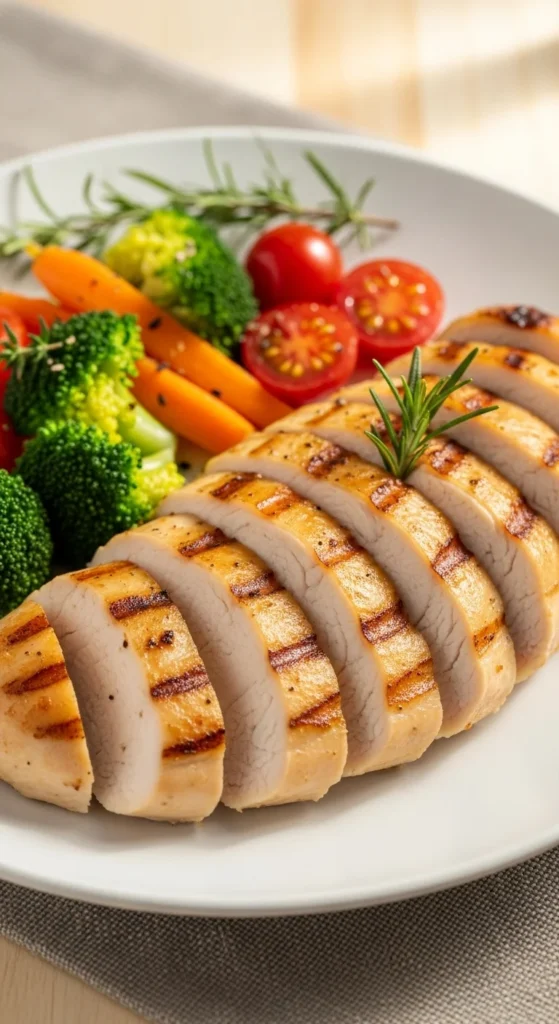
Juicy baked chicken doesn’t require special tools or complicated recipes. With the right cut, proper seasoning, correct temperature, and a little patience, you can bake chicken that stays tender every time.
Save this guide for later, and use it the next time chicken is on the menu—you’ll notice the difference from the very first bite 🍗✨

Leave a Reply