

How to Bake Fluffy Scones with Golden Tops
There’s something instantly comforting about pulling a tray of warm, fluffy scones out of the oven. The tops are golden, the edges just crisp, and the inside soft enough to pull apart with your fingers. 🧈 Whether you’re planning a cozy breakfast, afternoon tea, or weekend treat, scones feel special—but they don’t have to be complicated.
The secret to bakery-style scones isn’t fancy equipment or rare ingredients. It’s all about cold butter, gentle handling, and a few simple techniques that make a huge difference.
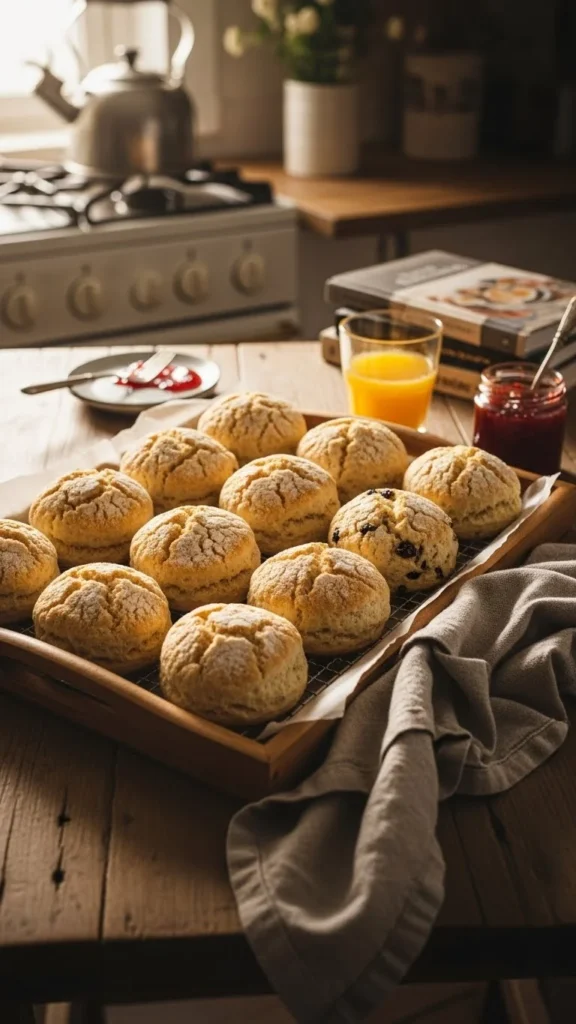
What Makes Scones Fluffy (Not Dry)?
If your scones have ever turned out dense or crumbly, you’re not alone. Fluffy scones rely on three key things:
- Cold fat to create steam and lift
- Minimal mixing to keep the dough tender
- High oven heat for a strong rise
Get these right, and your scones will rise tall with soft, layered interiors.
Ingredients You’ll Need (And Why They Matter)
Scones use basic pantry ingredients, but quality and temperature matter.
Core ingredients
- All-purpose flour
- Baking powder (fresh!)
- Sugar (white or light brown)
- Salt
- Cold butter
- Milk, cream, or buttermilk
- Egg (optional, but adds richness)
Optional add-ins:
- Blueberries
- Chocolate chips
- Dried fruit
- Lemon zest
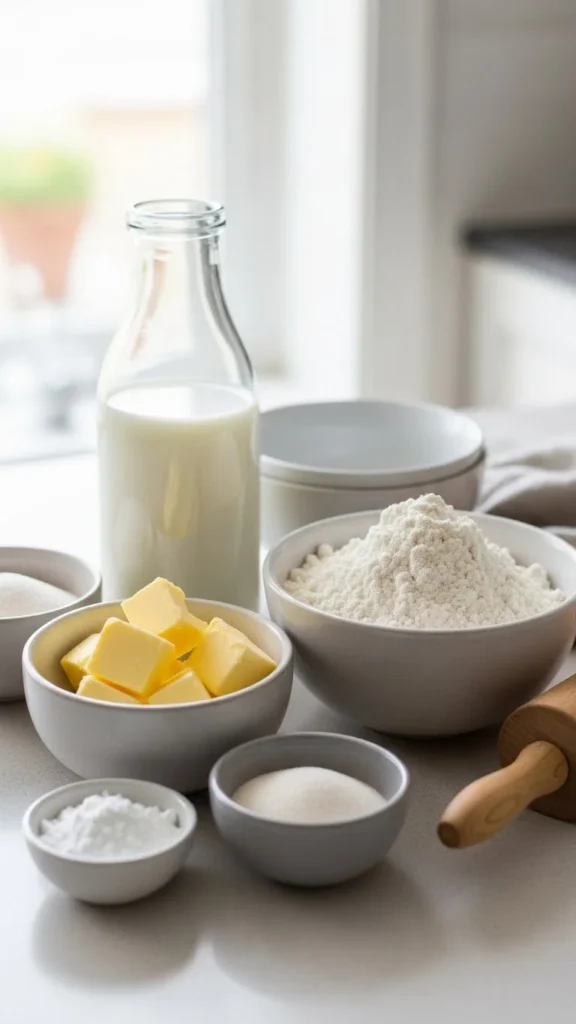
👉 Tip: If your kitchen is warm, chill your butter and liquids before starting.
Keep the Butter Cold (This Is Non-Negotiable)
Cold butter is what creates fluffy layers.
When butter melts in the oven, it releases steam, which pushes the dough upward. Warm butter blends in too smoothly and kills that lift.
Best ways to handle butter
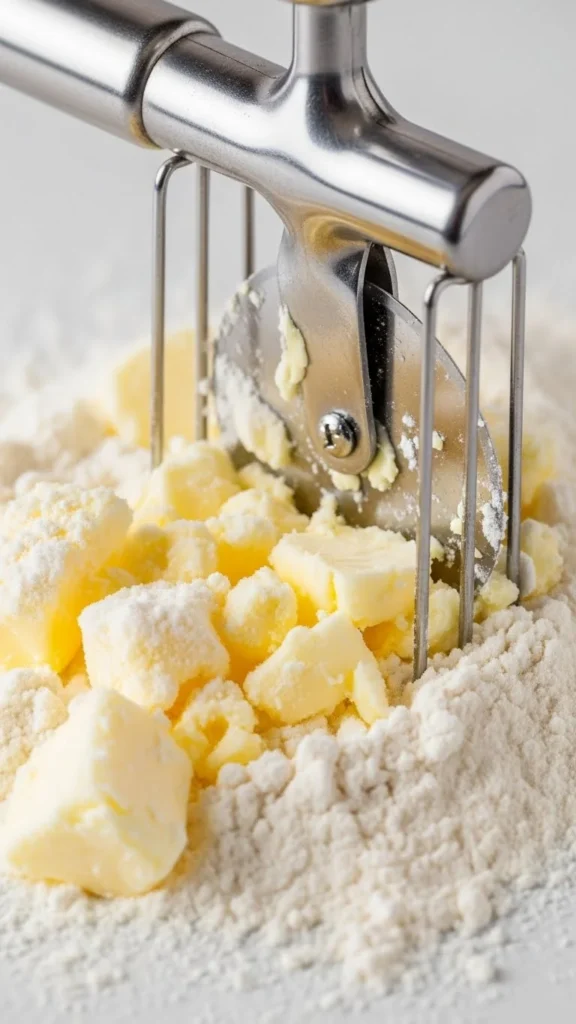
- Cut it into small cubes
- Grate it straight from the fridge
- Work quickly
Stop mixing once the butter pieces are pea-sized.
Mixing the Dough the Right Way
This step makes or breaks scones.
How to mix gently
- Combine dry ingredients first
- Cut in butter just until crumbly
- Add liquid slowly
- Mix until just combined
The dough should look shaggy and slightly rough—not smooth.
Overmixing = tough scones.
Shaping Without Overworking
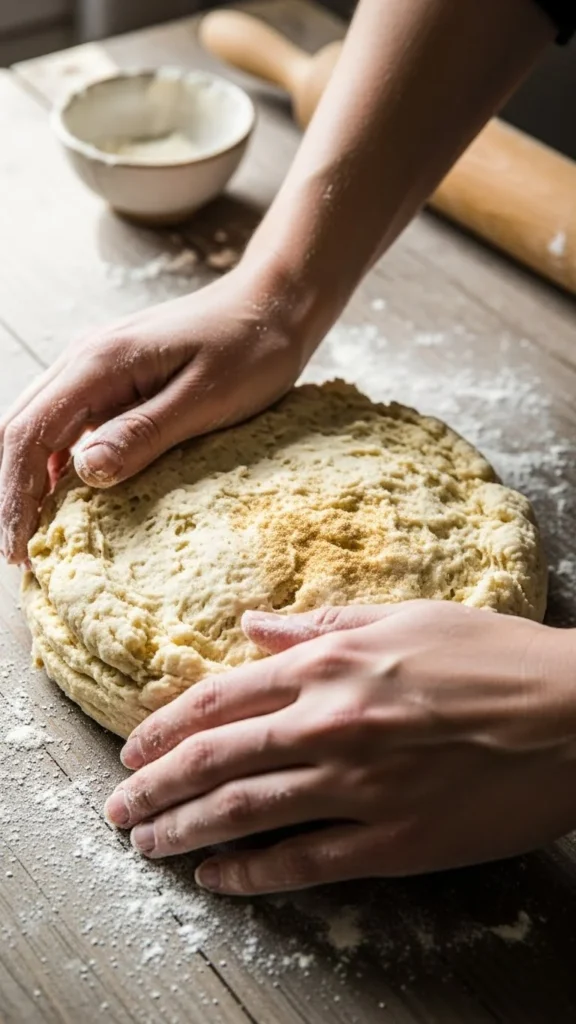
Turn the dough onto a lightly floured surface.
Instead of kneading:
- Gently press it together
- Pat into a thick circle (about 1 inch thick)
- Cut into wedges or rounds
Handle the dough as little as possible.
The Secret to Golden Scone Tops
That glossy, golden finish? It’s easier than you think.
Before baking
- Brush tops with heavy cream or milk
- For extra shine, use an egg wash
- Sprinkle lightly with sugar (optional)
This helps scones brown beautifully without drying out.
Bake Hot and Don’t Peek
Scones love a hot oven.
Baking basics
- Preheat oven to 400–425°F (205–220°C)
- Bake until tops are golden
- Avoid opening the oven early
Scones usually bake in 15–20 minutes, depending on size.
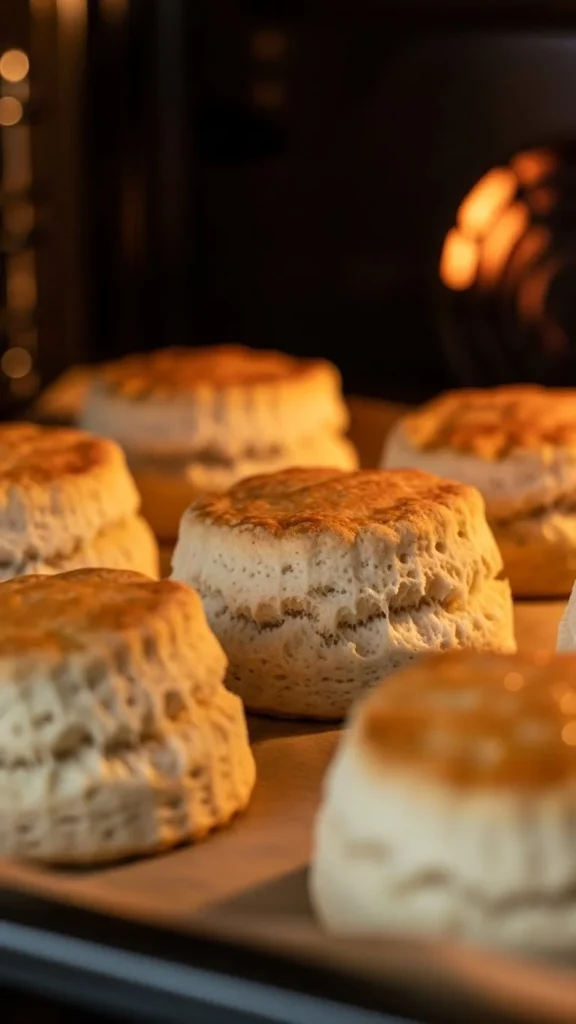
How to Tell When Scones Are Done
Perfect scones should:
- Feel light when lifted
- Sound hollow when tapped underneath
- Be golden on top, pale on the sides
Let them cool slightly before serving. The inside finishes setting as they rest.
Serving Ideas That Feel Bakery-Worthy
Scones are incredibly versatile.
Serve with:
- Butter and jam
- Clotted cream
- Honey or lemon curd
- Fresh berries
They’re best enjoyed warm, the day they’re baked.

Storage & Make-Ahead Tips
- Store baked scones in an airtight container for 1–2 days
- Freeze unbaked scones and bake straight from frozen
- Reheat gently in the oven for best texture
Avoid microwaving—it softens the crust too much.
Final Takeaway
Fluffy scones with golden tops aren’t about luck—they’re about cold butter, gentle hands, and a hot oven. Once you master these basics, you can customize your scones endlessly and still get perfect results every time.
🫖 Save this recipe for later, and pin it so you’re always ready for a cozy baking moment.

Leave a Reply