

How to Bake a Bundt Cake That Comes Out Perfect
There’s nothing quite like the drama of a Bundt cake. The beautiful curves, the golden crust, the moment you flip the pan and hope it releases cleanly—it’s part baking, part suspense. When done right, a Bundt cake is moist, evenly baked, and stunning without extra decoration.
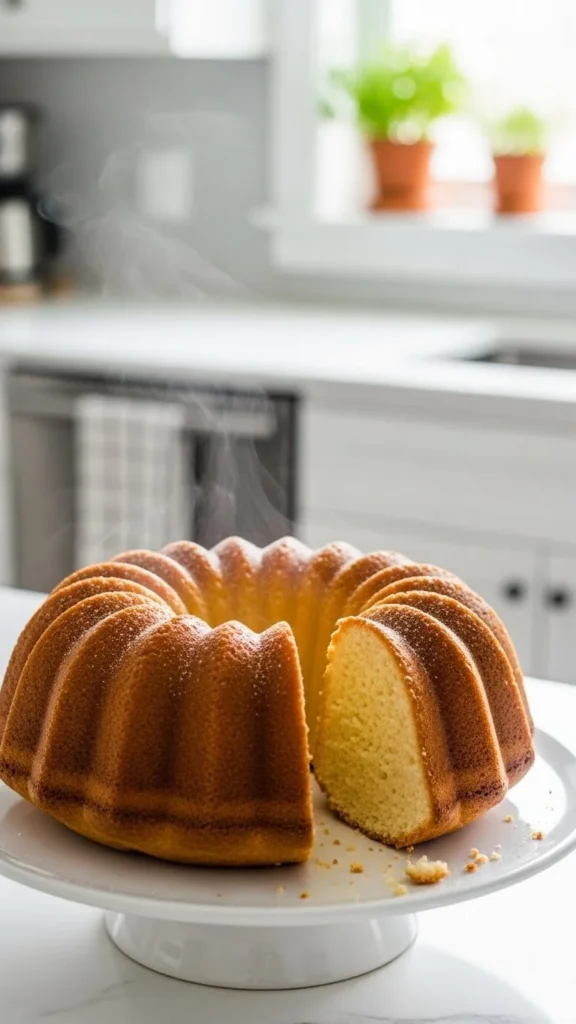
If you’ve ever had a cake stick, crack, or bake unevenly, you’re not alone. Bundt cakes can be tricky, but with the right steps, you can get perfect results every time.
Why Bundt Cakes Can Be Tricky
Bundt pans are deeper and more detailed than regular cake pans. That means batter has to travel farther to bake through, and every curve needs proper greasing.
Common problems include:
- Cake sticking to the pan
- Undercooked centers
- Dry edges with a moist middle
- Cracks or uneven rising
The good news? These issues are easy to avoid once you know what to watch for.
Choosing the Right Bundt Pan
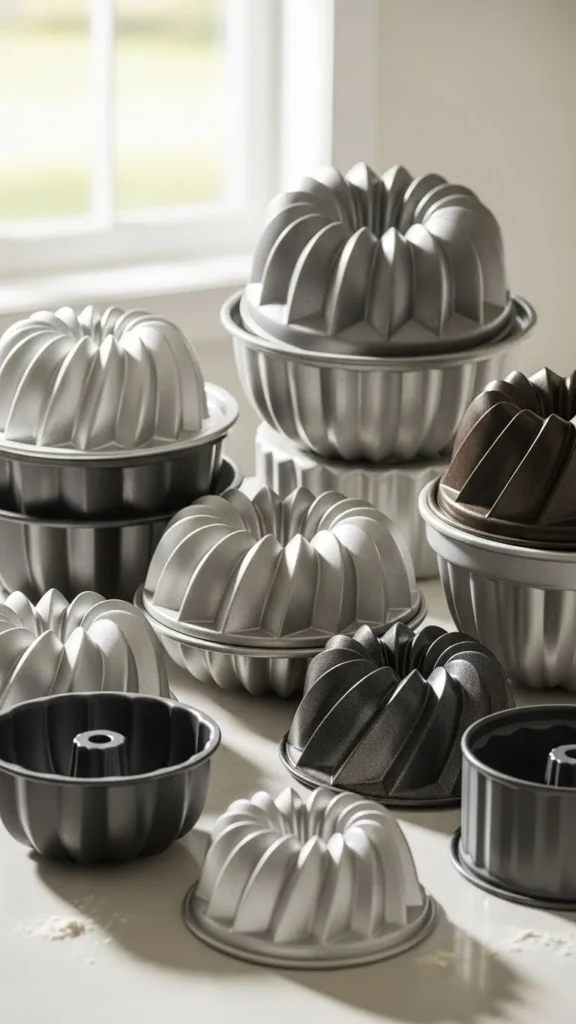
Not all Bundt pans are created equal.
Look for:
- Heavy-duty metal (not thin aluminum)
- Defined grooves (but not overly intricate for beginners)
- A light or medium interior color for even baking
Darker pans bake faster and can cause over-browning. If you use one, lower the oven temperature slightly and check early.
Greasing the Pan the Right Way
This step matters more than any other.
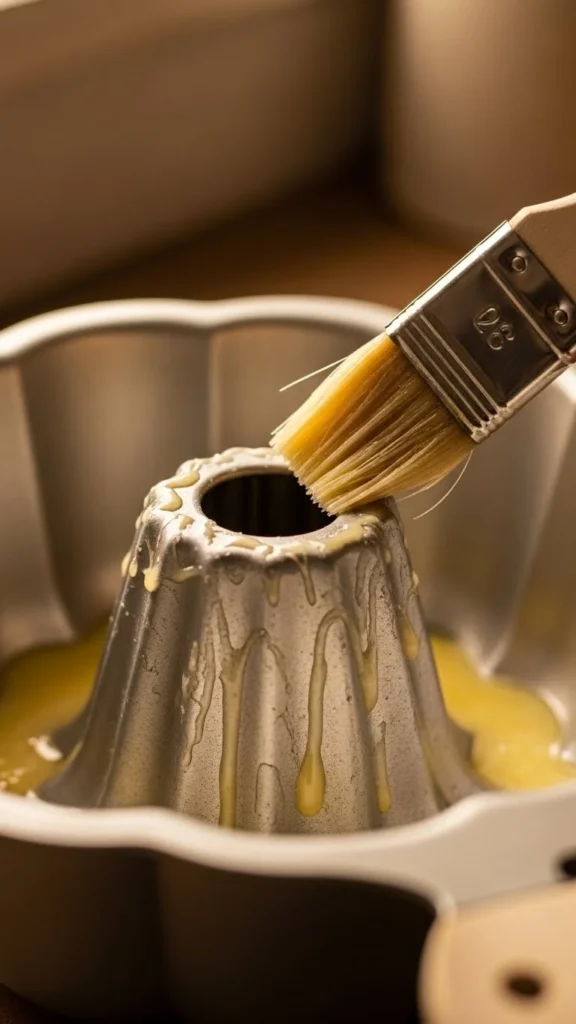
The goal is full coverage, especially in corners.
Best methods:
- Soft butter + flour
- Baking spray with flour
- Homemade cake release (equal parts oil, flour, shortening)
Tips:
- Use a pastry brush, not paper towels
- Get into every groove
- Grease just before adding batter
Skipping spots is the fastest way to a stuck cake.
Picking the Best Cake Batter for Bundt Pans
Not all cake recipes work well in a Bundt pan.
Ideal batters are:
- Thick but pourable
- Moist and sturdy
- Not overly light or airy
Great choices include:
- Pound cake
- Sour cream cake
- Yogurt-based cakes
- Oil-based cakes
Avoid very delicate sponge cakes. They don’t hold their shape as well in deep pans.
Filling the Pan Properly
Overfilling is a common mistake.
Fill the pan:
- About ⅔ to ¾ full
- Evenly spread batter around the pan
- Tap gently on the counter to release air bubbles
Too much batter leads to overflow and uneven baking.
Baking for Even Results
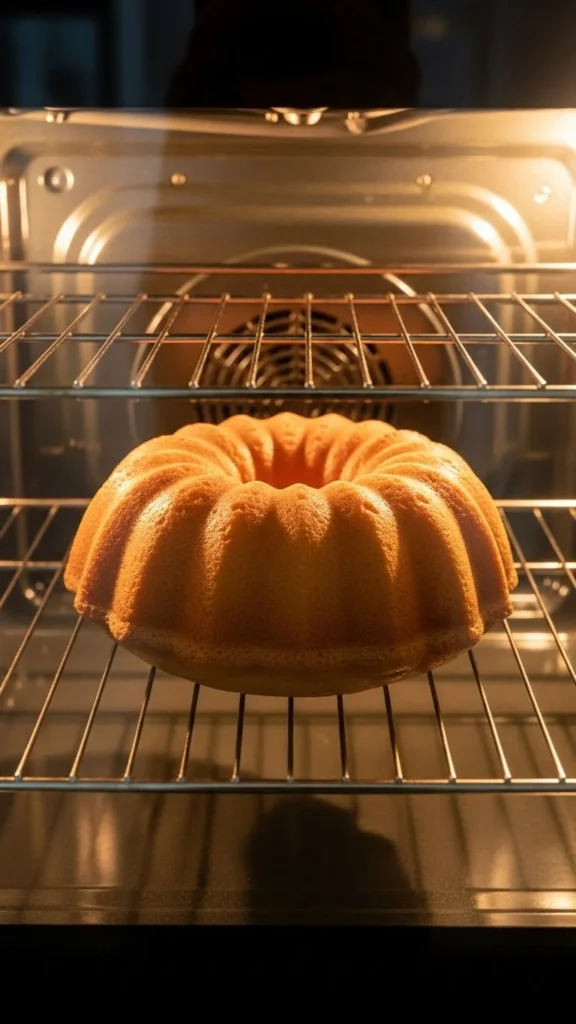
Bundt cakes need steady heat.
Baking tips:
- Preheat the oven fully
- Place the pan on the center rack
- Avoid opening the oven early
Most Bundt cakes bake between 45–60 minutes.
Check doneness by:
- Inserting a skewer or toothpick
- Looking for a slight pull from the pan edges
- Gently pressing the top—it should spring back
If the top browns too quickly, loosely tent with foil.
Cooling Before Unmolding (Don’t Rush This)
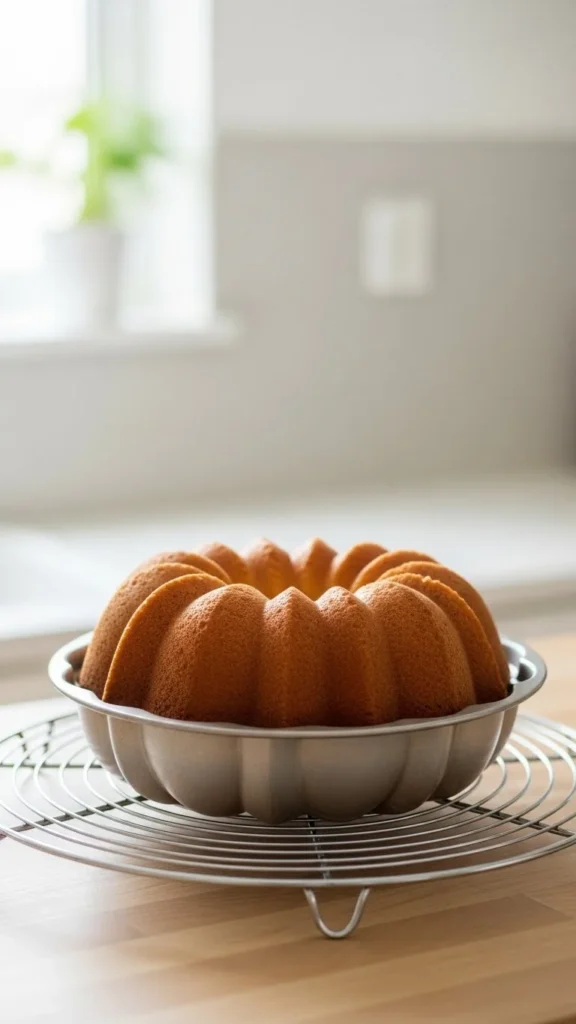
Timing matters here.
Let the cake cool:
- 10–15 minutes in the pan
- Not fully cold
- Not piping hot
If it’s too hot, it can break. Too cool, and it may stick.
After resting:
- Gently loosen edges with a thin knife
- Place a plate on top
- Flip confidently in one motion
If it resists, tap the pan lightly and wait another minute.
Simple Finishing Touches That Elevate the Cake
Bundt cakes don’t need heavy frosting.
Easy finishes:
- Powdered sugar dusting
- Simple glaze
- Chocolate drizzle
- Fresh berries on the side
Let the cake cool fully before glazing so it sets nicely instead of soaking in.
Common Bundt Cake Mistakes to Avoid
Keep these in mind:
- Skipping pan prep
- Overmixing batter
- Overfilling the pan
- Baking at too high a temperature
- Unmolding too soon or too late
Small adjustments make a big difference.
Final Takeaway
A perfect Bundt cake isn’t about luck—it’s about preparation and patience. When you grease carefully, choose the right batter, and bake evenly, the cake releases cleanly and looks beautiful straight from the pan.
Once you master these basics, Bundt cakes become one of the most reliable and impressive desserts you can make.
Save this recipe for later and enjoy stress-free Bundt cakes that turn out perfect every time. 🍰✨

Leave a Reply