

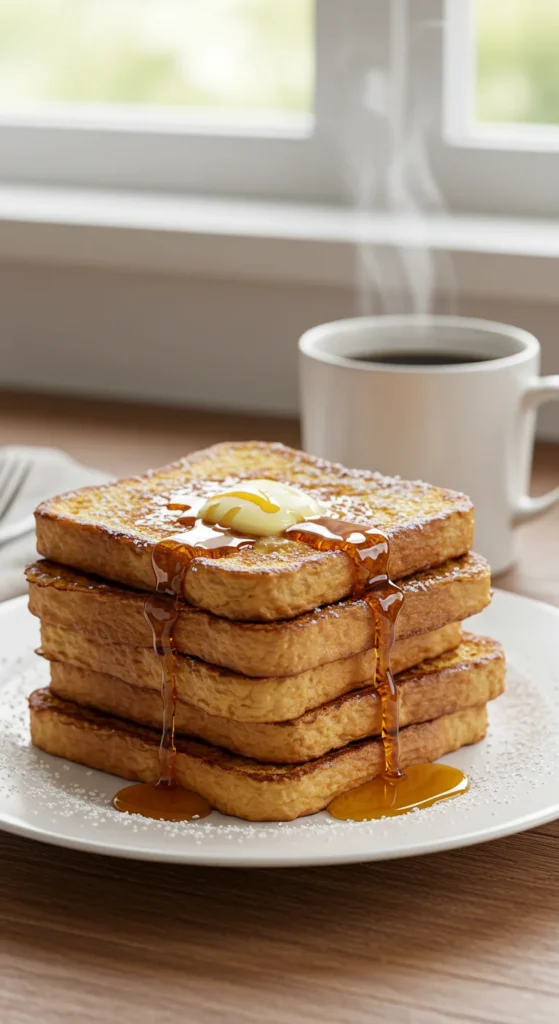
There’s something about French toast that makes breakfast feel like a special occasion — even on an ordinary weekday. Crispy on the outside, fluffy in the center, and kissed with cinnamon and vanilla, it’s one of the easiest yet most rewarding dishes you can make.
But perfecting it? That takes a few small tricks. The wrong bread, a rushed soak, or too much heat, and you’ll end up with soggy or burned slices. Don’t worry — once you learn how to balance the custard and cook with the right touch, you’ll have French toast that’s perfectly golden every single time.
Let’s dive into the simple steps (and little secrets) that make all the difference.
Choose the Right Bread
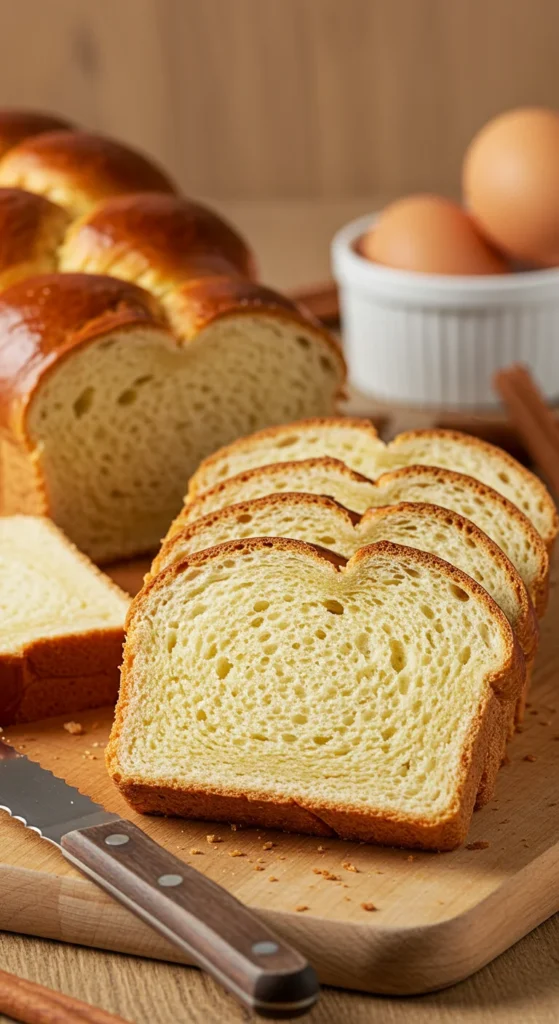
The foundation of perfect French toast is good bread — it’s what gives your breakfast that soft interior and crisp crust.
Here are the best types to use:
- Brioche: Soft, buttery, and slightly sweet — it’s the gold standard.
- Challah: Slightly firmer than brioche with a beautiful texture that soaks custard evenly.
- Texas toast or thick sandwich bread: Great for a classic diner-style result.
Pro Tip: Use day-old bread. Slightly stale slices absorb the custard without falling apart, giving you that creamy, not mushy, texture inside.
Make a Custard That’s Creamy (Not Eggy)
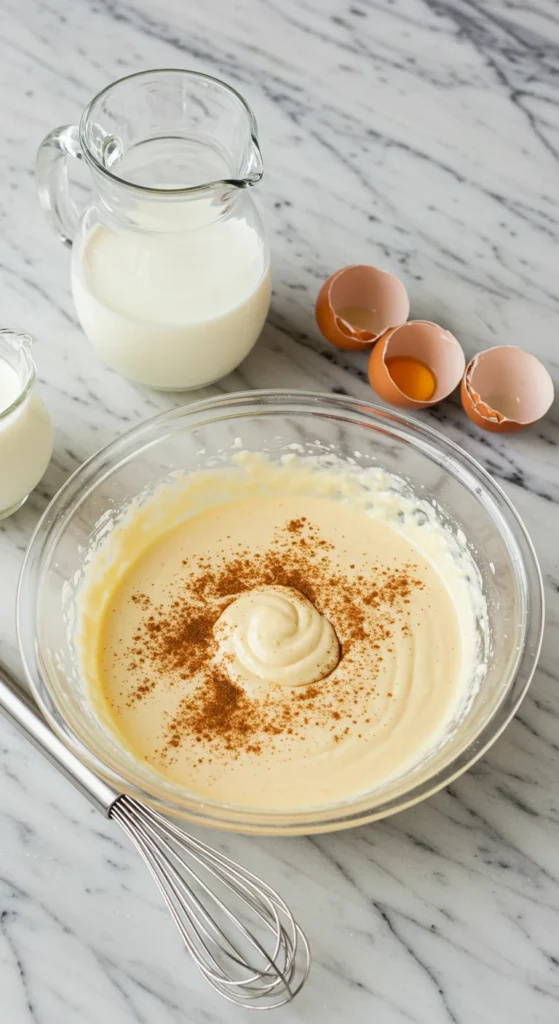
The “custard” — your egg and milk mixture — is where all the flavor and texture come from. The trick is to balance the ratio so it’s rich but not overly eggy.
Classic Custard Base:
- 3 large eggs
- ¾ cup whole milk or half-and-half
- 1 tsp vanilla extract
- 1 tsp cinnamon
- 1 tbsp sugar
- Pinch of salt
Optional Upgrades:
- Add a splash of heavy cream for luxury.
- Swap sugar for maple syrup or brown sugar for a hint of caramel sweetness.
- Stir in a tiny bit of orange zest for brightness.
Mixing tip: Whisk until smooth and fully combined. Any streaks of egg white will create cooked egg bits on the bread — not what you want!
Soak It, Don’t Drown It
The perfect soak ensures your bread absorbs the custard just enough to stay creamy inside without turning soggy.
Here’s the sweet spot:
- Soak thick slices for 20–30 seconds per side.
- For extra-thick brioche or challah, go up to 1 minute per side.
Lay the soaked slices on a wire rack for a minute to let excess custard drip off — this prevents puddles in the pan.
Pro Tip: Don’t rush the soak. Under-soaked bread cooks unevenly and tastes dry in the middle.
Cook Over Moderate Heat
Now comes the magic moment: cooking your French toast to that perfect golden brown.
Follow these steps:
- Preheat a nonstick skillet or griddle over medium heat.
- Add butter (and a little oil if you like) to prevent burning.
- Place the soaked bread gently onto the pan.
- Cook for 2–3 minutes per side, or until both sides are evenly golden brown.
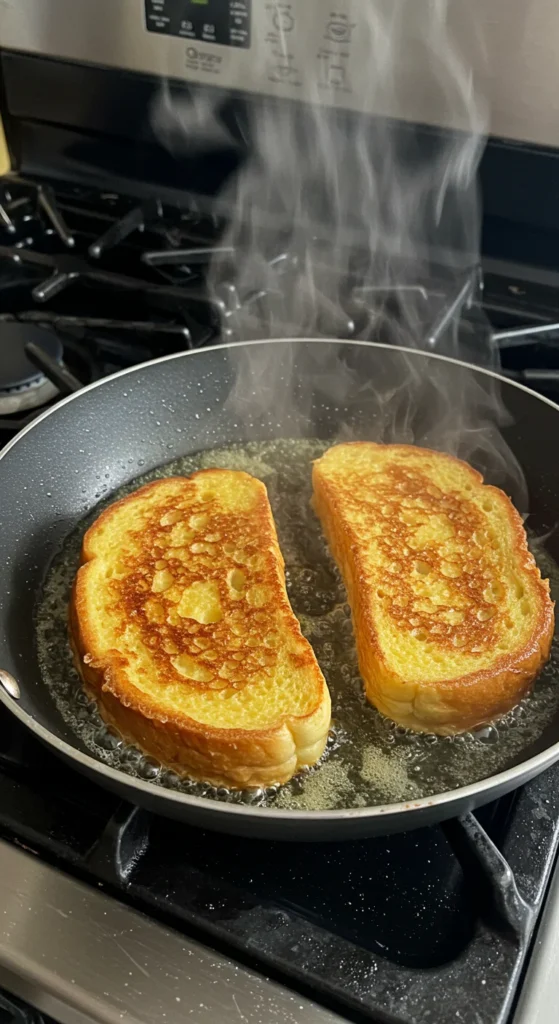
Avoid High Heat: It’s tempting to crank up the flame, but that will brown the outside too quickly while leaving the center undercooked. Patience gives you the even, crisp texture you’re after.
Flavor Twists to Try
Once you master the classic, you can make French toast as creative as you like:
- Cinnamon Sugar French Toast: Sprinkle a cinnamon-sugar blend on each side while cooking.
- Stuffed French Toast: Spread cream cheese, Nutella, or fruit jam between two slices before dipping.
- Savory French Toast: Skip the sugar, add salt and herbs to the custard, and top with bacon, cheese, or avocado.
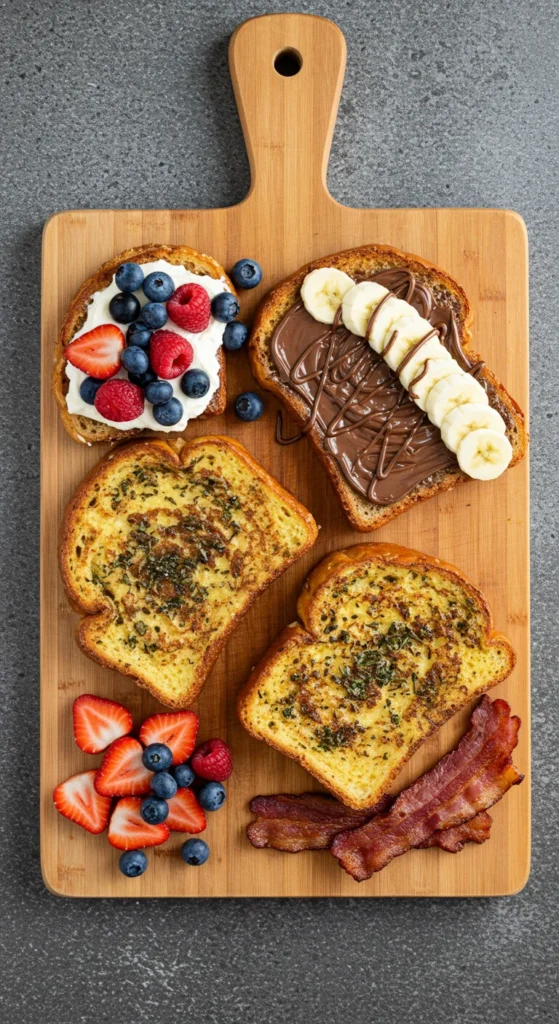
Toppings That Make It Shine
Once your French toast is perfectly golden and warm, the fun part begins — toppings! Try one (or stack a few):
- Classic: Butter and maple syrup
- Fancy: Whipped cream, fresh berries, and powdered sugar
- Holiday Vibes: Cranberry compote and candied pecans
- Decadent: Chocolate drizzle and sliced strawberries
Pro Tip: Serve French toast immediately for the crispiest edges. If making a big batch, keep slices warm in a 200°F (93°C) oven until serving time.
Troubleshooting Common Mistakes
Even a simple recipe has a few traps. Here’s how to avoid them:
- Soggy French toast: Bread was too thin or soaked too long.
- Dry French toast: Not enough custard absorbed.
- Eggy flavor: The egg-to-milk ratio was too high or not whisked enough.
- Burnt outside: Heat was too high — stick to medium.
Fix these once, and your French toast game will be flawless forever.
Serve It Like a Pro
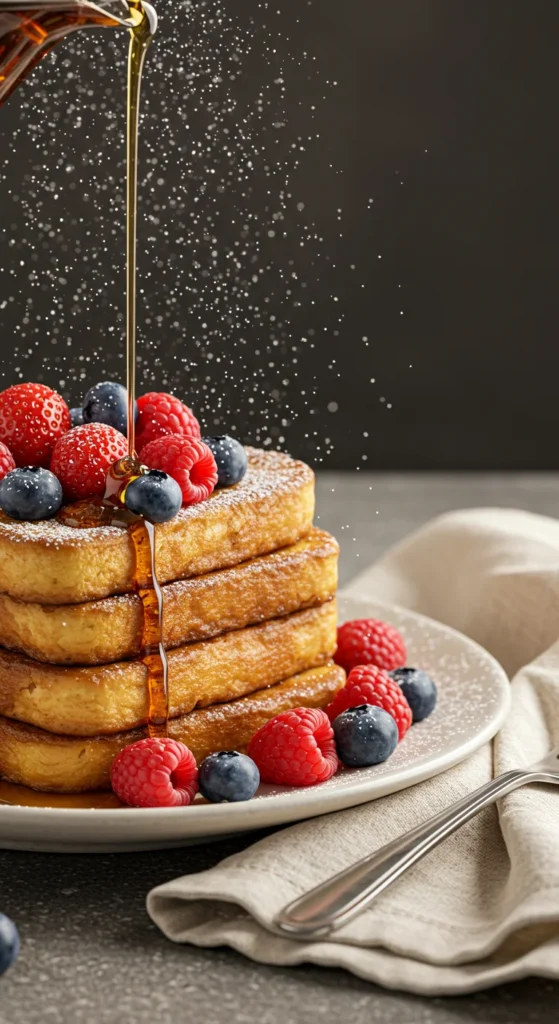
Presentation makes it even more delicious. Stack slices high, add a dusting of powdered sugar, drizzle with syrup, and finish with something fresh — like mint or berries.
The Sweet Takeaway 🍯
Perfect French toast is about balance — soft and custardy inside, golden and crisp outside, never soggy or dry. Use good bread, the right soak, and gentle heat, and you’ll get that café-style perfection every time.
So next weekend, skip the pancakes and make a stack of French toast that’s truly golden.
Save this recipe for your next cozy brunch — your kitchen will smell amazing!

Leave a Reply