


Shrimp cook fast — really fast. One minute they’re tender, juicy, and full of flavor; the next, they’re rubbery and dry. It’s the most common seafood mistake, and yet the easiest one to fix once you know the signs and techniques.
If you’ve ever wondered how to cook shrimp just right — whether you’re sautéing, grilling, or baking — this guide will help you master it. Let’s dive into the secrets of perfectly cooked shrimp every single time.
Understanding Shrimp: Timing Is Everything
Shrimp don’t give you much time to guess. They go from raw to done in just a few minutes, depending on the size.
Here’s a quick cheat sheet:
- Small shrimp (51–60 per pound): 1–2 minutes per side
- Medium shrimp (31–40 per pound): 2–3 minutes per side
- Large shrimp (16–20 per pound): 3–4 minutes per side
The visual cues:
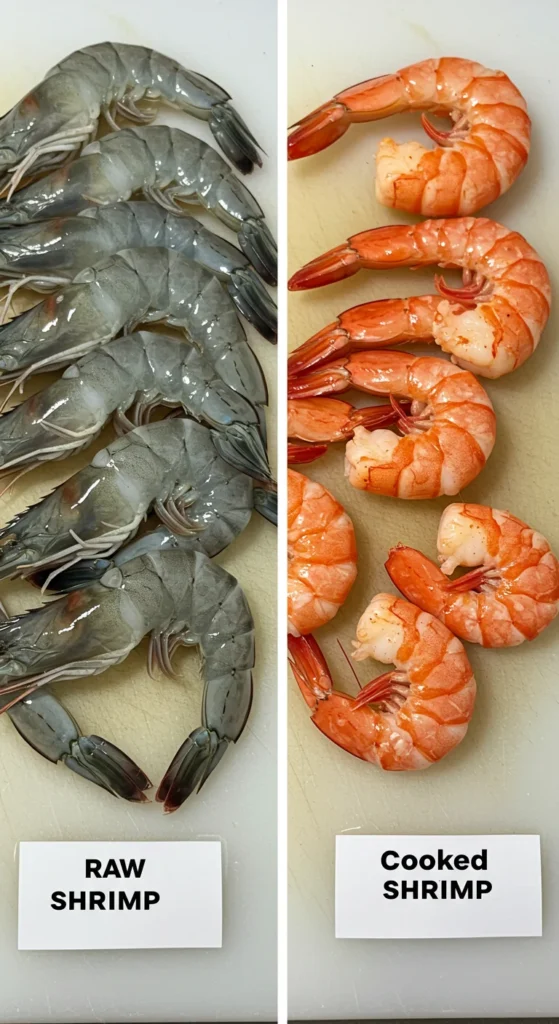
- They turn from gray and translucent to pink and opaque.
- They curl into a gentle “C” shape (not tight like an “O”).
- They should still look juicy and slightly firm when pressed.
Step 1: Prep the Shrimp Like a Pro
Before you even turn on the stove, prepping shrimp properly makes a big difference in texture and flavor.
1. Thaw them correctly
If you’re using frozen shrimp, place them in a bowl of cold water for 10–15 minutes. Never use hot water — it starts cooking the outer layer before you’re ready.
2. Peel and devein (optional)
- Leave the shells on for more flavor if you’re grilling or roasting.
- Remove them if you want easy eating, especially for pastas or stir-fries.
- Don’t forget the vein — it’s not harmful but can add a gritty texture.
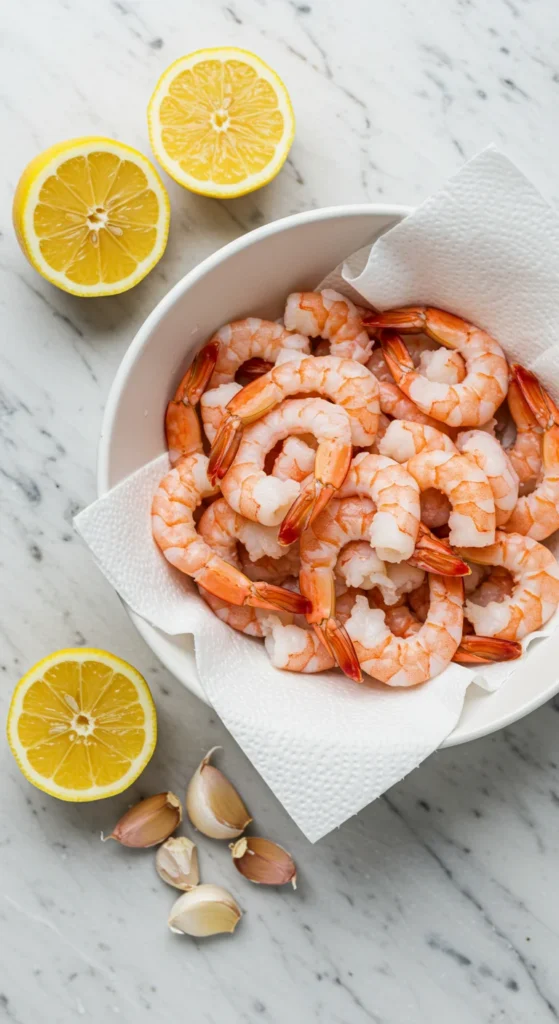
3. Pat them dry
Moisture is the enemy of good searing. Dry shrimp cook more evenly and get a beautiful, slightly crisp surface.
Step 2: Choose the Right Cooking Method
Shrimp are versatile, so you can cook them however you like — but some methods make it easier to avoid overcooking.
Sautéing
Perfect for weeknights.
- Heat a skillet with olive oil or butter over medium-high.
- Add shrimp in a single layer — don’t overcrowd.
- Cook 2–3 minutes per side until pink.
Pro tip: Add garlic and lemon juice in the last 30 seconds for flavor without burning.
Grilling
Gives smoky depth and crisp edges.
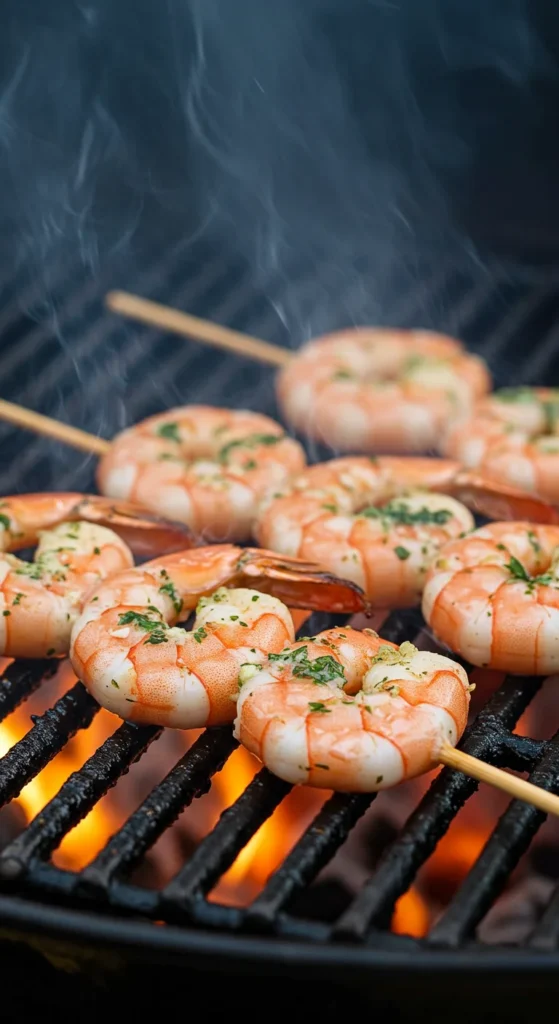
- Skewer shrimp (to prevent losing any between grates).
- Brush lightly with oil and seasoning.
- Grill 2–3 minutes per side until opaque.
Baking
Best for larger batches.
- Toss shrimp with olive oil, garlic, and seasonings.
- Spread on a baking sheet and bake at 400°F (200°C) for 6–8 minutes.
- Watch closely — the edges will tell you when they’re ready.
Step 3: Flavor Pairings That Complement Shrimp
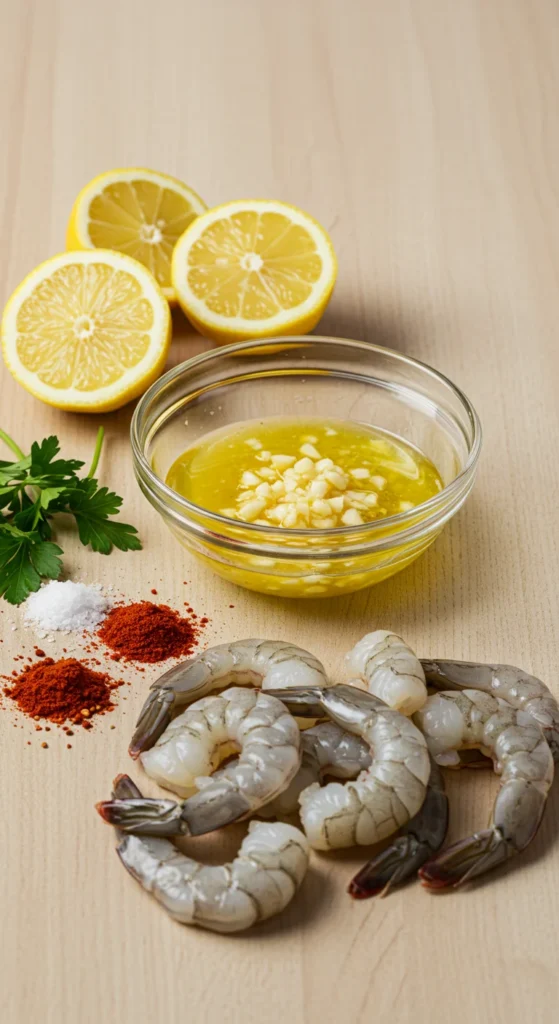
Shrimp’s mild sweetness pairs beautifully with bold or bright ingredients. Try mixing and matching from these combos:
- Garlic + Butter + Lemon: Classic and foolproof
- Honey + Soy Sauce + Ginger: Sweet-savory with an Asian twist
- Paprika + Lime + Cilantro: Zesty and fresh
- Chili Flakes + Olive Oil + Parsley: Perfect for pasta or toast
Step 4: Know When to Stop Cooking
The number-one rule: shrimp keep cooking even after they leave the heat.
Take them off the stove as soon as they’re pink and barely opaque in the center. The residual heat (called carryover cooking) will finish them perfectly.
Quick trick:
If you’re unsure, cut one in half — if it’s barely translucent in the middle, it’s done.
If you’re sautéing or grilling, you can even remove them a bit early and let them rest covered for 1–2 minutes.
Step 5: How to Fix Overcooked Shrimp (If It Happens)
We’ve all been there. If your shrimp end up chewy, don’t panic — there are ways to save them.
- Chop and add to soups or fried rice — small pieces blend in better.
- Toss in creamy pasta sauces — moisture helps soften the texture.
- Serve chilled with cocktail sauce — the cold makes them more tender.
And next time? Cook them 30 seconds less. Shrimp are forgiving if you learn their timing.
Step 6: Simple Recipes to Try Tonight
Once you’ve mastered the timing, shrimp are one of the easiest proteins to use in quick meals.
Try these:
- Garlic Butter Shrimp Pasta: 15 minutes, tons of flavor.
- Shrimp Tacos with Lime Slaw: Light, fresh, and zippy.
- Shrimp Stir-Fry: A perfect one-pan dinner with veggies.
- Sheet Pan Lemon Shrimp: Toss, bake, and serve — minimal cleanup.

The Secret to Perfect Shrimp Every Time
Cooking shrimp isn’t about fancy tricks — it’s about attention. Watch the color, the curl, and the clock. Keep your heat moderate and your eyes sharp.
Once you nail that tender, just-cooked texture, you’ll never go back to overdone shrimp again.
So next time shrimp are on the menu, remember: pink, plump, and C-shaped — not tight and dry. That’s your sign of success.
Save this guide for later, or pin it for your next seafood night — your shrimp will thank you! 🍤

Leave a Reply