

Comfort food has a way of making everything feel better. The problem is that traditional comfort dishes are often heavy, overly rich, and leave you feeling sluggish afterward. The good news? You don’t have to give them up. With a few smart swaps and simple techniques, you can enjoy comforting meals that feel cozy and balanced.
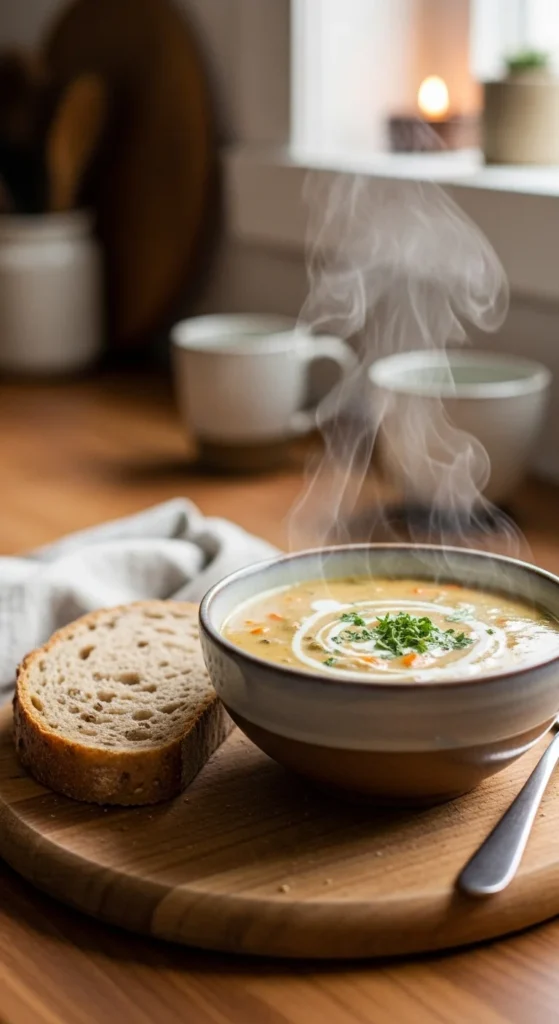
Healthy comfort food is about keeping the flavors you love while lightening the parts that slow you down. Let’s walk through how to do it in a way that feels easy, realistic, and satisfying.
Rethink What Comfort Food Really Means
Comfort food isn’t just about rich sauces or heavy portions. It’s about warmth, familiarity, and feeling cared for. Once you look at it this way, it becomes much easier to make better choices without losing the heart of the dish.
Focus on:
- Warm textures like soups, stews, and baked dishes
- Familiar flavors such as garlic, herbs, and slow-cooked vegetables
- Simple presentations that feel homemade
When you build comfort from flavor and texture instead of excess fat or sugar, the dish still hits that emotional note.
Choose Smarter Ingredient Swaps
Small ingredient changes can make a big difference without changing how the food feels on your plate.
Some easy swaps:
- Use Greek yogurt instead of cream in soups and sauces
- Choose lean proteins like chicken, turkey, beans, or lentils
- Replace white pasta or rice with whole-grain or vegetable-based options
- Cook with olive oil instead of butter most of the time
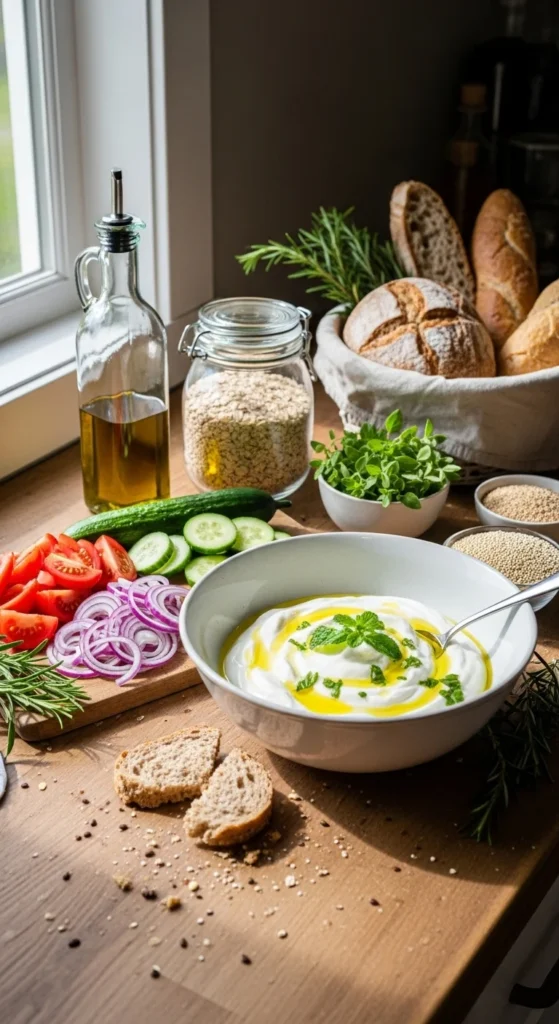
These swaps keep meals filling and flavorful while making them easier to enjoy regularly.
Build Flavor Without Heavy Add-Ins
A lot of comfort food relies on extra cheese, salt, or sugar to taste good. You can get just as much depth by layering flavors the right way.
Try this approach:
- Start with aromatics like onions, garlic, or shallots
- Add herbs and spices early so they bloom in the heat
- Use acidity from lemon juice or vinegar to brighten dishes
- Finish with fresh herbs for a clean, comforting aroma
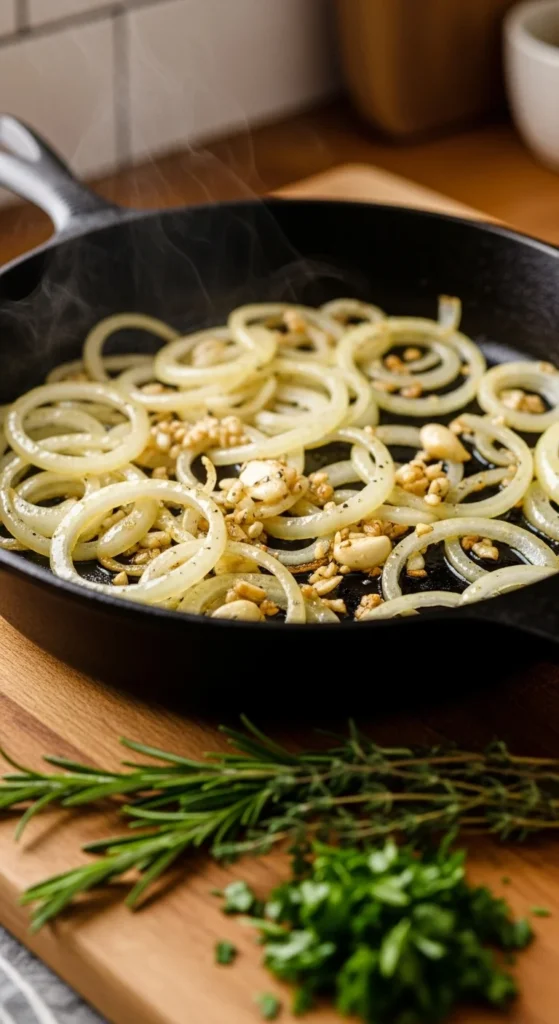
These steps help food taste rich and complete without relying on heavy ingredients.
Lighten Classic Comfort Dishes
You don’t have to reinvent your favorite meals. You just need to adjust how they’re made.
Here are a few examples:
- Mac and cheese: use less cheese, add roasted vegetables, and stir in Greek yogurt
- Mashed potatoes: mix in cauliflower for a lighter texture
- Casseroles: increase vegetables and reduce processed toppings
- Fried favorites: bake or air-cook instead for a crisp finish
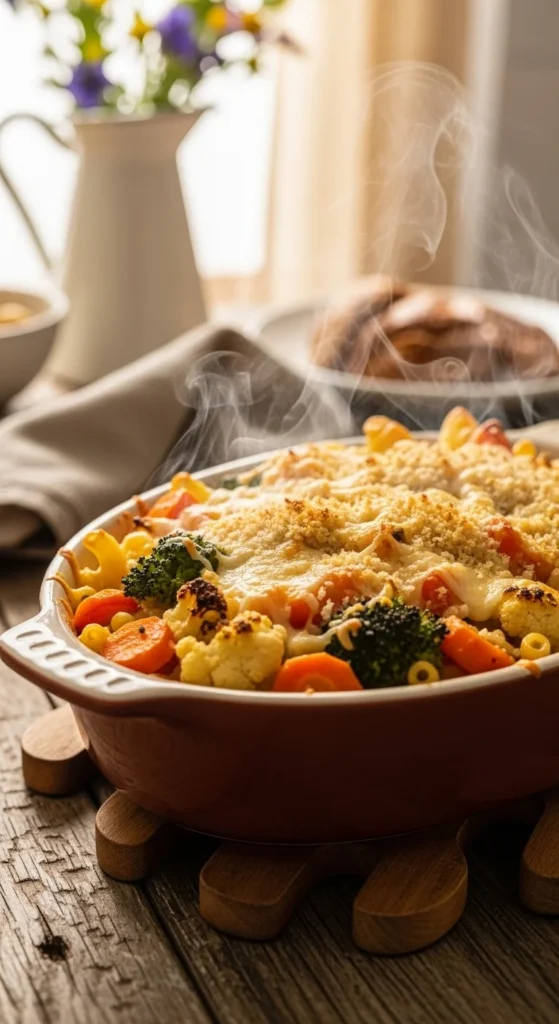
These changes keep the dish familiar while making it something you can enjoy more often.
Watch Portions Without Feeling Restricted
Healthy comfort food still feels generous. The key is balance on the plate.
A simple formula:
- Half vegetables
- One quarter protein
- One quarter whole grains or starch
Use smaller bowls or plates if it helps you tune in to fullness. Eating slowly and enjoying the flavors makes the meal more satisfying, even with moderate portions.
Cook in a Way That Feels Calm and Enjoyable
How you cook matters just as much as what you cook. Comfort food should feel relaxed, not rushed.
Helpful habits:
- Prep ingredients ahead of time
- Cook one-pot or sheet-pan meals to reduce cleanup
- Keep recipes simple enough for weeknights

When cooking feels manageable, you’re more likely to stick with healthier choices.
Make It Personal and Flexible
The best comfort food is the kind that fits your life. Don’t worry about perfection. Adjust recipes based on what you enjoy and what you have on hand.
Ask yourself:
- What flavors make me feel relaxed?
- Which dishes remind me of home?
- How can I make this recipe work for my routine?
When meals feel personal, they naturally become more satisfying.
Final Thoughts
Cooking healthy comfort food guilt-free is about balance, not restriction. By using better ingredients, simple techniques, and mindful portions, you can enjoy cozy meals that support how you want to feel.
Save this guide for later, try one small swap this week, and enjoy comfort food that truly feels good.

Leave a Reply