

Creamy soups are comforting, rich, and satisfying—but they don’t actually need cream to taste that way. Whether you’re avoiding dairy, looking to lighten up your meals, or simply out of cream, there are plenty of simple ways to achieve that smooth, velvety texture using everyday ingredients.

With the right techniques and ingredients, you can make creamy soup recipes that feel indulgent, nourishing, and full of flavor—without a single drop of cream.
Start With Naturally Creamy Vegetables
The easiest way to make soups creamy without cream is to rely on vegetables that naturally blend into a smooth, thick texture.
Best vegetables for creamy soups:
- Potatoes
- Sweet potatoes
- Cauliflower
- Butternut squash
- Carrots
These vegetables soften beautifully when cooked and blend into a silky base that mimics the richness of cream.
Tip: Cut vegetables into similar-sized pieces so they cook evenly and blend smoothly.
Use Blending as Your Secret Weapon
Blending is where the magic happens. A good blend transforms simple ingredients into a creamy, restaurant-style soup.
Blending options:
- Immersion blender (easy and low-mess)
- High-speed countertop blender
- Food processor (in small batches)

For extra creaminess:
- Blend longer than you think you need
- Blend while soup is hot (carefully)
- Blend part of the soup and leave some texture if you like
The smoother the blend, the creamier the soup feels.
Add Plant-Based Creamy Boosters
Several plant-based ingredients add richness and body without overpowering the flavor.
Great cream alternatives:
- Coconut milk (full-fat for richness)
- Cashews (soaked and blended)
- White beans or chickpeas
- Oat milk or almond milk (unsweetened)
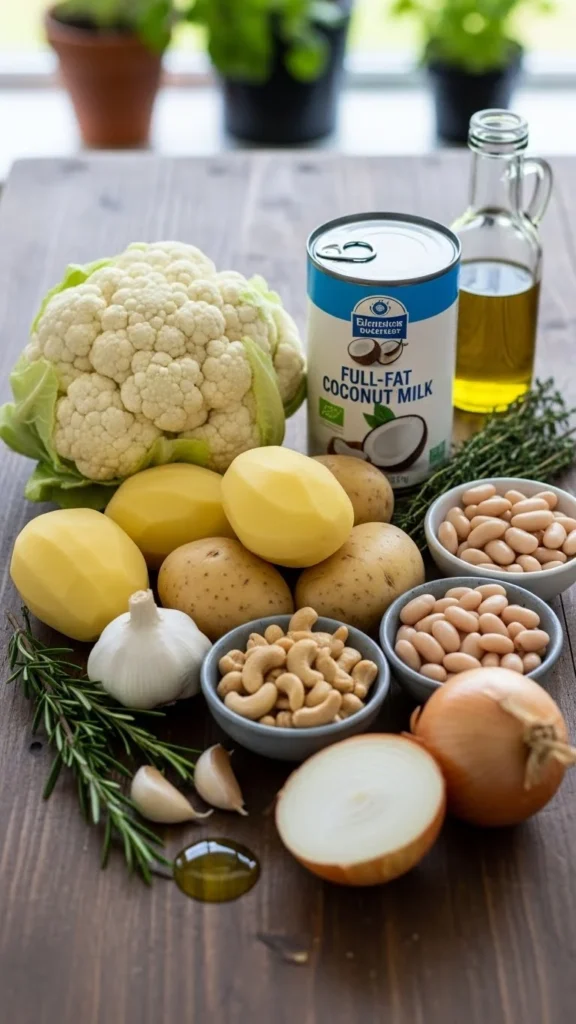
A small amount goes a long way. Start with a little, blend, then adjust.
Thicken Soups with Smart Techniques
You don’t need flour or cream to thicken soup. Simple cooking techniques can do the job naturally.
Easy thickening methods:
- Blend part of the soup and stir it back in
- Mash cooked vegetables directly in the pot
- Simmer uncovered to reduce liquid
- Add cooked grains like rice or oats and blend
These methods add body while keeping flavors clean and balanced.
Build Flavor Before You Blend
Creamy soups taste best when flavor is layered early. Cream usually masks blandness—without it, seasoning matters more.
Flavor-building steps:
- Sauté onions and garlic until soft
- Toast spices briefly in oil
- Season vegetables before adding liquid
- Use vegetable or bone broth instead of water
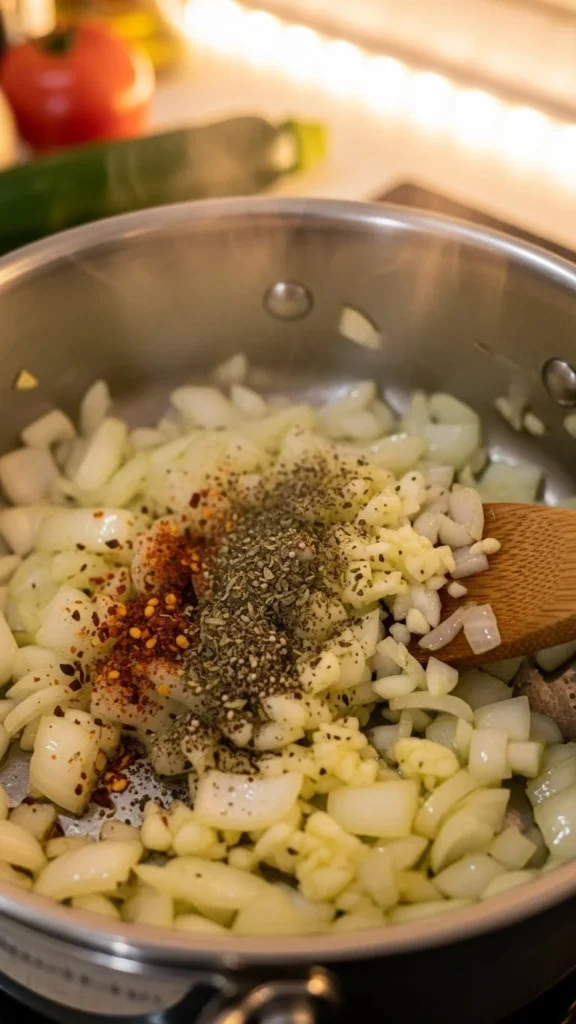
This creates depth so your soup tastes rich, not flat.
Finish with Texture and Toppings
Creamy soups shine when paired with contrast. Toppings add texture, flavor, and visual appeal.
Easy topping ideas:
- Toasted seeds or nuts
- Olive oil drizzle
- Fresh herbs
- Croutons or crispy chickpeas
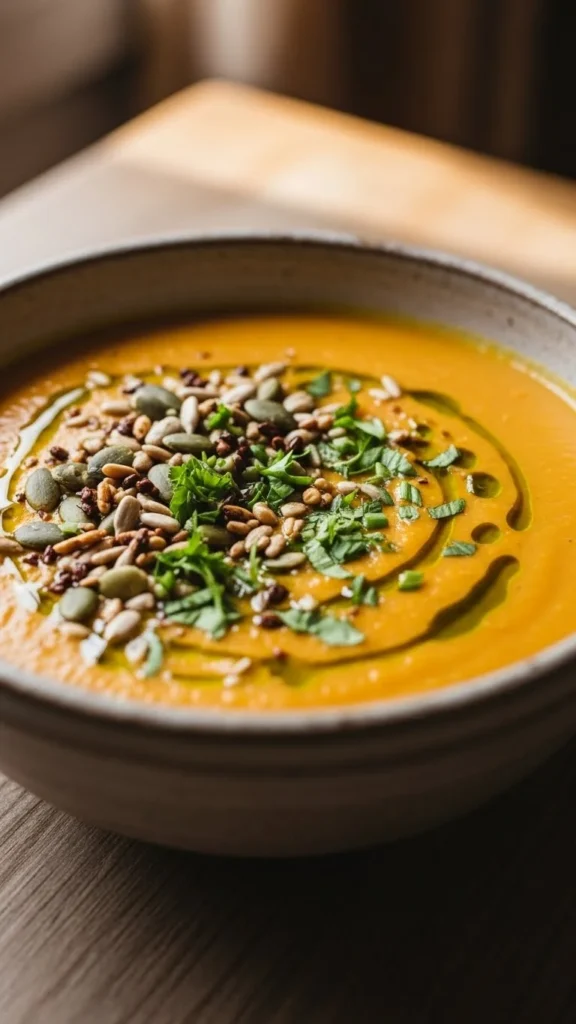
These small touches make dairy-free soups feel complete and satisfying.
Adjust Consistency to Your Taste
Cream-free soups are easy to customize. If the soup is too thick, thin it gradually.
Ways to adjust texture:
- Add warm broth or water
- Stir in plant-based milk
- Blend again after adjusting
If it’s too thin:
- Simmer longer
- Add more blended vegetables
- Stir in mashed beans
This flexibility makes cream-free soups forgiving and beginner-friendly.
Store and Reheat Without Losing Creaminess
Cream-free soups store and reheat beautifully—often better than dairy-based ones.
Storage tips:
- Store in airtight containers
- Refrigerate for up to 4 days
- Freeze for up to 3 months
When reheating:
- Warm gently over low heat
- Stir well to restore texture
- Add a splash of broth if needed
The soup will return to its creamy consistency with minimal effort.
Final Takeaway
Making creamy soup recipes without cream is all about using the right vegetables, smart blending techniques, and simple flavor-building steps. With naturally creamy ingredients and a good blender, you can create soups that feel rich, comforting, and deeply satisfying—no dairy required.
Save this guide for later and enjoy creamy, cozy soups that are lighter, flexible, and just as delicious. 🍲✨

Leave a Reply