

Let’s face it — there’s nothing more frustrating than soggy, sticky, or undercooked pasta. Whether you’re whipping up a quick dinner or hosting guests, knowing how to cook pasta perfectly every time is a skill worth mastering. And the good news? It’s easier than you think.
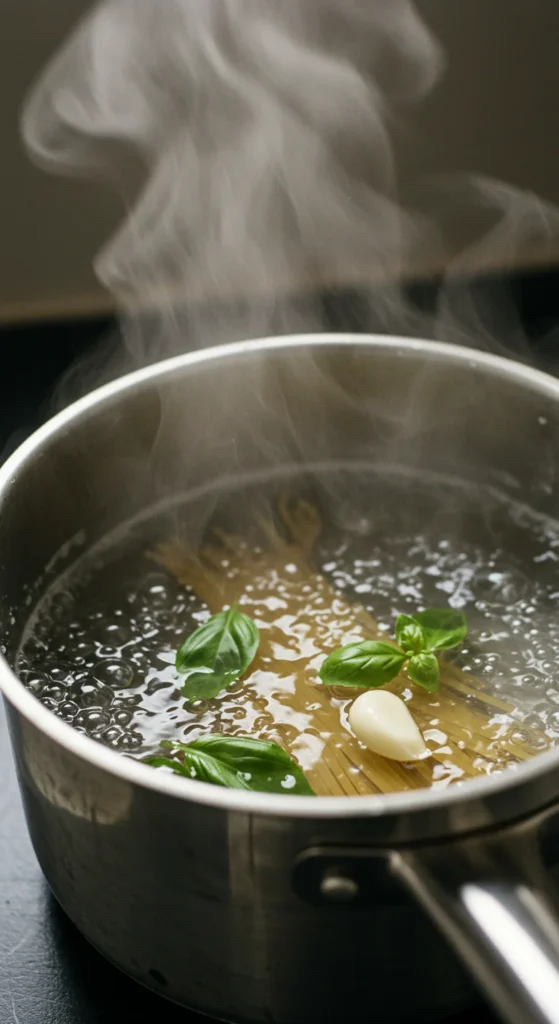
We’re breaking down the foolproof steps to pasta perfection, plus a few pro tips to elevate your next pasta night.
Step 1: Choose the Right Pasta for Your Dish
Not all pasta is created equal. Depending on what you’re making, choose a pasta shape that pairs well with your sauce:
- Spaghetti or linguine – Best for light oil or tomato-based sauces.
- Penne or rigatoni – Great for chunky or creamy sauces that cling to the ridges.
- Farfalle or fusilli – Ideal for pasta salads or thick veggie sauces.
Fresh pasta cooks differently than dried, so keep that in mind when timing your meal.
Step 2: Salt the Water Like the Sea
This step is often overlooked, but it’s key to flavorful pasta.
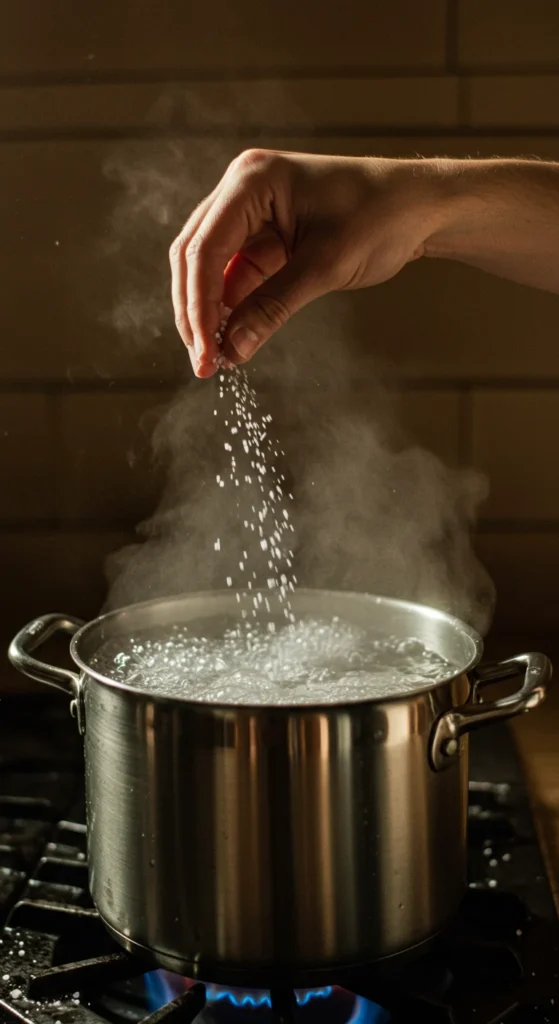
- Bring a large pot of water to a rolling boil.
- Add a generous amount of kosher or sea salt — about 1 to 1.5 tablespoons per 4–6 quarts of water.
- The water should taste like the sea — don’t worry, most of the salt doesn’t stay with the pasta.
Why salt matters: It seasons the pasta from the inside as it cooks, and there’s no way to add that flavor later.
Step 3: Use Plenty of Water and Stir Early
One of the most common mistakes? Not using enough water. Pasta needs space to move so it cooks evenly.
- Use at least 4–6 quarts of water per pound of pasta.
- Once you drop the pasta in, give it a good stir. This helps prevent sticking.
- Stir again occasionally during cooking.
Tip: Don’t add oil to the water — it doesn’t prevent sticking and can make your sauce slide off the pasta later.
Step 4: Follow the Timing (but Taste to Know)
Yes, the box gives a cooking time, but the real test is in the taste.
- Start testing the pasta about 2 minutes before the box’s suggested time.
- Look for al dente — tender with a slight bite in the center.
- If you’re tossing the pasta into a hot sauce afterward, undercook by 1–2 minutes, and let it finish cooking in the sauce.
Step 5: Don’t Drain All the Water
Before you dump all that starchy water down the sink — stop!
- Scoop out a cup of pasta water before draining.
- This “liquid gold” helps sauces bind better and adds flavor and silkiness.
- Add a splash at a time to your sauce when mixing in the pasta.
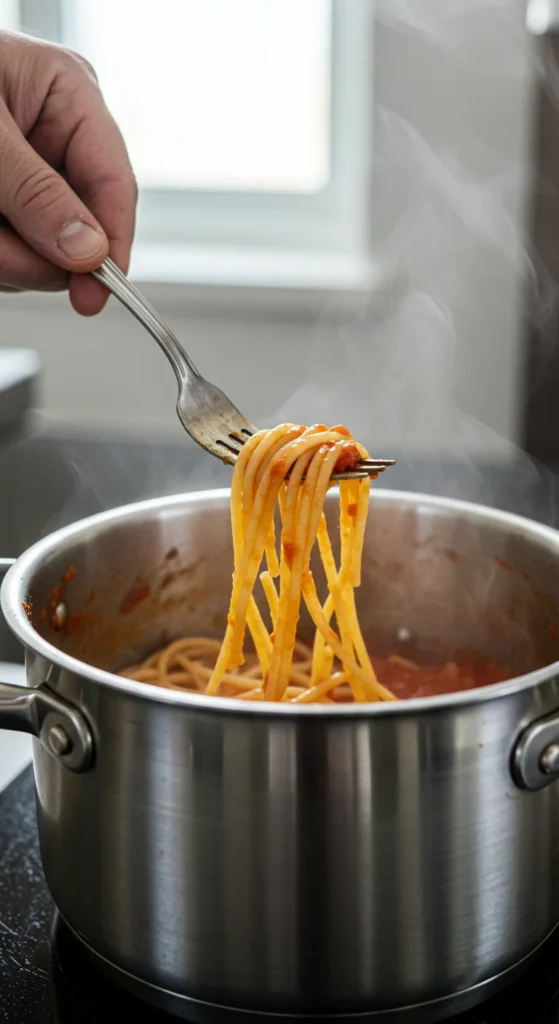
Pro tip: Use a spider strainer or tongs to transfer the pasta directly from pot to pan — no colander needed.
Step 6: Sauce It Right
Never rinse your pasta after cooking. The starch helps the sauce stick!
Once your pasta is drained:
- Toss it immediately with your warm sauce in a large pan or bowl.
- Add a bit of the reserved pasta water if needed.
- Stir to coat every strand or shape evenly.
Bonus Tips for Pasta Perfection
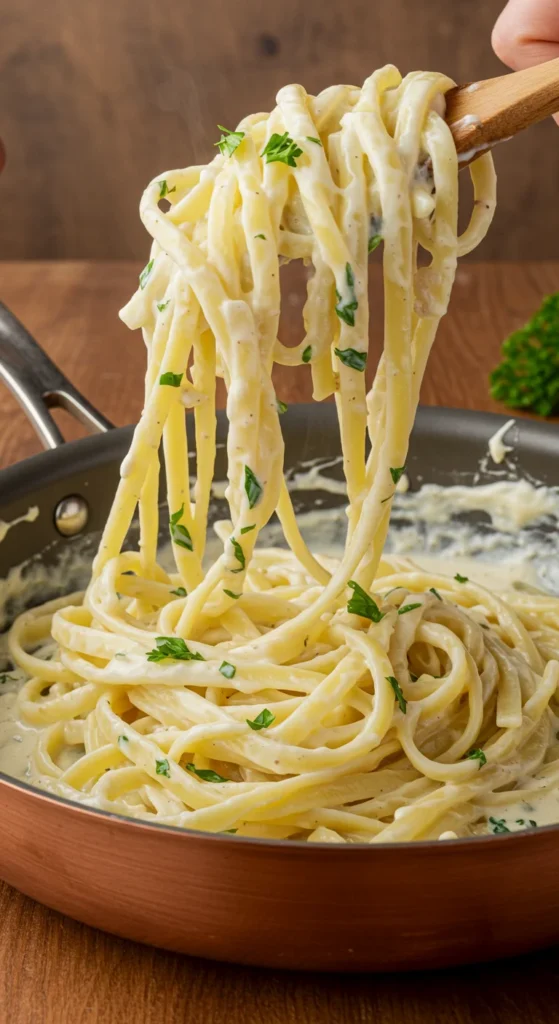
- Use fresh herbs like basil or parsley for a flavor boost.
- Finish with cheese (Parmesan, Pecorino, or your favorite grated cheese).
- Serve immediately — pasta waits for no one!
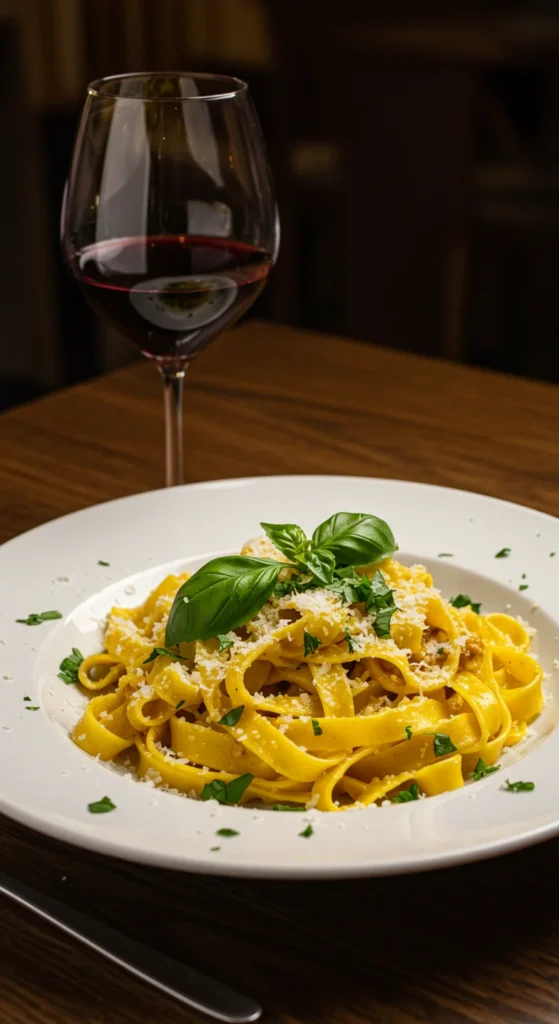
Save This for Your Next Pasta Night 🍝
Perfect pasta doesn’t have to be complicated. With the right technique, you can make every bite count — whether it’s a weeknight dinner or a cozy weekend meal.
Save this recipe for later, and impress yourself (and others) with your new pasta skills!

Leave a Reply