

How to Cook Gnocchi Like an Italian Nonna
If you’ve ever had gnocchi made by an Italian nonna, you know the magic. They’re soft as pillows, lightly chewy, and never heavy. Real gnocchi don’t drown in sauce or feel dense on the plate. They melt, they comfort, and they taste like patience and tradition.
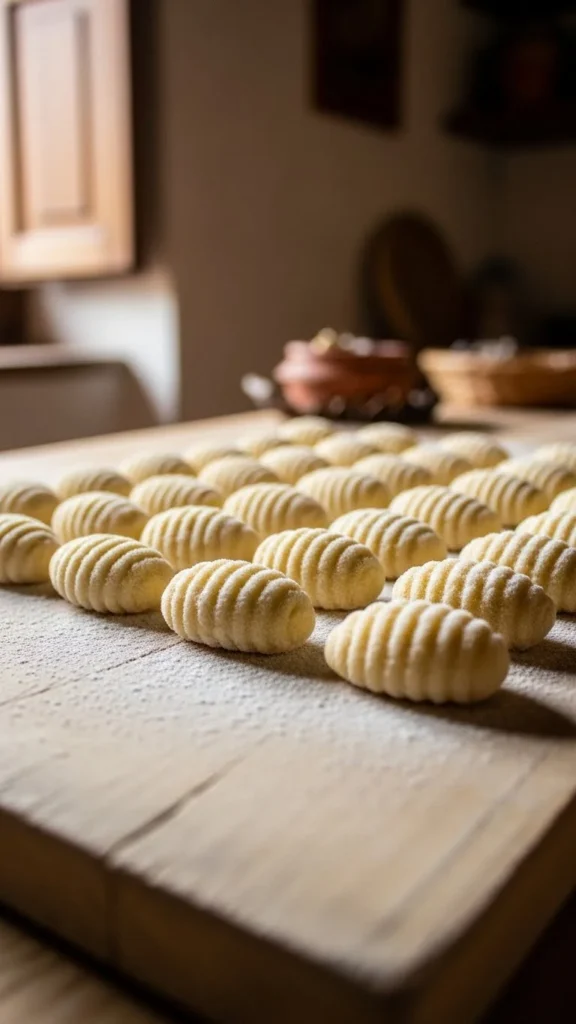
The secret isn’t fancy equipment or complicated steps. It’s simple ingredients, gentle hands, and knowing when to stop. This guide breaks down how to cook gnocchi the traditional way—so tender and light they’d make any nonna proud.
What Makes Gnocchi “Nonna-Style”?
Nonna-style gnocchi follows a few golden rules:
- Fewer ingredients
- Less flour than you think
- Minimal handling
- Respect for texture
Italian grandmothers don’t measure obsessively. They cook by feel. The goal is gnocchi that hold together in water but stay airy once cooked.
Choosing the Right Potatoes
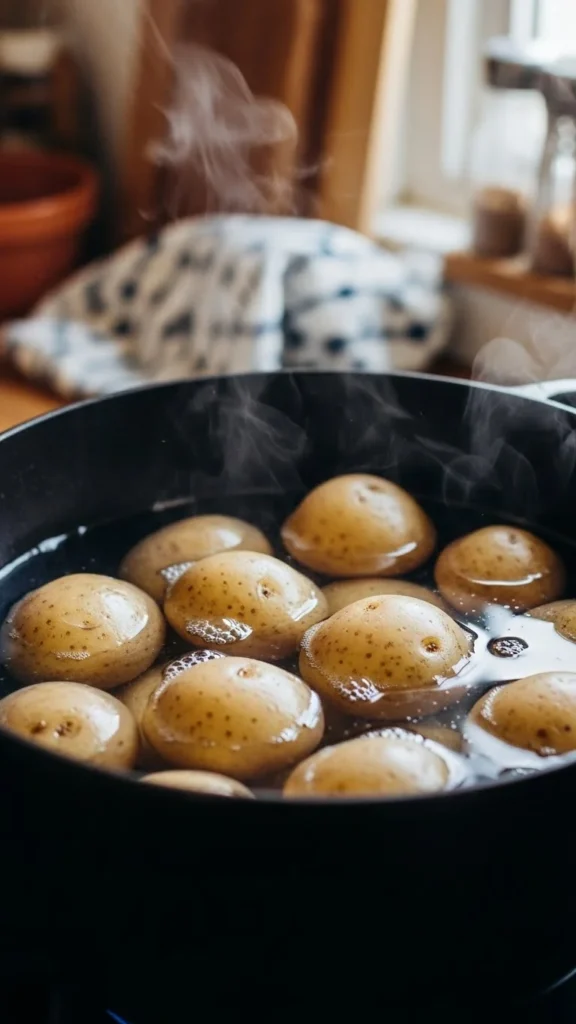
Potatoes are the heart of gnocchi, and the type matters.
Best choice:
- Starchy potatoes (like russet or Yukon Gold)
Why they work:
- Less moisture
- Lighter texture
- Better absorption without gumminess
Cook potatoes whole, with skins on. This prevents water from soaking in. Once tender, peel while still warm and mash immediately.
Avoid food processors. A potato ricer or fork keeps the texture light.
Making the Dough Without Overworking It
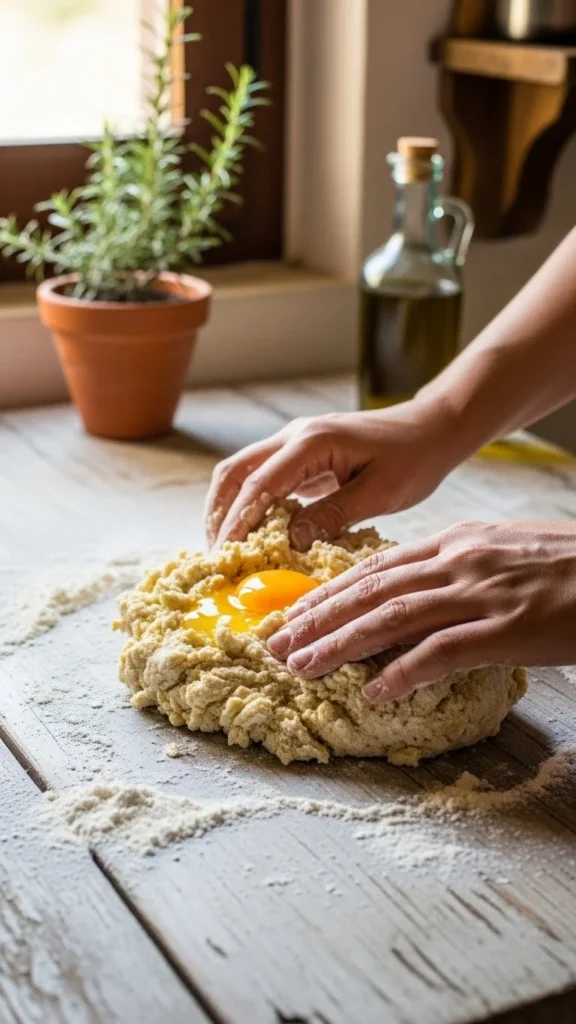
Classic gnocchi dough uses:
- Warm mashed potatoes
- Flour
- Egg (optional but traditional in many regions)
- Salt
How to do it right:
- Spread mashed potatoes out to release steam
- Sprinkle flour lightly
- Add egg and salt
- Fold gently until just combined
The dough should be:
- Soft
- Slightly tacky
- Easy to shape without sticking excessively
If you knead like bread, you’ll get rubbery gnocchi. Stop as soon as it comes together.
Shaping Gnocchi the Traditional Way
Shaping isn’t just for looks—it helps sauce cling.
Steps:
- Divide dough into sections
- Roll into ropes about finger-width
- Cut into bite-size pillows
To add ridges:
- Roll gently over a fork or gnocchi board
- Use light pressure only
Don’t worry if they look rustic. Perfectly uneven gnocchi are the most authentic kind.
Cooking Gnocchi Gently (Never Aggressively)
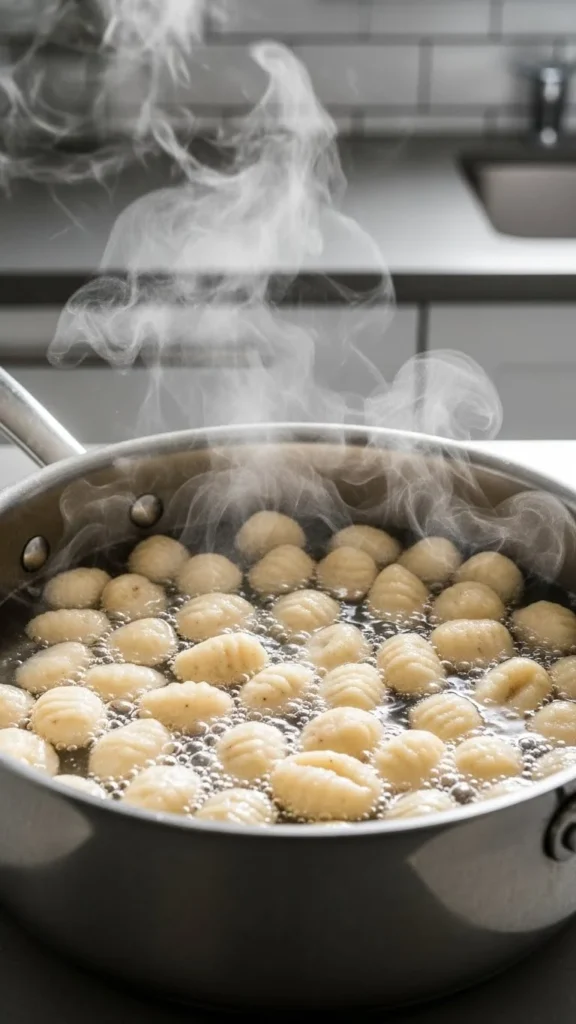
This step separates tender gnocchi from tough ones.
Cooking rules:
- Use well-salted water
- Bring to a gentle boil
- Add gnocchi in batches
- Do not stir aggressively
Gnocchi are done when they float to the surface, usually within 1–2 minutes. Scoop them out immediately with a slotted spoon.
Leaving them too long makes them waterlogged.
Finishing Gnocchi Like a Nonna Would
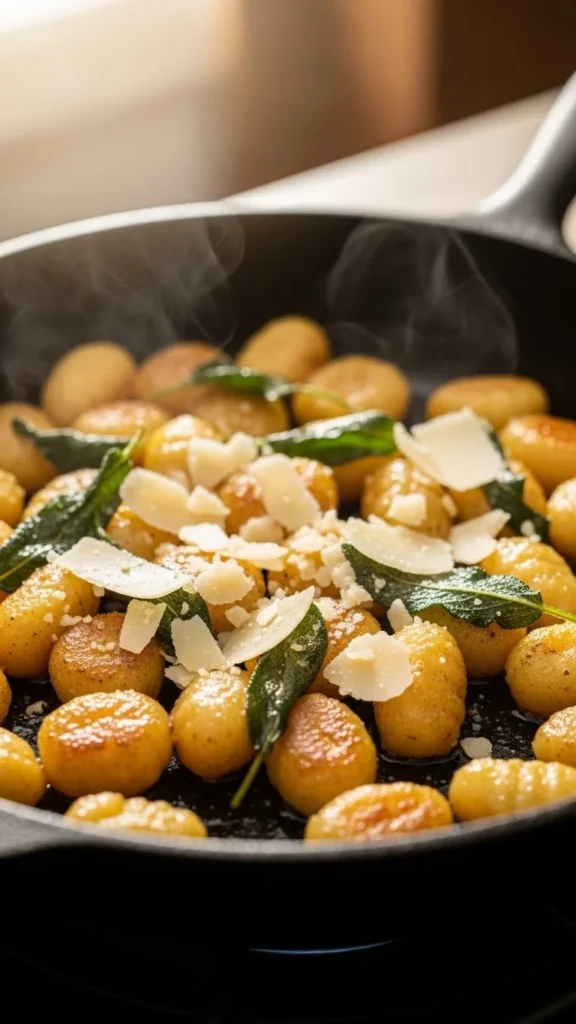
Italian nonnas don’t drown gnocchi in heavy sauce.
Classic finishes:
- Butter and sage
- Simple tomato sauce
- Olive oil and parmesan
- Light cream with herbs
Always:
- Warm sauce separately
- Add gnocchi gently
- Toss just enough to coat
The gnocchi should remain the star, not the sauce.
Common Gnocchi Mistakes to Avoid
Avoid these nonna-approved warnings:
- Using watery potatoes
- Adding too much flour
- Over-kneading the dough
- Boiling too hard
- Overcooking after floating
When something goes wrong, it’s usually because the dough was handled too much.
Make-Ahead and Storage Tips
Fresh gnocchi can be made ahead.
Options:
- Freeze uncooked gnocchi in a single layer
- Transfer to a freezer bag once solid
- Cook directly from frozen—no thawing
This keeps texture intact and makes future meals easy.
Final Takeaway
Cooking gnocchi like an Italian nonna is about restraint and intuition. Fewer ingredients. Softer hands. Less mixing. When you slow down and trust the process, the reward is gnocchi that are tender, light, and deeply comforting.
This is humble food done with care—and once you master it, you’ll never look at store-bought gnocchi the same way again.
Save this recipe for later and bring a little nonna magic into your kitchen. 🇮🇹🥔✨

Leave a Reply