

Few things are as comforting as pulling a tray of tall, fluffy biscuits out of the oven. When done right, biscuits should be golden on the outside, soft in the middle, and layered enough to pull apart with your hands. If yours tend to spread instead of rise, don’t worry—perfect biscuits come down to a few simple techniques.
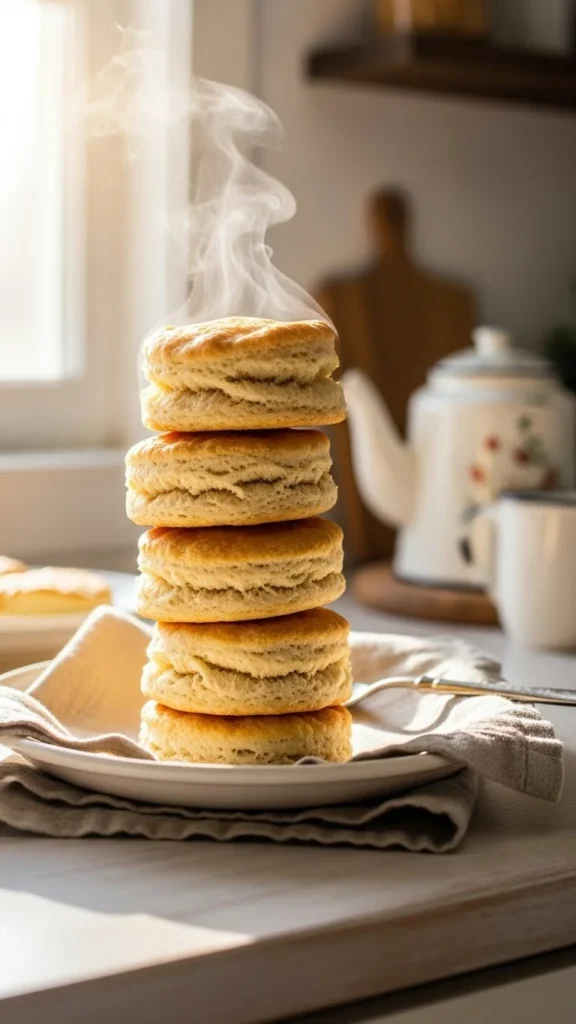
Once you understand how the ingredients work and how to handle the dough, you’ll be baking biscuits that rise high every single time.
Why Biscuits Don’t Rise (And How to Fix It)
Flat biscuits are usually the result of small mistakes that add up.
Common causes include:
- Warm butter melting too early
- Overmixing the dough
- Twisting the biscuit cutter
- Dough rolled too thin
Biscuits need cold fat and gentle handling to create steam and lift in the oven.
Choosing Ingredients That Create Lift
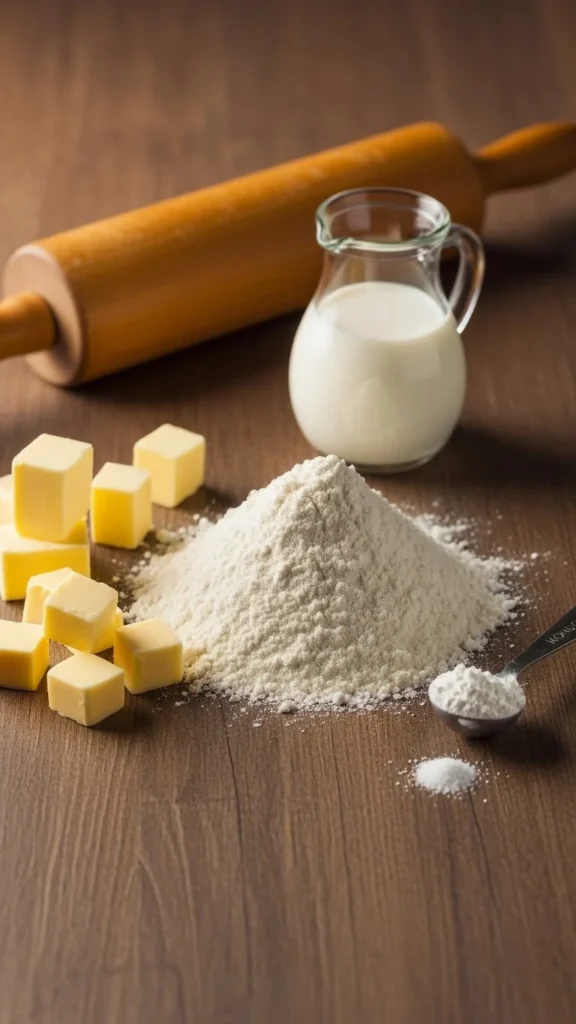
Simple ingredients, used correctly, make all the difference.
You’ll need:
- All-purpose flour
- Baking powder
- Salt
- Cold butter
- Milk or buttermilk
Why they matter:
- Baking powder creates lift
- Cold butter forms flaky layers
- Buttermilk adds tenderness and height
Check your baking powder’s freshness. Old leavening won’t rise no matter what you do.
Keeping Butter Cold for Maximum Fluff
Cold butter is the secret to tall biscuits.
Tips:
- Cut butter into small cubes
- Chill butter again if your kitchen is warm
- Use a box grater for quick mixing
When cold butter melts in the oven, it releases steam that pushes the dough upward instead of outward.
Mixing Dough Without Overworking It
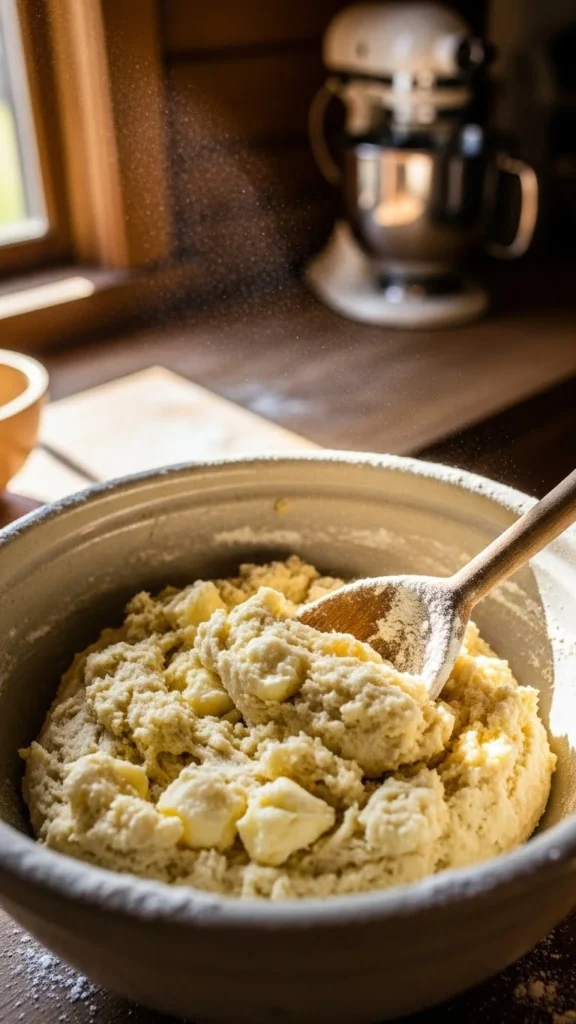
Gentle mixing keeps biscuits tender.
How to mix:
- Whisk dry ingredients together.
- Cut in butter until pea-sized.
- Add milk gradually.
- Stir just until dough comes together.
The dough should look rough and slightly sticky. Overmixing activates gluten, which leads to dense biscuits.
Folding Dough to Create Layers
This step creates those beautiful flaky layers.
Lightly flour the counter and:
- Pat dough into a rectangle
- Fold in thirds like a letter
- Turn and repeat 2–3 times
Don’t use a rolling pin aggressively. Gentle patting keeps the structure intact.
Cutting Biscuits the Right Way
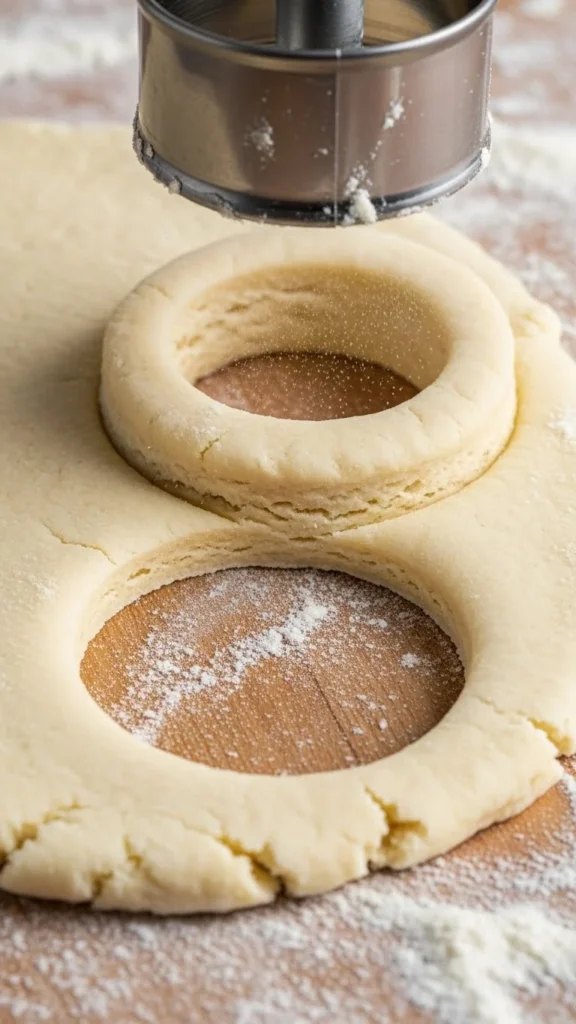
Cutting technique affects rise more than you think.
Best practices:
- Use a sharp cutter
- Press straight down
- Do not twist
Twisting seals the edges and prevents upward rise.
Place biscuits close together on the baking sheet so they support each other as they rise.
Baking at the Right Temperature
High heat is essential.
Bake biscuits at 425°F (220°C).
Why it works:
- Quick steam formation
- Strong oven spring
- Crisp exterior with soft inside
Bake until:
- Tops are golden
- Sides feel set
- Layers are visible
Finishing Touches for Extra Height and Flavor
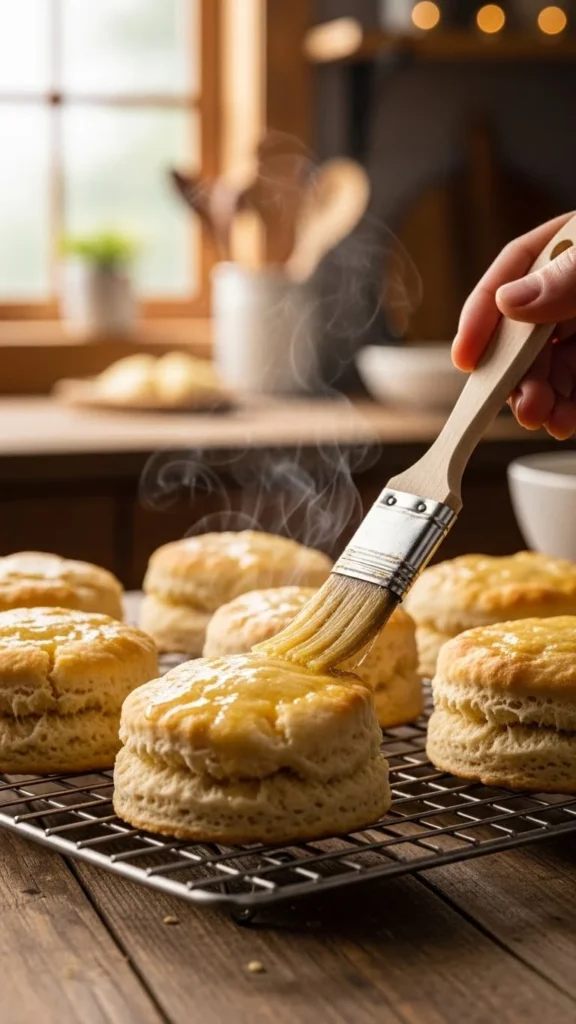
Optional but worth it:
- Brush tops with melted butter
- Add flaky salt
- Serve immediately for best texture
Biscuits are at their peak straight from the oven.
Common Biscuit Mistakes to Avoid
Watch out for:
- Warm ingredients
- Overmixing
- Rolling too thin
- Twisting the cutter
- Baking at low temperatures
Fixing just one of these can improve your results dramatically.
Final Takeaway
Fluffy biscuits that rise tall aren’t about luck—they’re about cold butter, gentle handling, and high heat. Once you master these basics, biscuit-making becomes easy and rewarding.
Whether you serve them with butter, jam, or gravy, tall homemade biscuits instantly elevate any meal.
Save this recipe for later and enjoy biscuits that rise beautifully every time. 🧈✨

Leave a Reply