

Paella is more than a dish—it’s a moment. The sound of rice sizzling, the aroma of saffron and seafood, and the excitement of serving everything straight from the pan make it perfect for sharing. While paella may look impressive, it’s surprisingly approachable when you understand a few key principles.
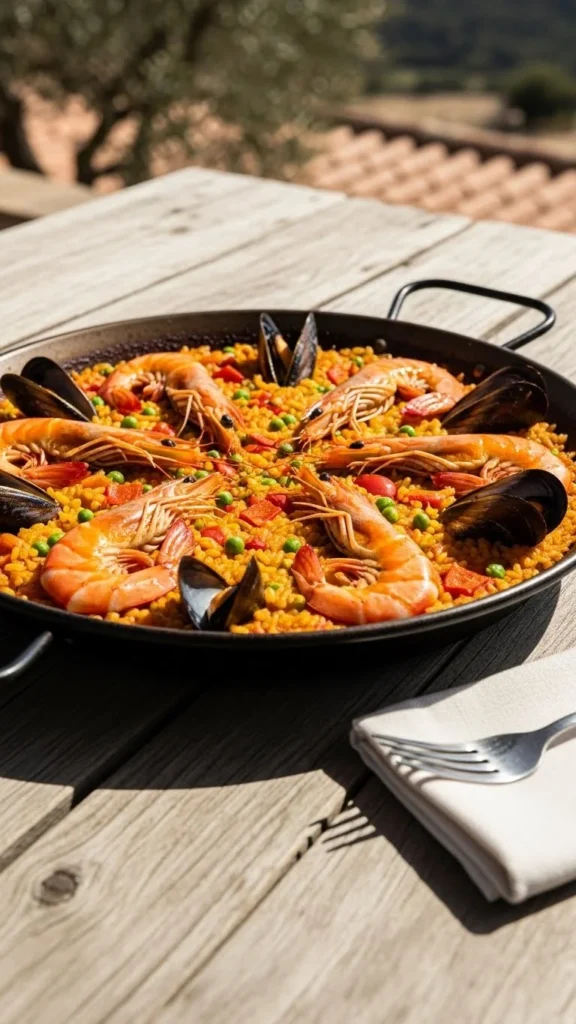
This guide walks you through a simple, authentic way to cook Spanish seafood paella at home—without stress, shortcuts, or guesswork.
What Makes Paella Authentic?
Authentic Spanish paella is all about rice, broth, and restraint. It’s not a risotto, and it’s not meant to be stirred constantly. The rice absorbs flavor as it cooks, forming a lightly crisp bottom called socarrat.
Key characteristics:
- Short-grain rice
- Shallow, wide pan
- No constant stirring
- Bold but balanced flavors
Once you respect these basics, paella becomes much easier to master.
Choosing the Right Ingredients
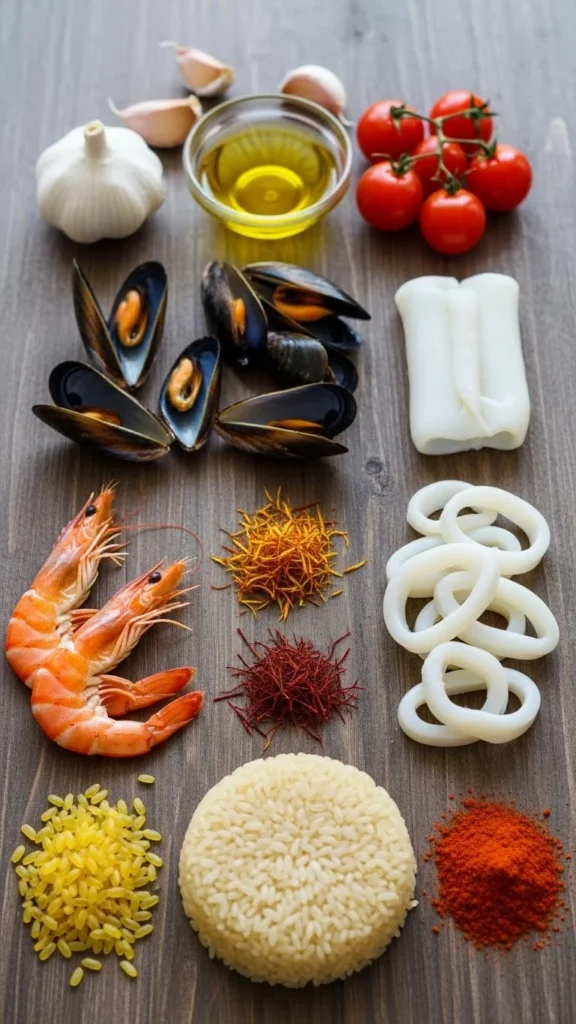
Good ingredients make all the difference.
Essential ingredients:
- Bomba or short-grain rice
- Olive oil
- Garlic
- Onion
- Crushed tomatoes
- Smoked paprika
- Saffron threads
- Seafood stock
Seafood options:
- Shrimp or prawns
- Mussels or clams
- Squid or calamari
- Optional: scallops or firm white fish
Avoid long-grain rice. It won’t absorb liquid properly and won’t give you the right texture.
The Best Pan (And Why It Matters)
A paella pan is wide and shallow, allowing the rice to cook evenly.
If you don’t have one:
- Use the widest skillet you own
- Avoid deep pots
- Make sure heat spreads evenly
More surface area means better evaporation and more flavor.
Building the Flavor Base
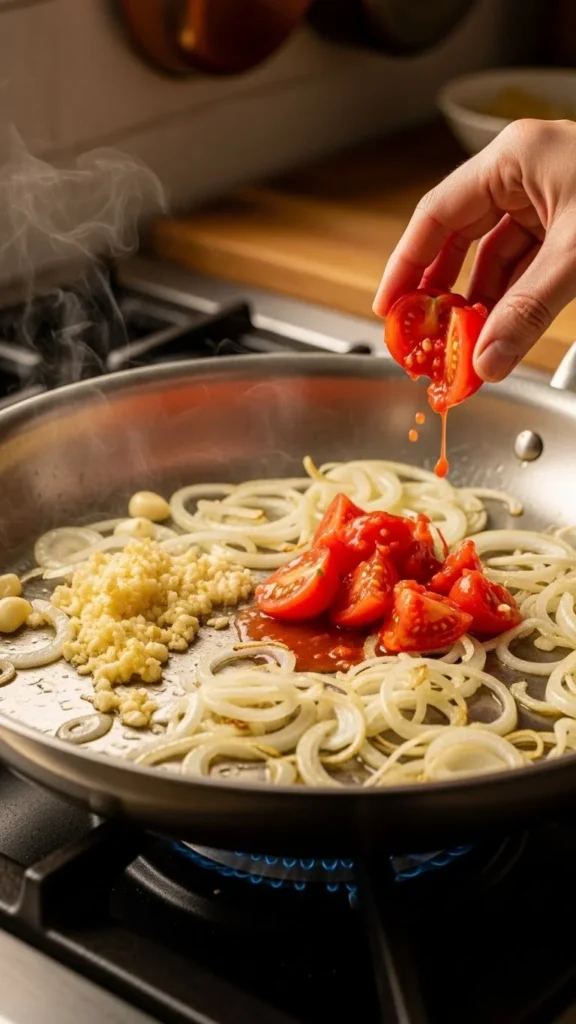
This step creates the heart of the dish.
Start by:
- Heating olive oil over medium heat
- Sautéing onion until soft
- Adding garlic briefly
- Stirring in crushed tomatoes
Cook until the mixture thickens and darkens slightly. This concentrates flavor and prevents watery rice later.
Add:
- Smoked paprika
- Saffron (crushed between fingers)
- A pinch of salt
Stir gently and briefly so spices bloom without burning.
Adding Rice and Broth the Right Way
Once the base is ready, stir in the rice so it’s fully coated in oil and tomato mixture.
Important rules:
- Spread rice evenly across the pan
- Add warm seafood stock
- Do not stir once the broth is added
Use about 3 cups broth for every 1 cup of rice.
Bring to a gentle boil, then reduce to a steady simmer. The rice should cook evenly without being disturbed.
When and How to Add Seafood
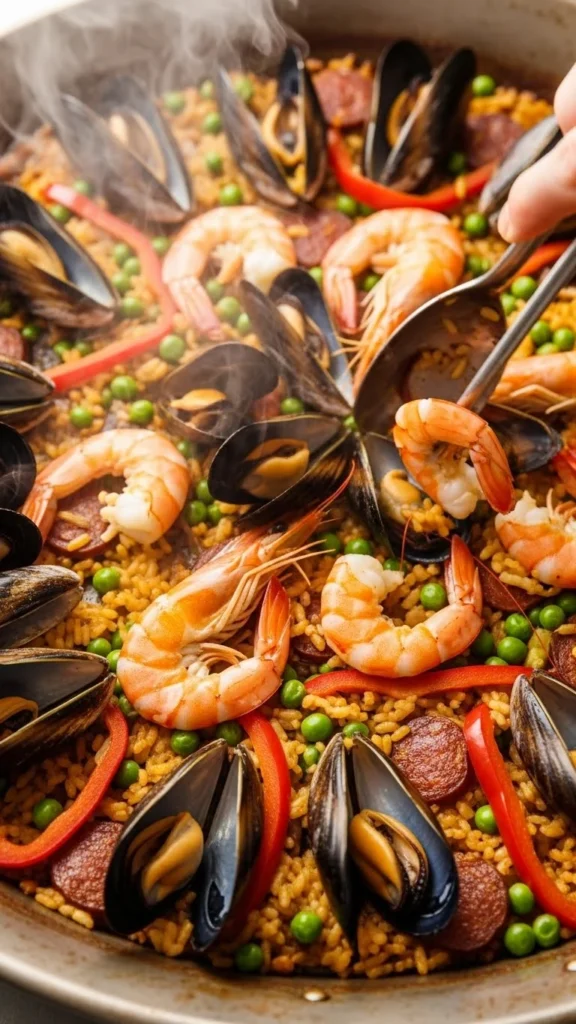
Seafood cooks quickly, so timing matters.
Add seafood:
- About 10 minutes before the rice is done
- Press gently into the rice
- Do not stir
Start with:
- Squid (takes longer)
- Then shrimp and mussels
As mussels open and shrimp turn pink, the paella begins to look finished.
Discard any mussels that don’t open.
Creating the Perfect Socarrat
The final minutes are crucial.
To get that golden crust:
- Increase heat slightly during the last 2–3 minutes
- Listen for a faint crackling sound
- Watch closely to avoid burning
You want toasted, not blackened. If you smell burning, remove from heat immediately.
Resting and Serving the Paella
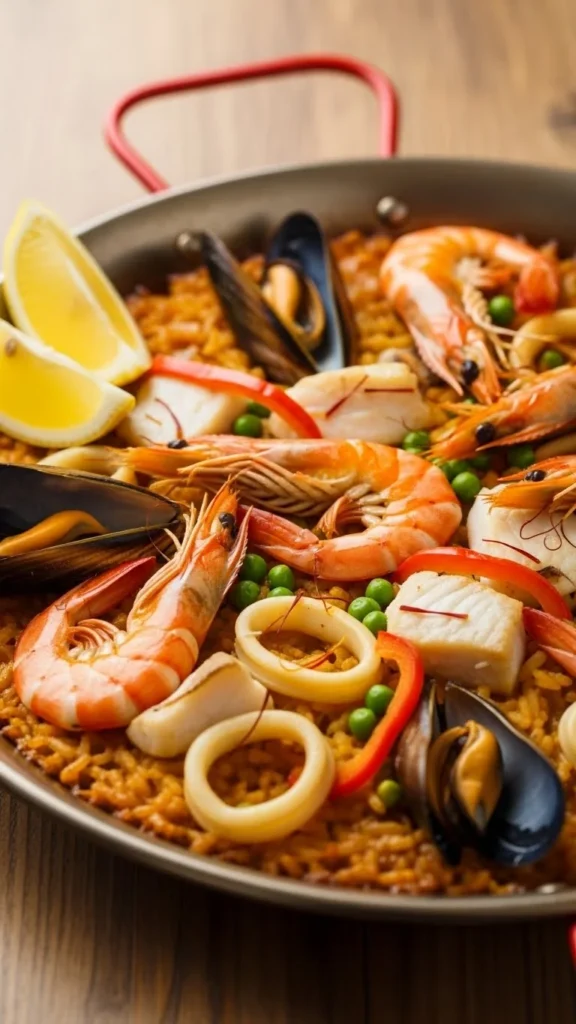
Once cooked:
- Remove from heat
- Cover loosely with foil
- Rest for 5 minutes
This allows flavors to settle and rice to finish absorbing liquid.
Serve straight from the pan with:
- Lemon wedges
- Fresh parsley
- Crusty bread
Paella is meant to be shared, casual, and enjoyed slowly.
Common Paella Mistakes to Avoid
Keep these in mind:
- Stirring the rice after adding broth
- Using the wrong rice
- Overloading with seafood
- Cooking on heat that’s too high
- Skipping the resting step
Simple adjustments make a huge difference.
Final Takeaway
Cooking Spanish seafood paella at home doesn’t require perfection—it requires confidence and patience. When you let the rice cook undisturbed and build flavor layer by layer, the results are deeply satisfying.
This is the kind of dish that brings people together and turns an ordinary meal into a celebration.
Save this recipe for later, gather your favorite seafood, and enjoy the experience of making paella the traditional way. 🥘✨

Leave a Reply