

How to Make Hollandaise Sauce Without Breaking
Hollandaise sauce has a reputation for being fussy. It’s rich, silky, and luxurious—but one wrong move and it can split, scramble, or turn grainy. That’s enough to make many home cooks avoid it altogether. The truth is, hollandaise isn’t hard, it just needs a calm approach and a little attention to temperature.
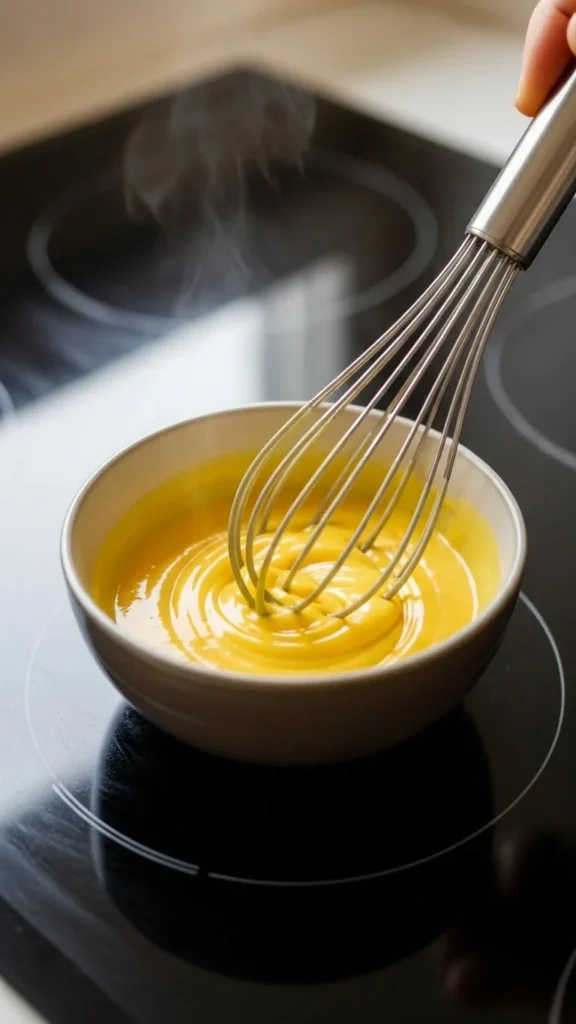
Once you understand why hollandaise breaks and how to prevent it, you’ll be able to make it confidently for brunch, breakfast, or special dinners—no stress required.
What Causes Hollandaise to Break?
Before jumping into the method, it helps to know what can go wrong.
Hollandaise breaks when:
- The heat is too high
- Butter is added too quickly
- Egg yolks overcook
- The sauce cools too much or overheats suddenly
Hollandaise is an emulsion, meaning fat and liquid are held together by egg yolks. Gentle heat and patience are what keep it smooth.
Ingredients That Matter Most
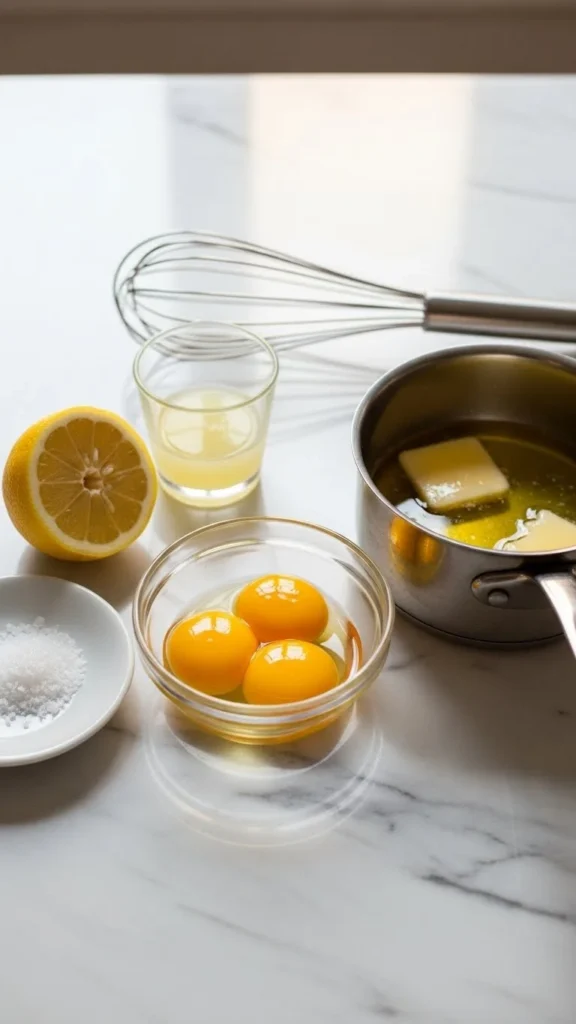
Classic hollandaise uses just a few ingredients, so quality matters.
You’ll need:
- Egg yolks (fresh, room temperature)
- Unsalted butter
- Lemon juice
- Salt
- A pinch of cayenne or white pepper (optional)
Why these matter:
- Fresh yolks emulsify better
- Unsalted butter gives you flavor control
- Lemon juice balances richness and stabilizes the sauce
Keep everything measured and ready before you start.
The Gentle Heat Method (Double Boiler)
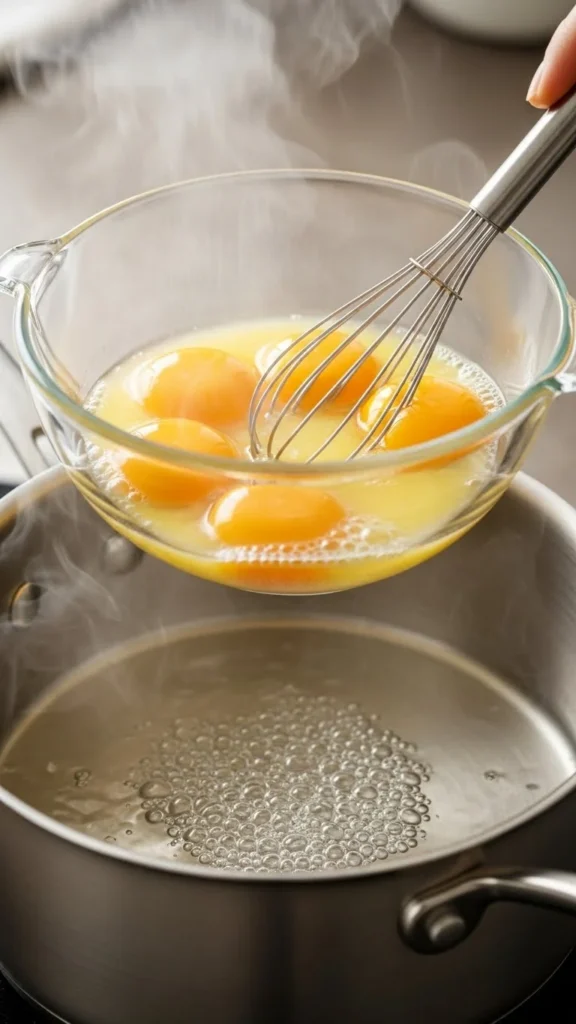
This classic method gives you the most control.
Steps:
- Fill a saucepan with a few inches of water and bring to a gentle simmer.
- Place a heatproof bowl on top, making sure it doesn’t touch the water.
- Add egg yolks and a splash of lemon juice.
- Whisk constantly until slightly thickened and pale.
Key tip:
- The heat should be warm, not hot. If the bowl feels too hot to touch, remove it briefly.
This slow start prevents scrambled eggs and sets the foundation for a stable sauce.
Adding Butter Without Breaking the Sauce
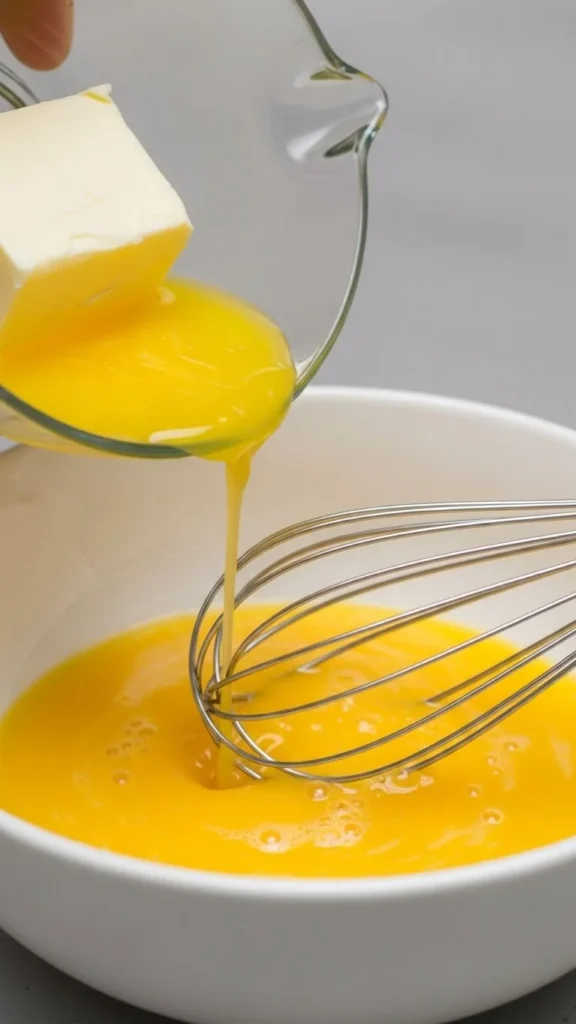
Butter is where most sauces fail.
How to do it right:
- Melt butter and let it cool slightly
- Add it very slowly, a few drops at first
- Whisk constantly
- Increase to a thin stream once the sauce thickens
The sauce should:
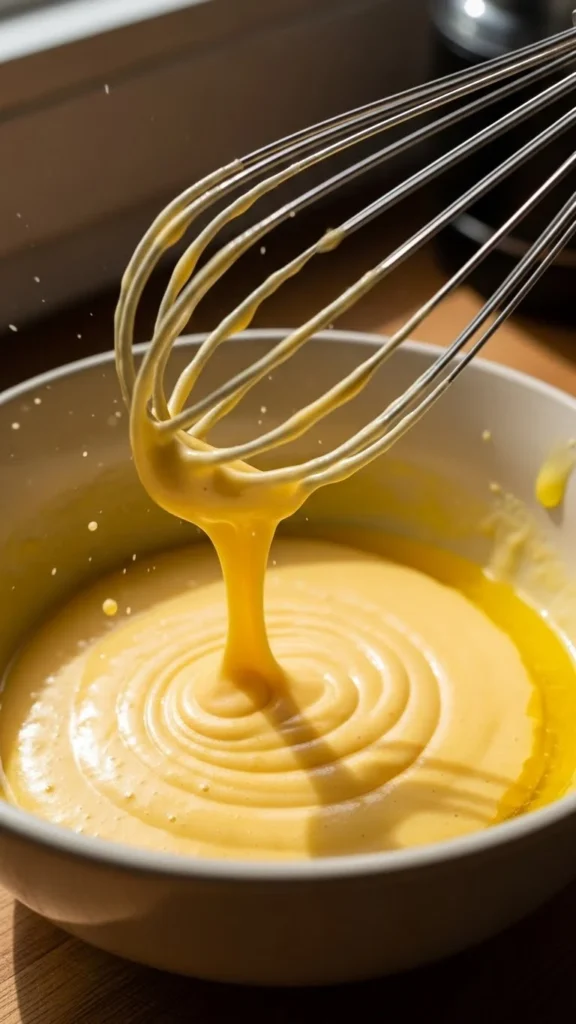
- Look glossy
- Coat the back of a spoon
- Feel smooth, not greasy
If you rush this step, the emulsion won’t hold.
Controlling Temperature Like a Pro
Temperature control keeps hollandaise intact.
Remember:
- Too hot = scrambled yolks
- Too cool = sauce thickens or separates
Helpful tricks:
- Remove the bowl from heat occasionally
- Keep the sauce warm over barely warm water
- Avoid reheating directly on the stove
If it thickens too much, whisk in a teaspoon of warm water to loosen it.
How to Fix a Broken Hollandaise
Don’t panic—broken hollandaise is often fixable.
Try this:
- Whisk a teaspoon of warm water in a clean bowl
- Slowly whisk the broken sauce into it
Or:
- Start with a fresh egg yolk
- Slowly whisk the broken sauce into the yolk
These methods reintroduce structure and bring the sauce back together.
Blender Hollandaise (A Foolproof Option)
If stovetop hollandaise feels intimidating, the blender method is a great alternative.
How it works:
- Blend egg yolks and lemon juice
- Slowly pour in hot melted butter
- Let the blender do the emulsifying
Why people love it:
- Fast
- Consistent
- Less hands-on heat control
Just make sure the butter is hot enough to gently cook the yolks as it blends.
Best Ways to Serve Hollandaise
Hollandaise shines when paired simply.
Classic uses:
- Eggs Benedict
- Steamed asparagus
- Roasted potatoes
- Poached fish or salmon
Serve it warm, not hot. If it sits too long, give it a quick whisk before serving.
Common Hollandaise Mistakes to Avoid
Watch out for these:
- Cooking over direct high heat
- Pouring butter too fast
- Letting the sauce sit unattended
- Reheating aggressively
Slow and steady always wins with hollandaise.
Final Takeaway
Making hollandaise sauce without breaking isn’t about luck—it’s about gentle heat, steady whisking, and patience. Once you understand how the emulsion works, the sauce becomes far less intimidating and much more rewarding.
With these tips, you can make a silky, restaurant-quality hollandaise whenever you want—confidently and consistently.
Save this recipe for later and enjoy mastering one of the most classic sauces in the kitchen. 🍳✨

Leave a Reply