

How to Cook Dumplings That Stay Tender
There’s nothing more disappointing than biting into a dumpling that’s tough, chewy, or falling apart. When dumplings are done right, they should be soft, tender, and comforting, whether they’re floating in soup, pan-fried, or steamed. The good news? Tender dumplings aren’t about fancy ingredients. They’re about simple techniques and timing.
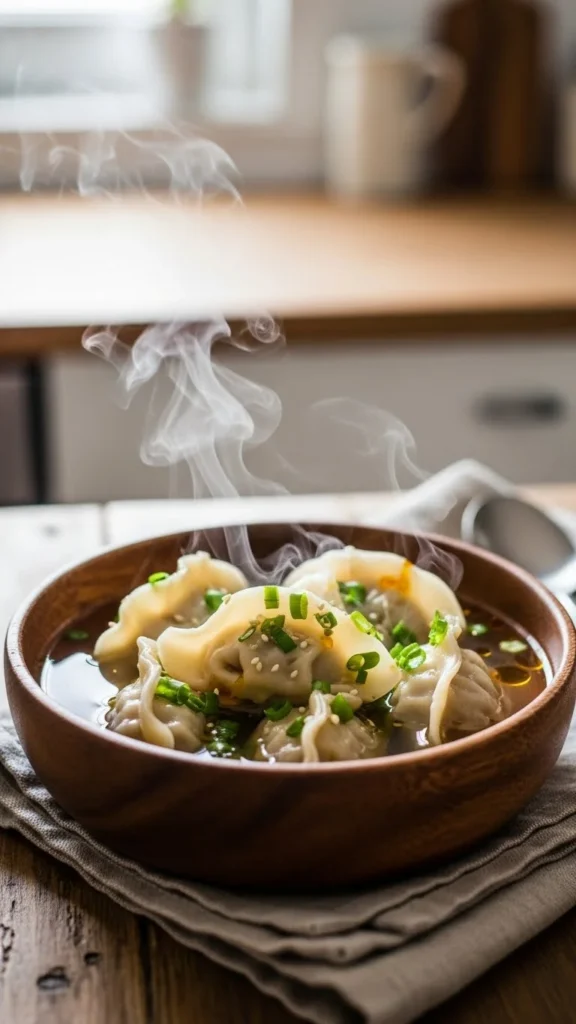
This guide breaks everything down in an easy, no-stress way so your dumplings turn out tender every single time.
What Makes Dumplings Turn Tough?
Before fixing the problem, it helps to understand it.
Dumplings become tough when:
- The dough is overmixed
- Too much flour is added
- The cooking liquid boils too aggressively
- Dumplings are overcrowded
Dumpling dough needs gentle handling. Just like biscuits or pancakes, overworking it activates too much gluten, which leads to chewiness instead of tenderness.
Choosing the Right Ingredients
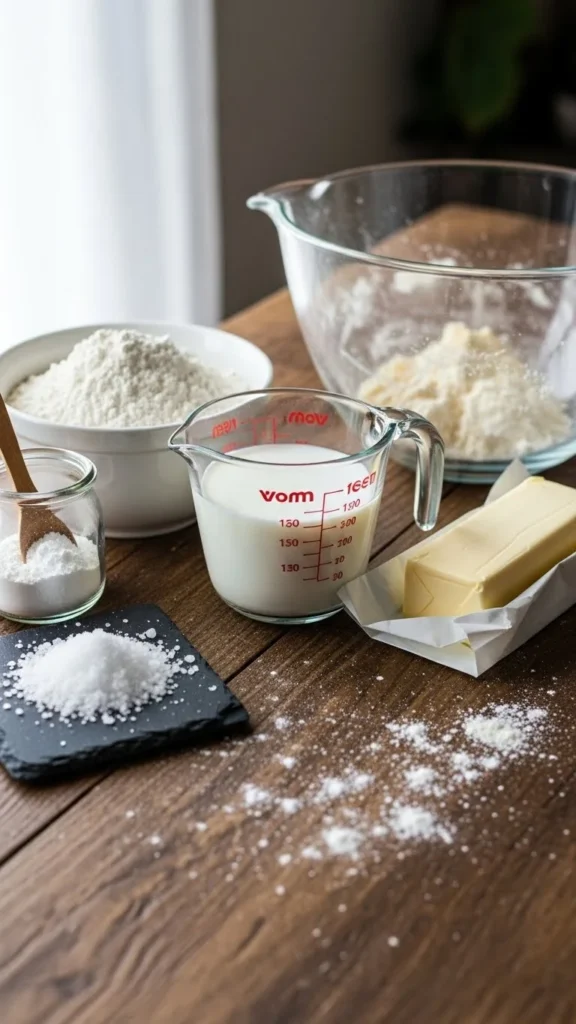
Simple ingredients work best.
Basic dumpling dough includes:
- All-purpose flour
- Baking powder
- Salt
- Milk or water
- Butter or oil (optional, but helpful)
Why these matter:
- Baking powder adds lightness
- Milk makes the dough softer than water
- Fat helps prevent dryness
Measure carefully. Too much flour is one of the biggest causes of dense dumplings.
How to Mix Dumpling Dough Properly
This step sets the tone for the final texture.
In a bowl:
- Whisk together flour, baking powder, and salt.
- Add milk slowly.
- Stir just until combined.
The dough should look:
- Soft
- Slightly sticky
- A bit shaggy
Stop mixing as soon as there are no dry spots. Lumps are okay. Overmixing is not.
Shaping Dumplings Without Compressing Them
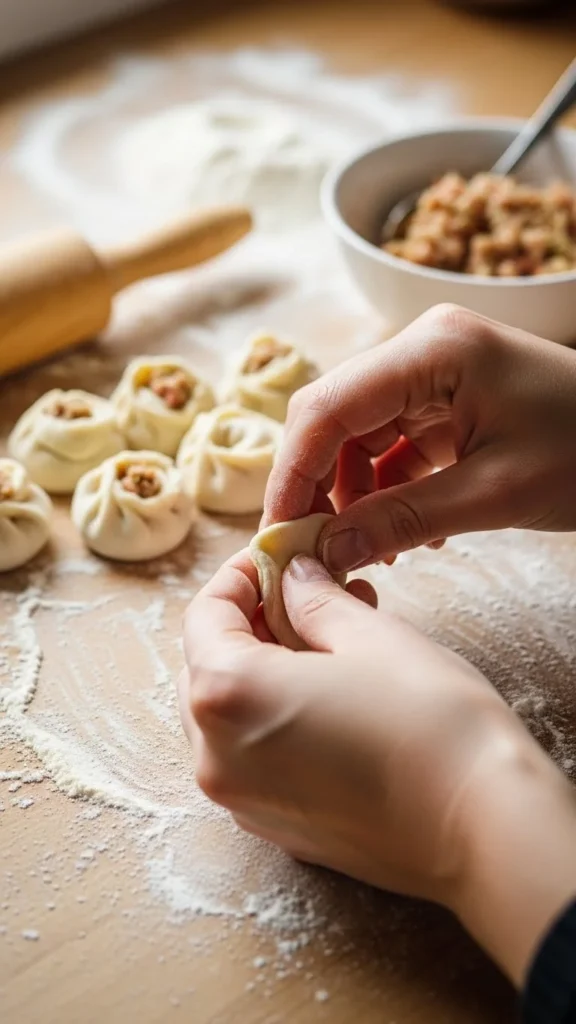
Handle the dough with care.
Best shaping tips:
- Use a spoon or small scoop
- Drop dough gently instead of rolling tightly
- Avoid pressing or kneading
If rolling is required, roll lightly and cut into pieces without pushing down hard. Think light and loose, not firm and tight.
Cooking Dumplings the Gentle Way
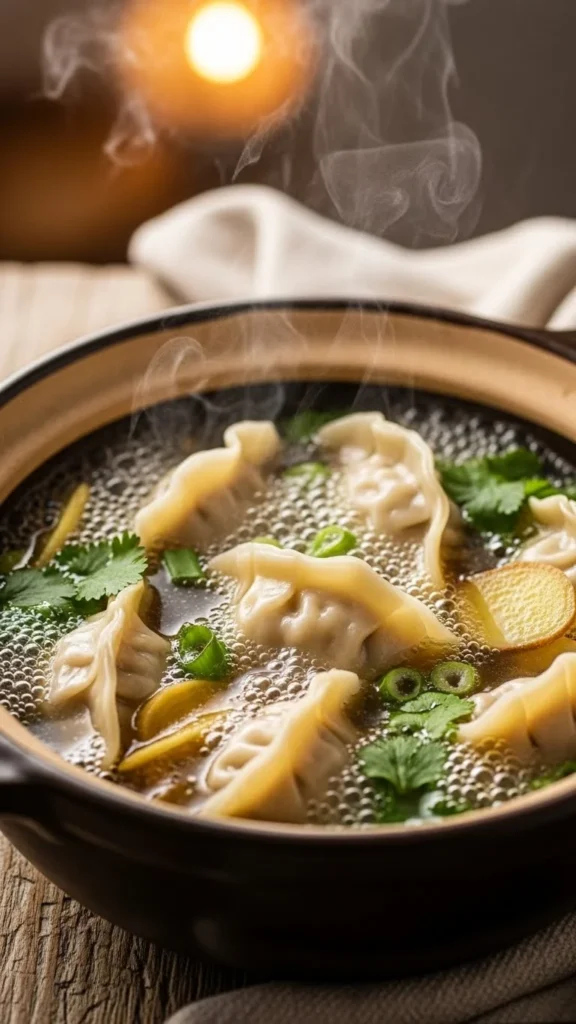
This is where tenderness is often lost.
Key cooking rules:
- Use a gentle simmer, not a rolling boil
- Keep the pot partially covered
- Avoid stirring too much
Boiling too hard causes dumplings to break apart or toughen on the outside before the inside cooks.
Cooking time usually ranges from 10–15 minutes, depending on size.
How to Tell When Dumplings Are Done
Perfect dumplings are cooked through but still soft.
Signs they’re ready:
- They float and look puffed
- A toothpick inserted comes out clean
- The surface looks matte, not shiny
If unsure, cut one open. The inside should be fluffy, not doughy or wet.
Steamed and Pan-Fried Dumplings Tips
Different methods need small adjustments.
For steamed dumplings:
- Line the steamer to prevent sticking
- Leave space for expansion
- Steam gently, not aggressively
For pan-fried dumplings:
- Use medium heat
- Add water and cover to steam
- Finish uncovered for light browning
In both methods, rushing with high heat leads to toughness.
Common Dumpling Mistakes to Avoid
Quick checklist:
- Overmixing the dough
- Adding too much flour
- Cooking at a hard boil
- Overcrowding the pot
- Cooking too long “just to be safe”
Dumplings cook quickly. Overcooking dries them out.
Simple Ways to Add Flavor Without Toughness
Tender doesn’t mean bland.
Try:
- Adding herbs to the dough
- Using broth instead of water
- Brushing with melted butter after cooking
- Serving with light sauces instead of thick gravies
These boost flavor while keeping texture soft.
Final Takeaway
Tender dumplings come down to gentle mixing, soft dough, and calm cooking. When you slow down and let the dumplings cook at their own pace, the results are comforting and satisfying every time.
Once you master these basics, you can adapt them to soups, stews, or steamed dishes without fear of toughness.
Save this recipe for later, and enjoy dumplings that stay soft, fluffy, and perfect from the first bite to the last. 🥟✨

Leave a Reply