

There’s nothing worse than craving a bowl of noodles and ending up with a clumpy, gluey mess. Whether you’re making spaghetti, ramen, or stir-fry noodles, keeping them smooth and separate isn’t hard — you just need to know a few tricks.
Here’s how to cook noodles that stay silky, springy, and perfectly coated in sauce every time.
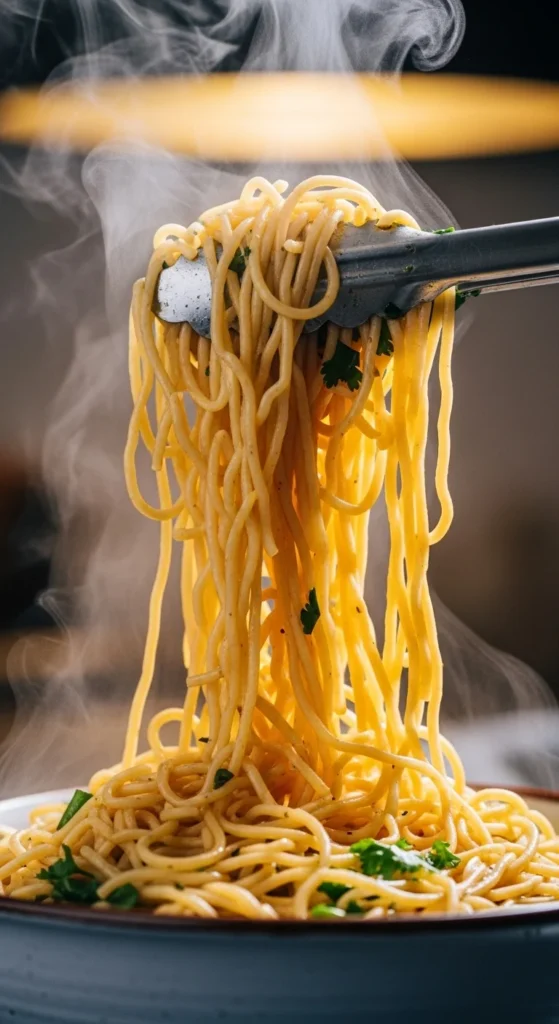
Why Noodles Stick Together
When noodles cook, they release starch. If they sit too long or cool unevenly, that starch dries and turns them gummy. The key is managing timing, water temperature, and movement — simple habits that make a big difference.
Step 1: Use Plenty of Water
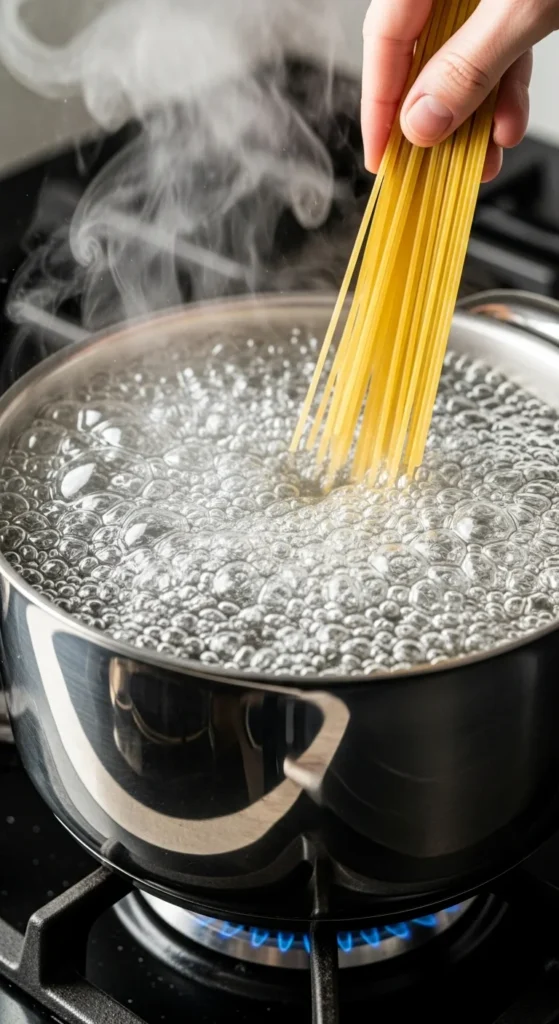
Start with a large pot and plenty of boiling water — about 4 to 6 quarts per pound of noodles.
This helps dilute the starch and gives noodles enough space to move freely. A crowded pot means clumps!
👉 Tip: The water should be at a rolling boil before you add your noodles.
Step 2: Salt the Water Generously
Add 1–2 tablespoons of salt per gallon of water before the noodles go in. This not only adds flavor but also slightly raises the boiling point, helping noodles cook more evenly.
Don’t add oil to the pot — that can make the noodles too slippery to hold sauce later.
Step 3: Stir Right Away (and Often)
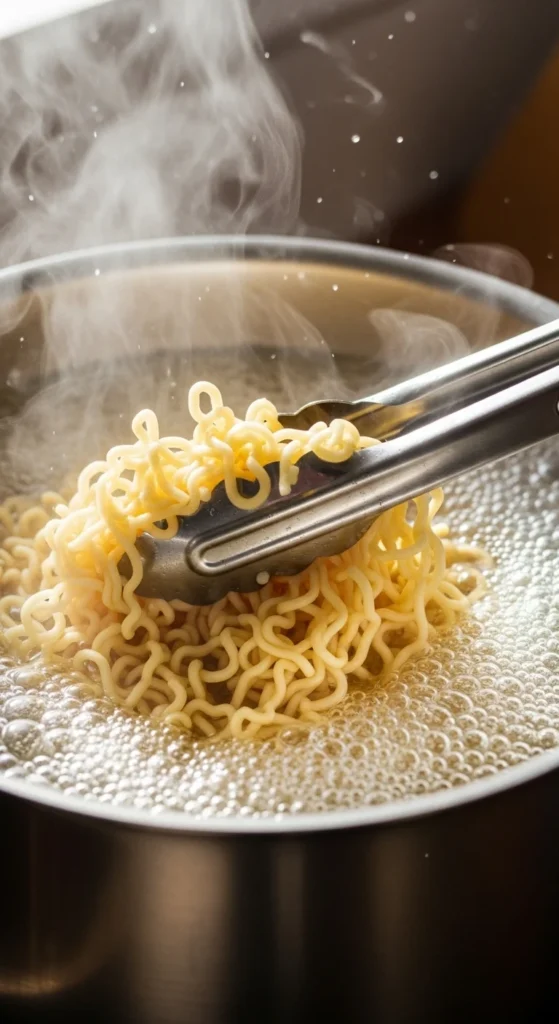
As soon as you drop the noodles into the pot, stir immediately with a wooden spoon or tongs. This prevents the initial clumping caused by starch.
Keep stirring every minute or so while cooking — especially during the first few minutes.
Step 4: Cook to Just Al Dente
Follow the cooking time on the package, but taste a noodle a minute before it’s done. You’re aiming for “al dente” — tender with a little bite in the center.
Overcooked noodles release more starch and become sticky as they cool.
Step 5: Drain — But Don’t Let Them Sit
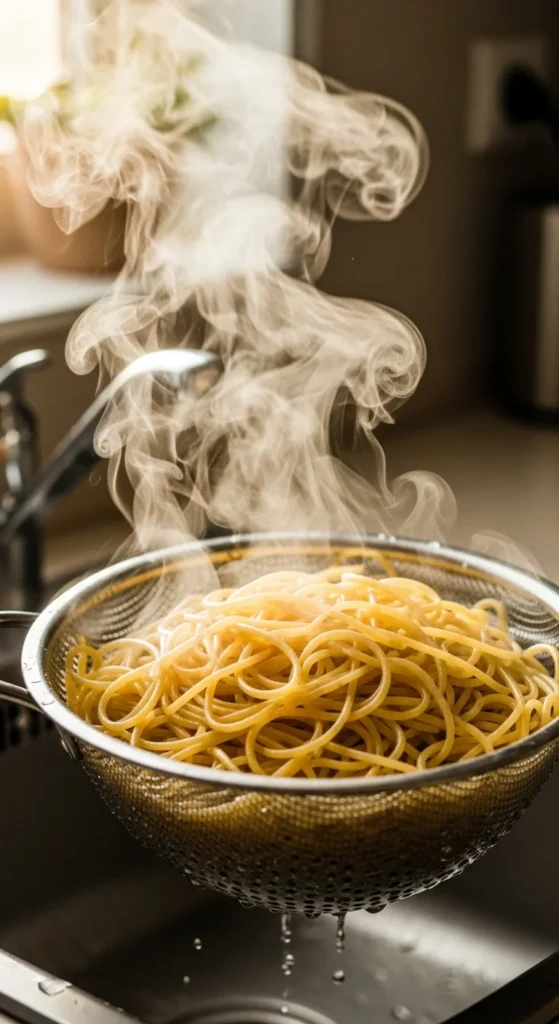
Once cooked, drain the noodles immediately in a colander. Don’t let them sit in the colander too long, or they’ll clump as they steam-dry.
If you’re serving right away with a hot sauce (like marinara or Alfredo), skip rinsing — the starch helps sauce stick beautifully.
Step 6: Rinse for Cold or Stir-Fry Dishes
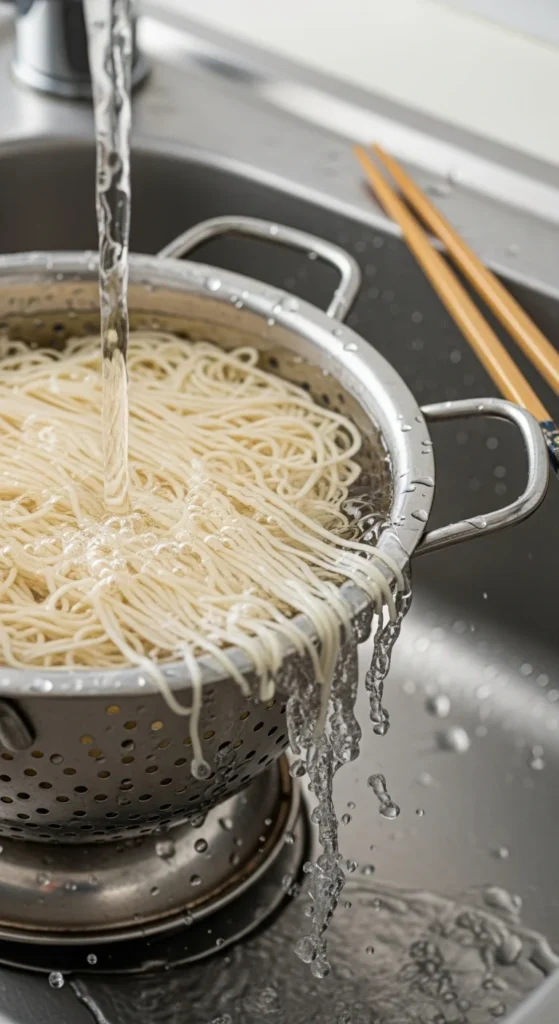
If you’re using the noodles for cold salads or stir-fries, rinse them under cold water right after draining.
This stops the cooking process and washes away extra starch. Toss lightly with a drizzle of oil to prevent sticking as they cool.
Use this method for:
- Soba or ramen noodle bowls
- Pasta salads
- Asian stir-fries
Step 7: Toss with Sauce or Oil Immediately
If you’re not serving the noodles right away, toss them with a bit of olive oil, sesame oil, or sauce to keep them separated.
For Italian-style pasta:
- Use olive oil or a light butter coating.
For Asian noodles: - Try toasted sesame oil for flavor and shine.
Step 8: Timing Is Everything
One of the most common reasons noodles stick? Waiting too long between draining and saucing.
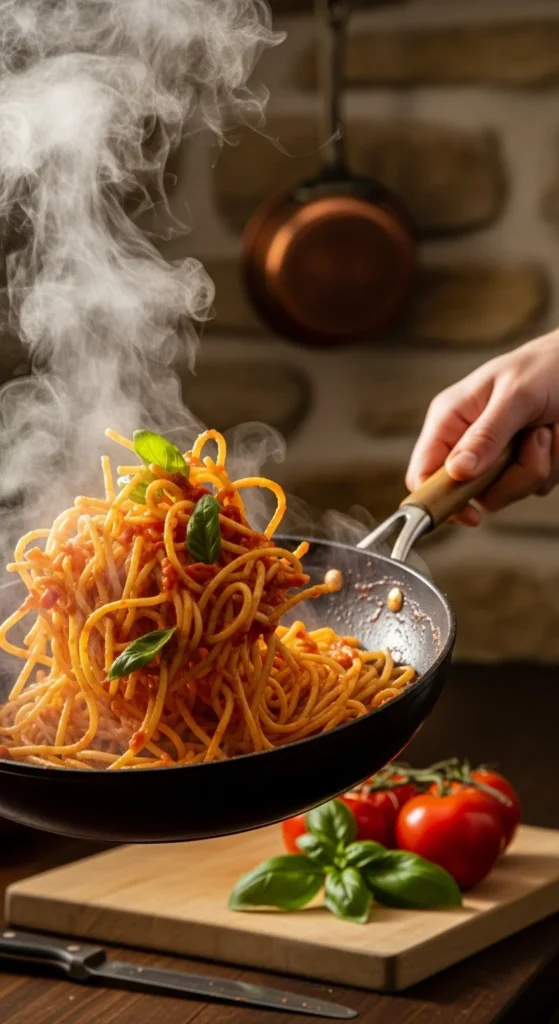
Try to have your sauce or stir-fry ready before the noodles finish cooking, so you can combine them immediately. The residual heat helps the sauce coat every strand evenly.
Bonus: Reheating Noodles Without Clumping
If you’re reheating leftover noodles:
- For pasta: Toss with a splash of hot water or sauce and microwave covered for 30–60 seconds.
- For stir-fry noodles: Heat a little oil in a skillet, then stir-fry gently until warm.
Avoid microwaving dry noodles — moisture helps keep them soft and smooth.
Quick Tips Recap
✅ Use plenty of boiling water.
✅ Salt the water — but skip the oil.
✅ Stir often in the first few minutes.
✅ Drain right away, don’t let noodles sit.
✅ Rinse only if serving cold or stir-fried.
✅ Toss with oil or sauce immediately.
Final Thoughts
Perfect noodles don’t happen by luck — they come from small, simple habits that make all the difference. Once you try these tricks, you’ll never end up with sticky spaghetti or gummy ramen again.
So grab your favorite noodles, get that pot boiling, and make every batch smooth, springy, and ready for sauce perfection. 🍜
✨ Save this guide for later — your future pasta self will thank you!

Leave a Reply