

There’s nothing quite like the aroma of a buttery pound cake baking in the oven. Golden edges, a tender crumb, and that rich, melt-in-your-mouth flavor — it’s the kind of simple dessert that never goes out of style. Whether you serve it plain, topped with berries, or dusted with sugar, a perfect pound cake always feels special.
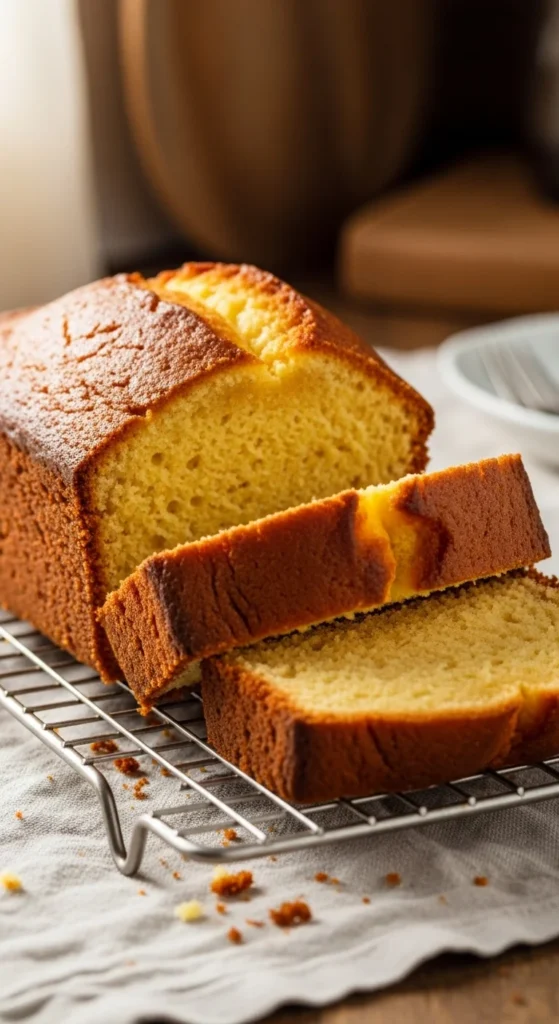
In this guide, you’ll learn how to bake a pound cake that’s perfectly dense, rich, and full of buttery flavor — no dry or crumbly texture here!
The Secret to Pound Cake Perfection
Traditional pound cake got its name from its simple formula: a pound each of butter, sugar, eggs, and flour. Today, we tweak it a bit for texture and flavor, but the balance remains the same — equal parts richness and structure.
To get that signature dense crumb (without heaviness), you’ll want to:
- Cream the butter and sugar long enough to trap air.
- Measure your ingredients carefully.
- Bake it slowly and evenly.
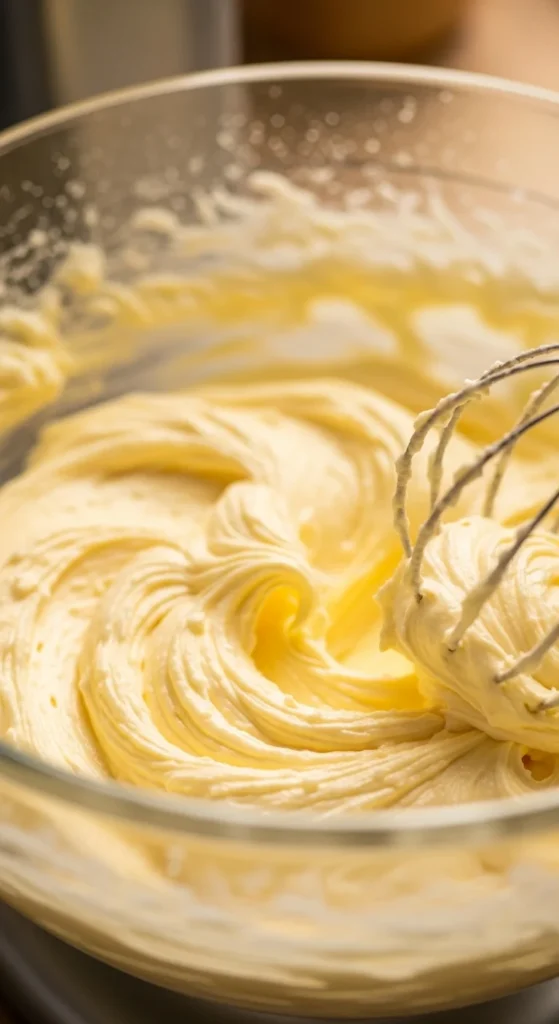
Ingredients You’ll Need
A great pound cake doesn’t rely on fancy ingredients — just quality ones.
- 1 cup (2 sticks) unsalted butter, softened
- 1 ½ cups granulated sugar
- 4 large eggs, room temperature
- 2 cups all-purpose flour
- ½ teaspoon baking powder
- ¼ teaspoon salt
- ½ cup whole milk (or heavy cream for extra richness)
- 1 teaspoon pure vanilla extract
Optional Add-Ins
- Zest of 1 lemon for brightness
- ½ teaspoon almond extract for a nutty twist
- A swirl of chocolate or fruit puree for a marbled effect
Step 1: Cream the Butter and Sugar
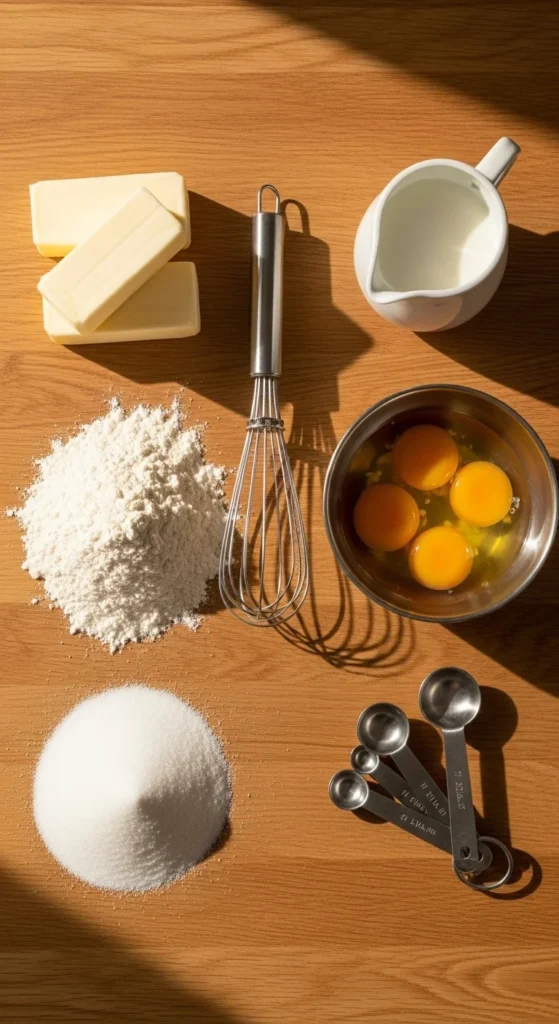
This step is where the magic begins. Creaming the butter and sugar properly ensures your pound cake has structure and a fine crumb.
- In a large mixing bowl, beat softened butter and sugar together with an electric mixer on medium speed for 3–5 minutes, until pale and fluffy.
- Scrape down the sides occasionally so everything mixes evenly.
💡 Pro Tip: You’ll know it’s ready when the mixture looks light and airy — it should hold soft peaks when lifted with a spoon.
Step 2: Add the Eggs Slowly
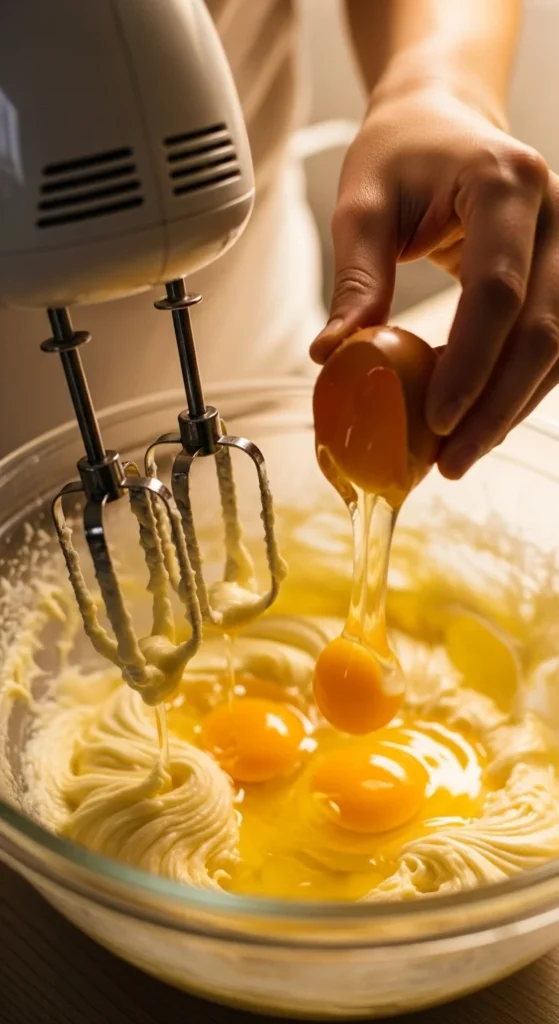
Crack in one egg at a time, beating well after each addition. This step helps emulsify the batter and prevents curdling.
If the mixture starts to look separated, add a tablespoon of flour to bring it back together.
Step 3: Mix the Dry and Wet Ingredients
In a separate bowl, whisk together the flour, baking powder, and salt.
Then alternate adding the dry ingredients and milk into the butter mixture, beginning and ending with flour:
- Add ⅓ of the flour mixture and mix gently.
- Pour in half the milk, stir until combined.
- Repeat, finishing with the last portion of flour.
Avoid overmixing — that’s what keeps the texture tender instead of tough. Finally, stir in vanilla extract (and lemon zest or almond extract if using).
Step 4: Bake It Low and Slow
Preheat your oven to 325°F (160°C). Grease and flour a loaf pan (or line with parchment for easy release).
Pour the batter into the pan and smooth the top with a spatula. Tap it lightly on the counter to remove air bubbles.
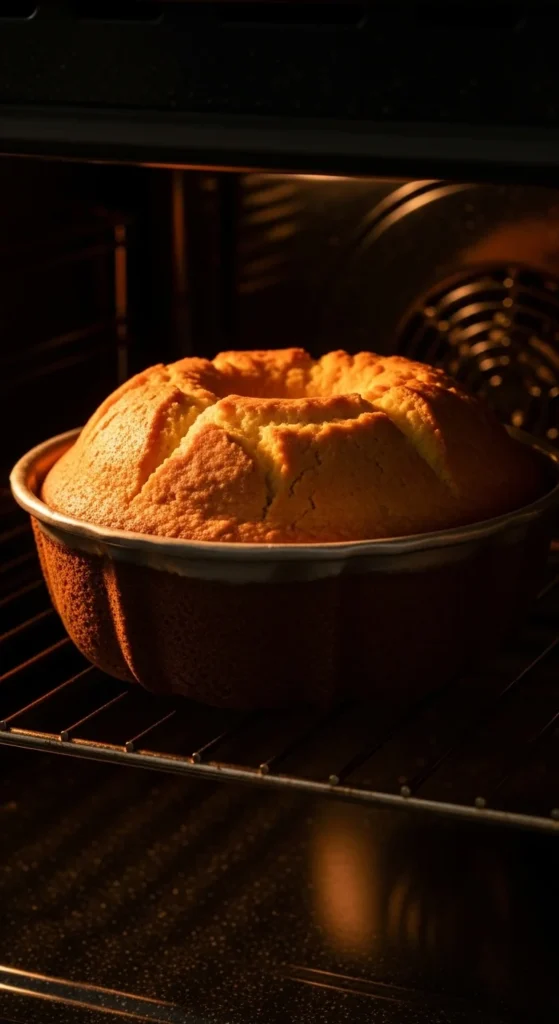
Bake for 60–70 minutes, until the top is golden and a toothpick inserted in the center comes out clean.
💡 Tip: If the top browns too quickly, cover it loosely with foil during the last 15 minutes.
Step 5: Cool and Release
Once baked, remove the pan from the oven and let it cool on a wire rack for 10 minutes.
Then carefully turn the cake out of the pan and let it cool completely before slicing. This resting time lets the crumb set and the flavors deepen.
How to Serve It
Pound cake is a blank canvas for endless serving ideas. Here are a few easy ways to enjoy it:
- Classic: A dusting of powdered sugar or a drizzle of honey.
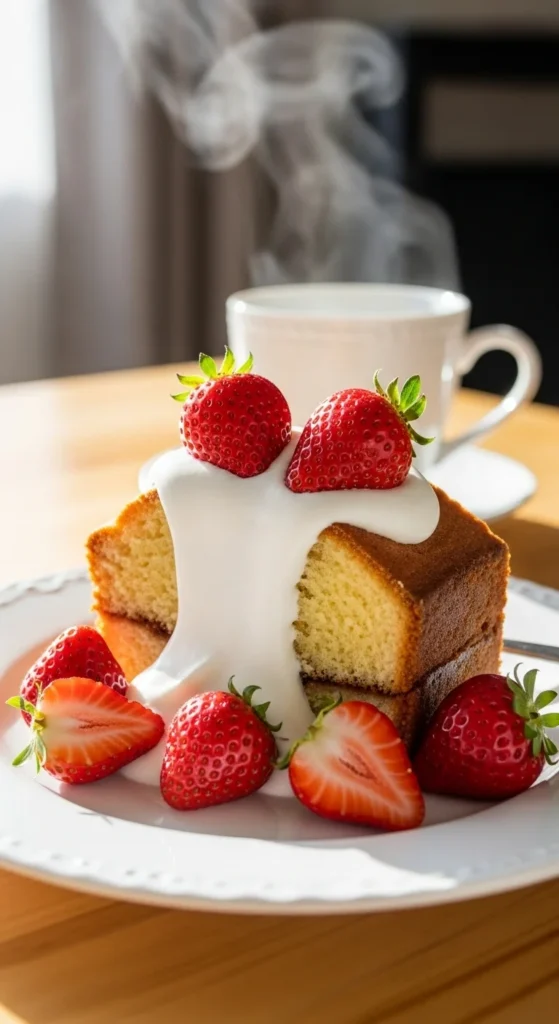
- Summery: Top with whipped cream and fresh berries.
- Cozy: Serve warm with a scoop of vanilla ice cream and caramel sauce.
- Elegant: Glaze with lemon icing for a zesty twist.
Storage Tips
- Room temperature: Wrap tightly in plastic or store in an airtight container for up to 4 days.
- Fridge: Keeps for up to a week (bring to room temp before serving).
- Freezer: Slice and freeze for up to 3 months; thaw at room temperature.
💡 Quick Fix for Dry Cake: Brush slices with a little simple syrup or warm milk before serving — it brings back moisture beautifully.
Why Homemade Pound Cake Is Worth It
There’s something incredibly comforting about baking a pound cake from scratch. No shortcuts, no mixes — just butter, sugar, eggs, and care. It’s a timeless recipe that feels both humble and luxurious.
Whether you’re baking for a family gathering, gifting a homemade treat, or enjoying a quiet afternoon slice with tea, a buttery pound cake never disappoints.
So preheat your oven, grab that loaf pan, and bake a cake that tastes just as good as it smells.
Save this recipe for later — your future self (and sweet tooth) will thank you!

Leave a Reply