

Ever feel like your veggies always end up soggy, bland, or just… meh? You’re not alone. Many people think vegetables are boring—but the truth is, they can be absolutely crave-worthy when cooked the right way. With just a few simple techniques, you can turn everyday produce into colorful, flavorful dishes that even the pickiest eaters will love.
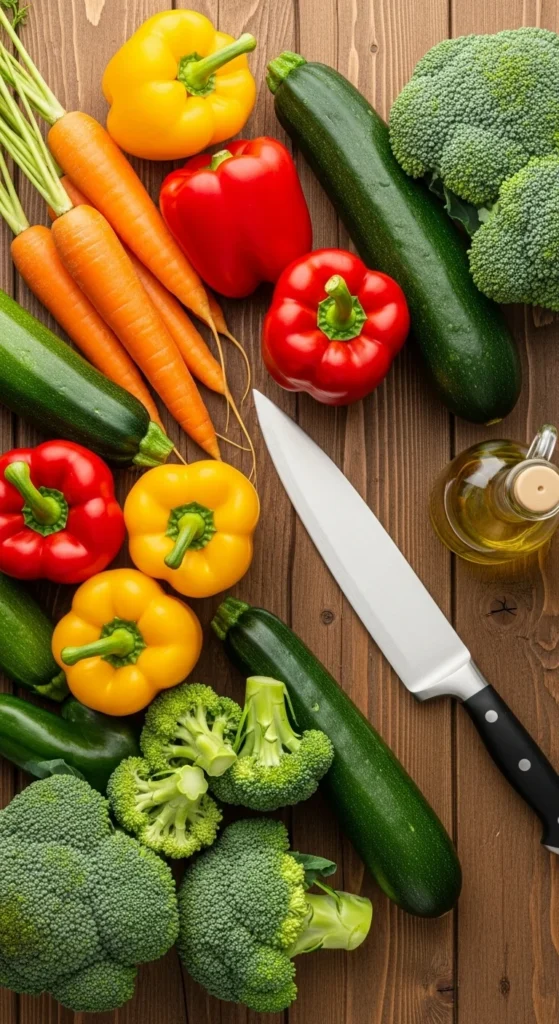
1. Start with Fresh, Seasonal Vegetables
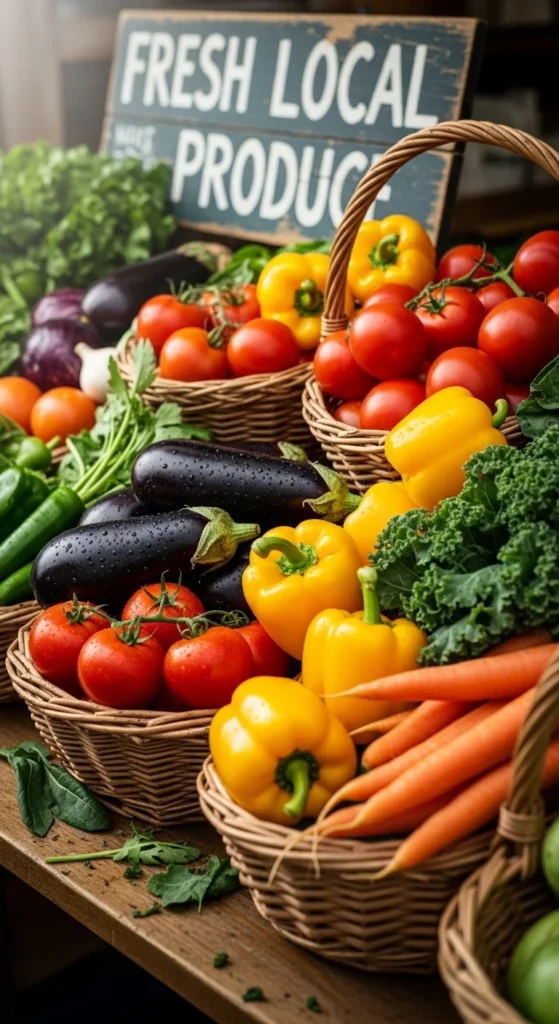
Freshness makes all the difference. Vegetables that are in season naturally have more flavor and better texture. When possible, shop at your local farmers’ market or buy from the freshest section in your grocery store.
Pro Tips:
- Spring: asparagus, peas, spinach, and radishes
- Summer: zucchini, corn, tomatoes, and bell peppers
- Fall: squash, sweet potatoes, and Brussels sprouts
- Winter: carrots, cabbage, and cauliflower
If you’ve ever wondered why restaurant vegetables taste better, it’s often because they start with the best-quality produce.
2. Don’t Skip the Prep
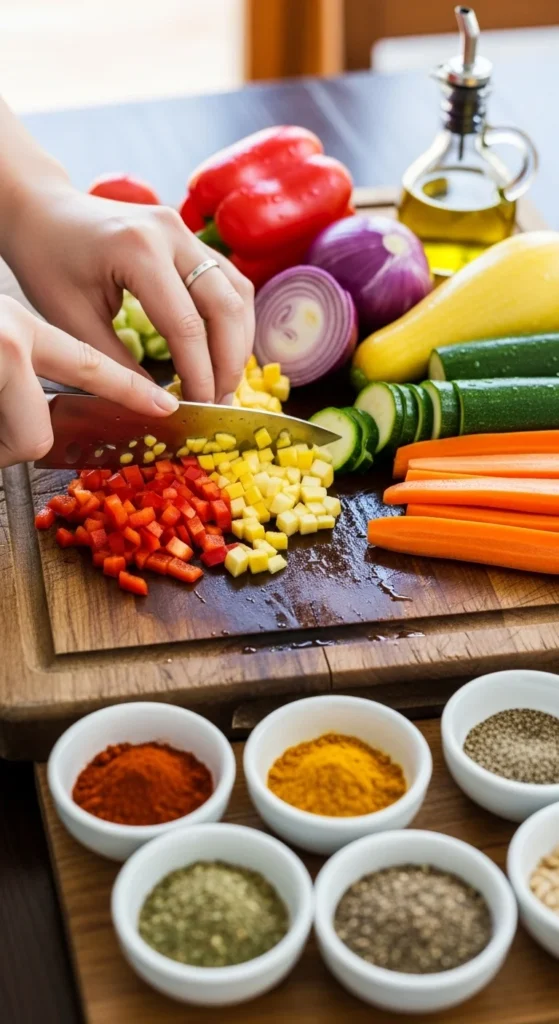
The way you cut your vegetables affects how they cook. Smaller pieces cook faster and can caramelize beautifully, while larger chunks stay juicy inside.
Here’s a simple guide:
- Roasting: Cut vegetables into evenly sized chunks so they cook at the same rate.
- Sautéing: Slice thin for quick cooking.
- Steaming: Keep pieces slightly larger so they don’t get mushy.
Before cooking, pat veggies dry—especially if you’ve just washed them. Excess moisture causes steaming instead of browning, and that means less flavor.
3. Use the Right Cooking Method
Different vegetables shine with different methods. The secret is to match the cooking technique to the veggie type.
Roasting – Deep, Sweet Flavor
Toss your vegetables in olive oil, salt, and pepper. Spread them out on a baking sheet (don’t overcrowd!) and roast at 425°F (220°C) until they’re golden and slightly crisp.
- Great for: carrots, broccoli, cauliflower, sweet potatoes
- Optional: add garlic, rosemary, or a drizzle of balsamic glaze at the end
Sautéing – Quick and Bright
Heat a pan with a little oil until hot, then toss in your veggies. Cook just until tender-crisp—usually 5–8 minutes.
- Great for: zucchini, peppers, mushrooms, snap peas
- Optional: add soy sauce, lemon juice, or chili flakes for flavor
Steaming – Light and Healthy
Perfect for when you want to preserve color and nutrients. Steam until just tender, then finish with butter or a splash of sesame oil.
- Great for: green beans, asparagus, broccoli

4. Season Like a Pro
Salt alone can elevate a dish, but layering flavors takes your veggies to the next level.
Try These Flavor Boosters:
- Acid: A squeeze of lemon or a splash of vinegar brightens up flavors.
- Herbs: Fresh parsley, basil, or dill add freshness.
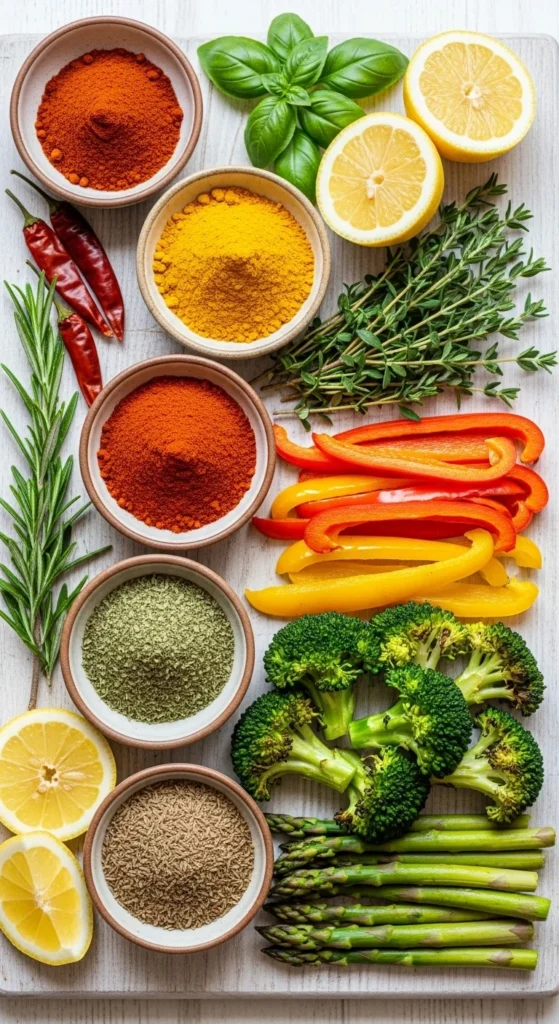
- Spices: Smoked paprika, cumin, and garlic powder add depth.
- Cheese: A sprinkle of Parmesan or feta gives richness.
Pro tip: Season before and after cooking for the best results.
5. Make Them the Star of the Plate
Vegetables don’t have to be a side dish—they can be the dish. Combine them creatively for satisfying meals:
- Toss roasted veggies with pasta and pesto.
- Layer grilled vegetables in a sandwich or wrap.
- Mix sautéed greens into scrambled eggs or grain bowls.
- Roast a rainbow of vegetables for a stunning dinner centerpiece.
Presentation matters, too. Vibrant colors and textures make your plate instantly more appetizing.
Final Takeaway
Cooking vegetables that taste delicious isn’t about fancy recipes—it’s about knowing how to bring out their natural flavors. Once you master a few simple techniques like roasting, sautéing, and seasoning properly, you’ll actually look forward to eating your veggies.
So grab a baking sheet, heat up that skillet, and start experimenting. You might just discover your new favorite dish.
Save this guide for later so you’ll always know how to make your vegetables taste amazing! 🥕✨

Leave a Reply